
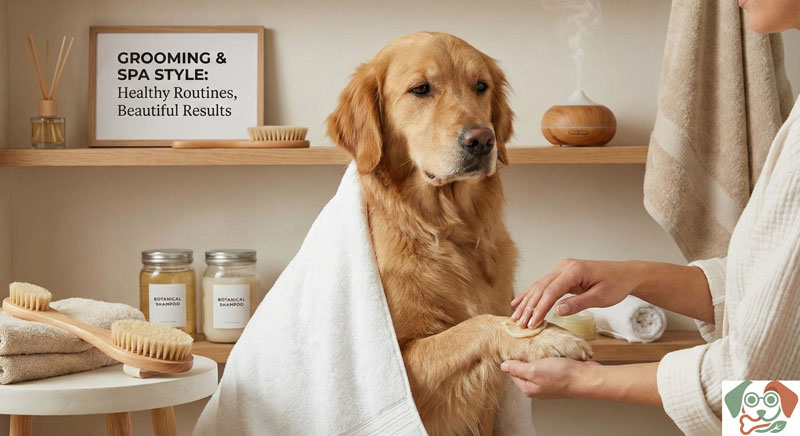
The 2024 spa day checklist: Reduce dull coat and boost a fluffier tail
Meta Description
Discover a practical 2024 spa day checklist to brighten dull coats and grow fluffier tails. Easy, beginner-friendly steps for apartment and suburban homes.
Quick Summary
- Start with a simple brushing routine to loosen dirt and distribute natural oils.
- Choose the right dog-friendly shampoo and condition, and bathe as needed for your dog’s coat type.
- Finish with a thorough dry and a light conditioning brush to boost shine.
- Support coat health through balanced nutrition and fresh water.
- Use humane, reward-based training to make grooming a calm, positive activity.
- Set up routines at home (apartment or suburban) and plan vet or pro help when needed.
Why This Matters for Your Dog
A healthy, shiny coat and a fluffy tail are signs of good skin health, proper nutrition, and comfortable grooming habits. Regular care reduces shedding mess, helps you spot skin changes early, and strengthens your bond with your dog. A calm spa-day routine can be a pleasant, predictable part of daily life for busy U.S. households—whether you live in an apartment with limited space or a suburban home with a yard.
Common Causes
- Coat type and shedding cycles (short-haired vs. long-haired breeds) require different brushing and bathing schedules.
- Dry skin from infrequent grooming, harsh shampoos, or environment (air conditioning, heat, or dry indoor air).
- Poor nutrition or dehydration that affects skin and hair quality.
- Allergies, parasites, or skin conditions that dull the coat or inflame the skin.
- Stress or fear of baths and handling, which can stall progress.
- Inadequate brushing and conditioning that leads to matting or dullness.
- Seasonal changes that increase shedding or alter oil production.
Step-by-Step What To Do
Step 1: Gather gear and set the scene
– For apartment living: pick a bathroom or laundry room with a non-slip mat, a handheld shower head, and a towel rack. Keep the space quiet and comfortable.
– For a suburban home: use a utility sink or tub, a stand-alone dryer or a fan, and a designated grooming area to minimize mess.
– Tools to have: a slicker brush, a bristle brush, a comb for their coat, dog-safe shampoo, conditioner (optional), towels, a nail clipper, and a grooming mat or table if you have one.
Step 2: Start with a gentle brush
– Before baths, brush your dog for 5–10 minutes to loosen dirt, reduce tangles, and distribute natural oils.
– Use a light touch around sensitive areas (face, ears, belly). If your dog loves it, finish with a quick, soothing brush over the tail to start a positive routine.
Step 3: Bathe with care (frequency by coat type)
– Use a dog-friendly shampoo suited to your dog’s coat. For short coats, a mild, pH-balanced shampoo works well; for long coats, you may want a conditioner as well.
– Wet the coat completely, lather gently, rinse thoroughly, and avoid getting soap in eyes and ears.
– If your dog is anxious about baths, do shorter baths more often, or try a water-free cleanser as a bridge step. Always end with a treat and praise.
Step 4: Condition and protect
– If your dog has a longer coat or is prone to tangles, apply a dog-safe conditioner and comb through while the coat is damp.
– Rinse well to avoid shampoo residue, which can irritate the skin and dull the coat.
Step 5: Dry and brush for shine
– Gently squeeze excess water with a towel; avoid rubbing hard to Prevent frizz.
– If you have a dryer, use a low heat or cool setting and keep the nozzle at a safe distance. A quick dry session helps reduce dampness that invites matting.
– Once dry, brush again to remove any remaining loose fur and to encourage feathering on the tail for a fluffier look.
Step 6: Tail care and coat health basics
– Pay special attention to the tail area: comb and brush to remove any tangles. A healthy tail often looks fluffier when the fur is untangled and clean.
– For long-tailed breeds, consider trimming around the tail lightly if mats form. If you’re unsure, seek guidance from a pro.
Step 7: Hydration, nutrition, and supplements (talk to your vet about specifics)
– Ensure clean water is always available. Adequate hydration supports skin and coat health.
– A balanced diet with good-quality protein and essential fatty acids can help coat health. Do not start supplements without talking to a vet. They can guide you on whether omega-3s, vitamins, or other options are appropriate for your dog and safe with any current medications.
– If you notice persistent dullness, patchy fur, or itching, discuss a vet visit to check for underlying conditions.
Step 8: Enrichment, routine, and crate training basics
– Turn grooming into a positive routine by pairing it with treats, praise, and short training sessions.
– For dogs new to grooming, practice in short 3–5 minute sessions, gradually increasing time as they stay calm.
– Use crate training or a designated grooming spot to create a safe, calm space for spa days. This helps your dog feel secure and reduces stress during handling.
Step-by-step home examples by living situation
– Apartment: Keep baths shorter, use a handheld sprayer, and choose a compact grooming kit. Schedule spa day for a consistent time, like after a morning walk when your dog is calm. If space is tight, do brushing in small bursts across the day to avoid long sessions.
– Suburban home: You may have more space for a dedicated grooming corner or a small table. A longer spa session can include a longer brush-out, a thorough bath, and a calm dry-down with a fan or towel-drying space.
Step 9: Maintenance routine
– Brush 3–4 times per week for most dogs; some long-haired breeds may need daily brushing to prevent mats.
– Bathe every 4–6 weeks for many dogs, or as needed based on coat type, activity, and odor. Do not over-bathe, as it can dry the skin.
– Regular vet check-ins help catch skin or coat concerns early.
Mistakes to Avoid
- Over-bathing or using human shampoo: choose dog-safe products; human shampoos can irritate canine skin.
- Skipping brushing: missed brushing leads to mats and dullness.
- Rinsing poorly or leaving residue: soap residue can irritate skin and dull fur.
- Forcing baths or scolding: reward-based, calm approaches work best.
- Neglecting nails, ears, and teeth during grooming days: these areas affect overall comfort and health.
- Expecting instant perfect results: coat health improves gradually with consistent routines.
When to Call a Vet or Certified Professional
- If your dog shows persistent itching, redness, hair loss, bald patches, or skin infections.
- If you notice lumps, swelling, or tail, paw, or skin issues that don’t improve with routine care.
- If your dog has persistent vomiting, diarrhea, or changes in appetite along with coat dullness.
- If you’re unsure about products, itchy skin, or unusual coat changes, a vet or certified groomer can guide you.
- Safety note: this post provides general grooming guidance. For health topics, consult a veterinarian for diagnosis and treatment. Do not rely on this for medical dosages or prescriptions.
FAQs
- How often should I spa day my dog?
Frequency depends on coat type and lifestyle. Short coats often need less frequent baths; long coats may require more brushing and conditional care. Use your dog’s skin and coat health as the guide. - Can I bathe my dog at home?
Yes. Use dog-safe products and a calm approach. If your dog is anxious, break the bath into shorter sessions and reward calm behavior. - What if my dog dislikes baths?
Start with short, positive sessions, use treats, and gradually introduce bath time components. Consider a dry shampoo between baths. - Are there breed-specific tips?
Yes. Some breeds require more frequent brushing or special grooming routines. Consult breed resources or a professional for tailored tips. - Should I give supplements?
Always consult your vet before adding supplements. They can advise on safety, timing, and need based on your dog’s health history.
Safety and practical notes
– This guide is for general grooming and coat care. It does not replace veterinary advice.
– If you notice any skin changes or unusual coat issues, contact your vet for an evaluation.
– Prioritize humane, reward-based methods for training and Grooming to keep spa days positive.
With patience and consistency, a well-planned 2024 spa day can turn dull fur into shine and a dull tail into extra fluff. Your dog will enjoy the routine, and you’ll enjoy a cleaner, healthier coat and a happier companion.