
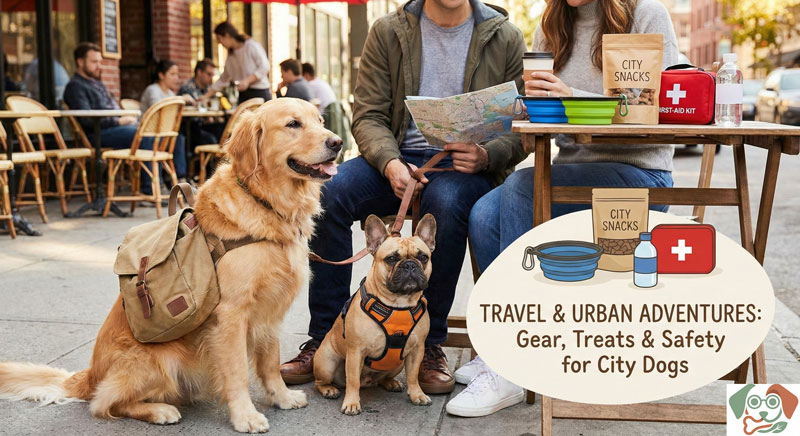
Meta description: Prevent stress-related loose stools in dogs with simple chew breaks and outfit swaps—explore 12 photo-worthy spots for calm, happy outings.
Quick Summary
- Stress can trigger loose stools in dogs. Simple shifts—short, calm chew breaks and gentle outfit swaps—help.
- Use everyday American settings: apartment living rooms, suburban yards, parks, vet visits, crate time.
- Plan 12 photo-ready spots to capture calm moments while practicing humane, reward-based training.
- Focus on routine, water, diet consistency, and safe, supervised chew breaks.
Why This Matters for Your Dog
Dogs, like people, can get stressed by changes in routine, new places, or crowd noise. Stress can upset the gut and lead to loose stools. Keeping outings calm and predictable helps your dog stay comfortable. Chew breaks and light outfit swaps are simple, humane ways to ease anxiety during daily life—whether you’re in an apartment, a suburban yard, or at the park. Pair these with a consistent diet, good hydration, and positive, reward-based training, and you’ll set up your dog for steadier stools and happier photos.
Common Causes (Key Factors)
- Sudden routine changes (new walk times, travel, daycare, guests)
- Feeding changes or new treats right before outings
- Overexcitement at parks or busy areas
- Inconsistent crate training or crate stress
- Temperature shifts or uncomfortable outfits
- Hydration gaps or water after play sessions
- Medical issues (diarrhea can also have causes beyond stress)
Note: This post focuses on care, training, and daily lifestyle. If you notice persistent loose stools, blood, vomiting, or dehydration, consult your veterinarian promptly. This is general information, not medical advice.
Step-by-Step What To Do
1) Build a calm, portable “reset kit”
– Include a soft chew or dental chew appropriate for your dog’s size, a comfortable mat or blanket, a breathable outfit or bandana, a fingertip brush for quick grooming touch-ups, and a small water bottle with a collapsible bowl.
– Practice using the kit at home before you take it out. Reward calm behavior when you present the chew or outfit swap.
2) Create apartment vs. suburban routines
– Apartment: designate a quiet “chew and calm” corner (mat on the floor, crate nearby). Short, happy photo moments should happen in natural light near the living room window.
– Suburban yard: let your dog take a few sniff breaks, then a quick chew break on a mat in the shade. Use a simple outfit swap just before stepping outside to Reduce stress from the doorbell or yard activity.
3) Plan the chew breaks and outfit swaps into daily outings
– Chew breaks: offer a chew during transitions (before entering a busier space, after a long walk, or after a stressful cue). Keep sessions short (5–10 minutes total).
– Outfit swaps: keep outfits simple and comfortable (soft fabric, non-restrictive). Swap an outfit to a familiar one if your dog gets anxious in new surroundings (e.g., quiet bandana or a lightweight harness).
4) Use humane, reward-based training
– Praise and treats when your dog remains calm during a chew break or while wearing a comfortable outfit.
– Introduce each new spot gradually: 2–3 minutes of calm, then a small photo moment, then a walk or play. Gradual exposure reduces stress.
5) Photo session guidelines (12 spots to try)
– Keep sessions short (4–6 photos per spot), stay flexible, and end on a calm note.
– Always have water available and avoid forcing a pose if your dog seems uncomfortable.
– Use daylight when possible for clear photos and safer framing.
6) Vet visits and crate training
– Before vet visits, practice a short calm routine: chew break, quick outfit swap, and a treat for settling on a waiting bench.
– If your dog uses a crate at home, practice short crate stays with the chew and a calm toy, then add a quick photo moment in the crate with the door open.
7) Monitor stool and hydration
– Keep a consistent feeding schedule and avoid introducing new treats right before outings.
– Ensure access to fresh water before, during, and after activities.
– If stools loosen for more than a day or two, or if you see other worrisome signs, contact your vet.
12 Photo Spots, Zero Stress
1) Morning light in the living room
– Setup: your dog on a comfy mat, a soft chew within reach, and a lightweight outfit or bandana.
– Photo cue: best with a calm sit or down, reward with a treat after the chew break.
2) Crate corner calm time
– Setup: dog in the crate with a familiar blanket; a chew on the mat just outside the crate.
– Photo cue: a gentle silhouette shot through the crate bars (if your dog is comfortable).
3) Hallway transition
– Setup: a hallway lit by natural light, dog wearing a simple outfit, chew in paw.
– Photo cue: a step-two-shot as you guide toward a calm corner.
4) Kitchen sunlit spot
– Setup: mat on the kitchen floor, chew visible, dog in a cozy outfit.
– Photo cue: close-up of calm eyes and relaxed mouth after a gentle chew break.
5) Car-to-park prep (not during driving)
– Setup: car parked with the dog secured in a harness-like seat belt. Short chew before stepping out; outfit swap for a weather-appropriate layer.
– Photo cue: a shot just before stepping out, grounding calm before the park.
6) Suburban yard or balcony
– Setup: cushioned mat on a deck or grass, dog in light outdoor wear, chew resting on the mat.
– Photo cue: dog looking toward the camera during a chew break.
7) Dog park moment (calm, not during busy play)
– Setup: leash, chew, and an easy-to-wear outfit. Start with a calm bench photo before joining others.
– Photo cue: a quiet pose with the dog eye-level to the camera.
8) Favorite walking route stop
– Setup: a familiar lamppost or sign, dog in a unrestrictive outfit, chew in paw.
– Photo cue: mid-walk photo with a relaxed expression.
9) Vet visit prep area (waiting room)
– Setup: dog in a comfortable outfit while you hold a chew close; a calm waiting photo.
– Photo cue: captured from your side, showing calm posture and gentle praise.
10) Crate training corner during the day
– Setup: crate open, chew inside, dog on a mat just outside.
– Photo cue: a cozy, homey shot showing nesting and safety.
11) Bedtime routine
– Setup: dog curled on their bed with a soft blanket, a small outfit option ready for morning.
– Photo cue: warm, low-light photo of a settled moment.
12) Seasonal or weather-friendly outfit switch
– Setup: dog in a cute, weather-appropriate outfit at the doorway or porch.
– Photo cue: a bright, cheerful capture of the moment you swap outfits for comfort.
Mistakes to Avoid
- Changing foods or treats right before a big outing.
- Forcing a photo pose if your dog shows stress signs (lip licking, yawning, tucked tail).
- Overfeeding chews; watch for stomach upset or choking hazards.
- Skipping crate training or using a crate as punishment.
- Ignoring signs of dehydration or fatigue after a long outing.
- Introducing too many new outfits at once; keep one or two comfortable options.
When to Call a Vet or Certified Professional
- If loose stools persist longer than a day or two, or your dog shows vomiting, lethargy, or dehydration.
- If stool changes are accompanied by blood, severe weight loss, or poor appetite.
- If you’re unsure about diet changes or new treats and your dog develops symptoms after a change.
- A certified veterinary technician or trainer can guide you on crate training, stress-reduction techniques, and safe, appropriate chew choices.
Vet disclaimer: This article provides general information about dog care and is not a substitute for professional veterinary advice, diagnosis, or treatment. If you have health concerns about your dog, consult your veterinarian promptly.
FAQs
- Q: Can chew breaks really help with loose stools?
A: Yes, if stress is a factor, short chew breaks can calm your dog and reduce gut upset caused by anxiety. Pair with a consistent routine and proper hydration. - Q: Are outfits necessary?
A: Not necessary, but comfortable outfits can reduce stress for some dogs by providing a familiar, cozy feeling. Start with simple, non-restrictive options. - Q: How long should a calm photo session last?
A: Start with 4–6 photos across a couple of minutes. If your dog stays calm, you can extend gradually, but end on a calm note. - Q: What if my dog refuses chews?
A: Try different textures or flavors; use a favorite toy instead of a chew if needed. Always supervise to prevent choking. - Q: How can I tell if my dog is stressed?
A: Watch for lip licking, yawning, pacing, shaking, tucked tail, or wide eyes. If you see these signs, take a break and reward calm behavior.
If you’re a busy U.S. pet parent, these guidelines are designed to be simple, practical, and friendly. Start small, build routines, and enjoy the calm moments you can capture with your pup. Your dog’s gut comfort and your cherished photos can both improve with kind, reward-based steps.