
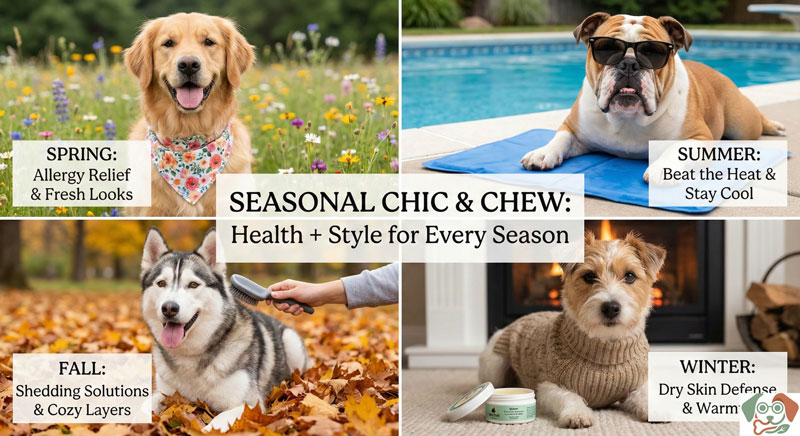
Spring Photoshoot Prep: Reduce sensitive stomach with grooming plus chew-safe toys
Quick Summary
- Gentle grooming lowers stress and coat issues that can upset tummy.
- Use chew-safe toys to keep teeth clean and prevent gulping dangerous items.
- Create a calm photoshoot routine at home, tailored for apartment or suburban living.
- Practice, reward-based training, and crate time help dogs stay relaxed during photos.
- Always consult a veterinarian for persistent tummy problems or sudden changes.
Why This Matters for Your Dog
Spring photoshoots are a delightful way to capture your pup’s personality. A calm, well-groomed dog is more likely to show natural smiles, wagging tails, and bright eyes. Grooming helps with comfort and digestion by reducing irritation from shedding fur and skin issues. Chew-safe toys support dental health, curb stress-induced chewing, and prevent stomach upset from swallowing unsafe items. With a few simple steps, you can turn a busy photo day into a pleasant, safe routine for both you and your dog.
Key Factors (Common Causes of Spring Photo Stomach Upset)
- Stress and unfamiliar environments: large crowds, cameras clicking, or new smells can upset some dogs.
- Diet changes or treats: abrupt changes or goodies not suited for sensitive stomachs can trigger tummy issues.
- Ingested objects: small toy pieces or dangerous chews can cause GI upset.
- Excess excitement: fast eating or gulping treats can lead to discomfort or bloat in some breeds.
- Groom-related irritation: itchy fur or damp grooming areas can distract or stress your dog.
Step-by-Step What To Do
1) Pick a simple, season-friendly plan
– Choose 1-2 chew-safe toys made for dogs that are moderate in size and sized to avoid choking.
– Select a few grooming goals: brushing to loosen loose fur, nail trims, and cleaning ears if needed.
– Decide on a photo routine you can repeat: 10–15 minutes of grooming, 10–15 minutes of toy play, then a calm photo session.
2) Grooming routine you can do at home
– Apartment living: short, daily brushing helps with shedding and skin comfort in small spaces. Use a soft-bristle brush, brush in a calm corner, and reward with a tasty treat.
– Suburban home with a yard: easy grooming spots are the porch or a kitchen mat. Set a 2-step routine: brush first, then wipe paws if muddy from outdoor walks.
– Nails: trim to a comfortable length to avoid foot discomfort during photos. If you’re unsure, ask your vet or a mobile groomer to show you safe clipping techniques.
– Ears and coat: clean ears gently with a vet-approved solution. If the coat is oily or itchy, talk to your vet about gentle grooming products.
3) Manage your dog’s stomach with steady routines
– Feed on a consistent schedule. For most dogs, 2 meals a day works well. If your dog tends to gulp, try a slow feeder bowl or a puzzle feeder.
– Stick with familiar foods the week before the shoot. If you plan a small treat, use dog-safe options you know your pup tolerates.
– Hydration matters. Keep fresh water available but not so close to photo time that a food break becomes a disruption.
4) Introduce chew-safe toys and rotate
– Pick safe options: rubber toys, Dental Chews, or braided nylon chews that are appropriate for your dog’s size. Avoid toys with loose parts that could be swallowed.
– Size and supervision: toy should be large enough to not be swallowed whole. Supervise during the photoshoot and take breaks if your dog seems overwhelmed.
– Rotate toys daily. A change in texture or scent can keep interest without introducing new stomach stress.
5) Create a calm photoshoot environment at home
– Start in a quiet room away from loud noises. Use natural light from a window for gentle photos.
– Use a crate or a calm mat. A familiar space helps your dog feel secure during photos.
– Short practice runs: practice sit, stay, and look at you with friendly rewards before the real shoot.
– Breaks are key: if your dog shows stress signs (panting, yawning, lip licking), pause and offer a chew-safe toy or water, then resume later.
6) Make it work for apartment vs. suburban living
– Apartment: use a small prop corner with a soft mat or towel. Short sessions work best; aim for 5–8 minute blocks with quick treats between shots.
– Suburban: you may have a yard or a park nearby. Use a quiet loop for practice walks before picture time. If you use a park, arrive early to avoid crowds, and bring a familiar toy to reward calm behavior.
7) Crate training for calm, safe photos
– If your dog is crate-trained, use it as a comforting space before the shoot.
– Place it in a well-lit area with toys and a cozy bed.
– Practice crate time a few days ahead so your dog associates it with safety and treats, not punishment.
8) Vet and professional help when needed
– If your dog has ongoing tummy issues or you notice persistent vomiting, diarrhea, or weight loss, schedule a veterinary check. A brief consult can clarify if a diet tweak, grooming change, or medical check is needed.
– For anxious dogs, a certified trainer or behaviorist can help you build a reward-based plan that reduces stress during photos.
Mistakes to Avoid
- Overfeeding new treats right before the shoot. Keep it simple with familiar chews.
- Switching diets suddenly. If you must change foods, do so gradually over 7–10 days.
- Forcing poses or scolding during the session. Reward calm, cooperative behavior with praise and small treats.
- Using rawhide or hard chews that can crack teeth or cause choking.
- Ignoring small safety concerns. Always supervise chewing and keep small parts away from ears and eyes.
When to Call a Vet or Certified Professional
- Signs of GI distress: repeated vomiting, diarrhea with blood, fever, lethargy, or refusal to eat for more than 24 hours.
- Bloating symptoms: a swollen abdomen, restlessness, or pacing followed by unproductive retching.
- Signs of pain or changes in behavior that don’t improve with a few days of gentle care.
- If your dog has a known medical condition or is on medication, any new symptoms should be discussed with your vet.
- Vet disclaimer: this article provides general guidance and is not a substitute for professional medical advice. For medical concerns, contact your veterinarian.
FAQs
-
Q: Can grooming help a sensitive stomach?
A: Yes. Regular, gentle grooming lowers stress, reduces skin irritation, and helps prevent hair from irritating the digestive tract. It also makes it easier to handle during photos. -
Q: What if my dog is food-driven?
A: Use small, familiar treats that are easy to digest. Break treats into tiny pieces. Reward calm behavior, not just the photo pose. -
Q: How do I prevent my dog from swallowing toy pieces?
A: Choose sturdy, size-appropriate toys and supervise. Inspect toys for wear and replace them if pieces break off. -
Q: Can I do the photoshoot outside?
A: If you have a safe, clean area away from traffic and loud noise, outdoor shoots can work well. Bring a familiar toy and water, and watch for heat or sun exposure. -
Q: What if my dog won’t sit still?
A: Start with short sessions, reward even small moments of calm behavior, and practice in advance. Reward-based training with a favorite treat or praise helps a lot. -
Q: Do I need professional grooming before the shoot?
A: Not necessarily. A simple brushing, ear clean, nail trim, and bath if needed can make a big difference. If your dog has thick fur or sensitive skin, a professional groomer can help.
Final thoughts
With a thoughtful grooming routine, safe chew toys, and a calm at-home photoshoot plan, your dog can look and feel great for spring pictures. Keep sessions short, reward progress, and Stay flexible for your dog’s comfort. A little preparation goes a long way toward a confident, happy pup on camera—and a stomach that stays settled while you capture those precious moments.