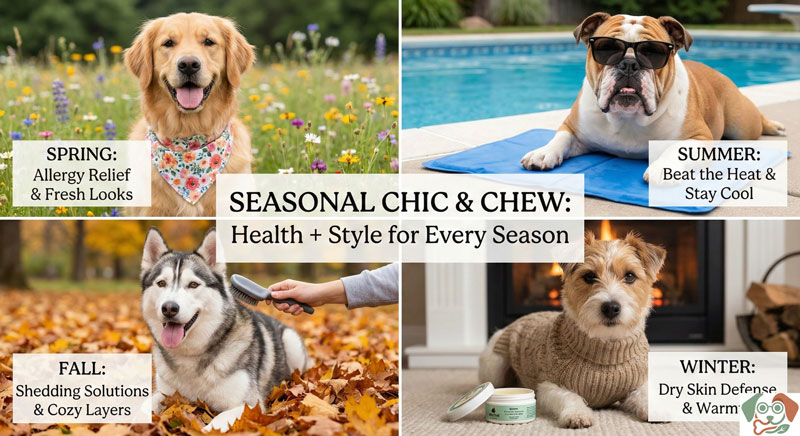
Spring Holiday Style: Outfit Checklist That Won’t Trigger a Dull Coat
Meta description: A beginner-friendly guide to spring dog outfits that protect the coat and keep skin happy.
Quick Summary
- Choose breathable, soft fabrics and easy-fastening designs to prevent coat friction.
- Pair outfits with a simple grooming routine to keep the coat shiny.
- Use a practical, safe outfit plan that fits apartment living or suburban yards.
- Introduce clothes slowly with rewards; never force a dog to wear something uncomfortable.
- Have a ready safety and travel kit for parks, crates, and holidays.
Why This Matters for Your Dog
Spring is a time for celebrations, outdoor strolls, and family photos. The right outfit can be fun, but the wrong one can irritate skin, tug on fur, or dull the coat. Dogs with dull or lackluster coats often benefit from gentle grooming, balanced nutrition, and clothes that move with them—not against them. A well-fitted, breathable outfit can protect skin from sun and wind while keeping shedding under control. The goal is comfort, safety, and a look that stays cute without stressing the coat.
Key Factors (Common Causes Behind a Dull Coat)
- Fit and fabric: Rough seams, tight pieces, or heavy materials rub or trap moisture, dulling the coat.
- Grooming routine: Infrequent brushing or over-bathing can strip natural oils and leave fur dull.
- Nutrition and hydration: Poor diet or dehydration can dull a dog’s shine.
- Weather and sun exposure: Pollen, wind, and sun can irritate skin and coat if not managed.
- Activity and safety: Rough housing with accessories, or wearing outfits during long outdoor sessions, can cause friction or overheating.
- Health signals: Skin infections, allergies, or thyroid issues can show up as dullness or patchy fur. If you notice persistent changes, check with a vet.
Step-by-Step What To Do
1) Start with a coat-friendly assessment
– Briefly brush your dog’s coat. Look for mats, redness, or dry skin.
– Note sensitivity. If a dog flinches when you touch a certain area, skip any outfit pieces that rub there.
2) Pick fabrics that feel good
– Favor breathable cotton, soft jersey, or lightweight mesh for warm days.
– Steer clear of stiff, scratchy seams or heavy knits that tug on fur.
– Choose dye-free or low-chemical fabrics to minimize skin irritation.
3) Measure for a proper fit
– Measure chest girth just behind the front legs, neck circumference, and back length from shoulder to tail base.
– Use adjustable Velcro or snap closures. If a piece feels tight at the shoulder or hips, set it aside.
4) Introduce outfits gradually (reward-based)
– Start with 1–2 minutes of wear in a calm room.
– Use treats and praise to build a positive association.
– Slowly increase wear time over several sessions. If your dog shows signs of stress, pause and retry later.
5) Build a simple spring outfit rotation
– 1 lightweight romper or tunic for sunny days.
– 1 breathable harness-top or bandana combo for outdoor walks.
– 1 lightweight sun-and-wreeze layer for cooler mornings.
– Add reflective trim for evening park trips.
6) Integrate grooming into the routine
– Brush 3–4 times weekly, or daily during shedding seasons.
– Wipe down paws and belly after park visits to remove pollen and dirt.
– Bathe only as needed with a gentle, dog-safe shampoo; avoid over-washing to keep coat oils intact.
7) Plan outings with your space in mind
– Apartment life: stick to one comfortable outfit at a time; schedule short, 5–10 minute wear sessions before a walk or nap.
– Suburban home: you can add a quick outdoor photoshoot outfit, but still watch for rubbing at the chest or underbelly when the dog moves.
8) Pack a practical “outfit-and-safety” kit
– Leash, harness, collar with ID, dog-safe sunscreen if recommended by your vet, a lightweight rain cover, a travel-sized grooming brush, wipes for paws, and a small stash of treats.
– For car trips or crate time: ensure the outfit doesn’t hinder movement in the crate; use a harness if your dog travels.
9) Include safety and comfort checks during wear
– Check for overheating: panting, restlessness, or a red muzzle area.
– Look for tugging spots: if a piece shifts and rubs, remove it and try a looser fit or different fabric.
– Never leave a dog unattended in clothing if the dog is new to outfits.
10) Vet check-ins and seasonal adjustments
– If you notice ongoing coat dullness, itching, hair loss, or skin redness, schedule a vet visit to rule out underlying issues.
– Use the vet visit as a time to discuss diet, supplements, and grooming products that support a healthy coat.
Apartment vs. suburban examples
– Apartment: Short hallway tests, quick styling sessions, a single comfortable outfit, and a focus on light fabrics that won’t irritate skin in a small space. Use a dog-safe bandana for photos or a simple romper for a walk.
– Suburban: More outdoor play, a second layer for cooler days, and a harness-friendly design. Include a light hat or sun guard only if your dog tolerates it; prioritize comfort and movement.
Crate training and daily routine
– If your dog is crate trained, use age- and coat-friendly outfits only when supervised. Remove clothing before crate time to prevent chewing or tangling.
– Build a daily rhythm that includes a short outfit wear session after a walk, then a soothing brush and a snuggle session. Consistency helps coats shine and minds stay calm.
Vet disclaimer
– This article provides general tips. It is not a substitute for veterinary care. If you notice unusual coat changes, skin lesions, or persistent itchiness, contact your veterinarian or a certified professional for guidance.
Mistakes to Avoid
- Choosing outfits that are too tight or rub the skin.
- Wearing heavy fabrics on warm days or for long periods.
- Over-bathing or using strong human detergents on dog fur.
- Leaving a dog in clothing unsupervised for long stretches.
- Assuming “all-day wear” is fine without checking for comfort signals.
- Skipping grooming routines that support coat health.
When to Call a Vet or Certified Professional
- If you notice persistent hair loss, bald patches, redness, swelling, or crusty skin.
- If the coat looks dull despite regular brushing and good nutrition.
- If itching or rubbing is frequent or severe, or if the dog shows signs of discomfort while wearing outfits.
- If a new skin lesion appears after wearing a particular garment or fabric.
- If you have questions about nutrition, supplements, or skin care products.
Note: Always discuss skin or coat concerns with a licensed veterinarian. They can help identify allergies, infections, or other issues that affect coat health.
FAQs
-
Can my dog wear clothes every day?
Yes, if your dog tolerates it and the outfit does not cause rubbing or overheating. Start slow and watch for signs of stress or discomfort. -
How do I introduce outfits to a dog who’s never worn clothing?
Start with a small, comfy item like a soft bandana. Reward frequent calm behavior. Gradually try a lightweight top or romper for short periods. -
Do clothes help with coat shine?
Clothing itself doesn’t shine the coat, but reducing friction, protecting from sun, and pairing clothing with a consistent grooming routine can support a healthier, shinier coat. -
Which fabrics are best for sensitive skin?
Look for soft cotton blends, bamboo fabrics, or lightweight jerseys. Avoid rough seams, labels that rub, and synthetic fabrics that trap heat. -
How can I Prevent Overheating in spring outfits?
Choose breathable fabrics, short wear times, and remove layers if the dog shows signs of overheating, such as excessive panting, drooling, or lethargy. -
How should I wash dog outfits?
Use a mild, pet-safe detergent. Rinse thoroughly and air-dry away from heat. Check care labels for washing instructions. -
Do I need to consult a vet about coat issues before buying outfits?
If your dog has ongoing skin issues or you’re making changes to diet or supplements for coat health, talk with your vet first. They can tailor recommendations to your dog’s needs. -
Are there any spring safety Tips for dog outfits?
Ensure all snaps and fasteners are secure, avoid loose tassels or buttons that could be chewed, and avoid outfits in weather that could irritate the skin or trap moisture.
This spring, you can celebrate the holidays and the outdoors with outfits that feel fun and friendly to your dog’s coat. A thoughtful approach keeps grooming simple, coats shiny, and adventures enjoyable for both of you. Remember: comfort, safety, and gentle positive training are the foundation of a happy, stylish spring for your pup.