
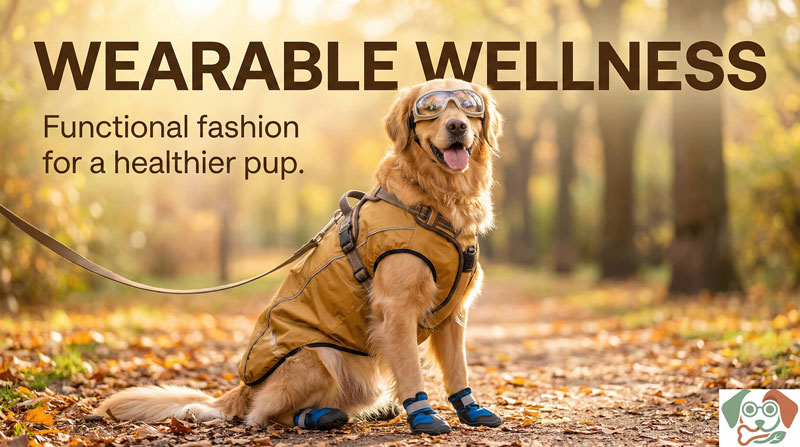
Snowsuit vs Snood: Which Prevents Matting Better in 2025?
Meta description: Snowsuit vs snood for winter matting in dogs—practical tips for apartment and suburban homes.
Quick Summary
- Both snowsuits and snoods can help reduce coat mats, but they target different problem areas.
- Snowsuits cover the body and legs, helping keep fur dry and reducing snow clumps that can create mats.
- Snoods wrap the neck and ears, protecting common mat-prone zones and making brushing easier after outdoor time.
- For many dogs, using both (one for body, one for neck/ears) offers the best matte-prevention in winter.
- Fit and comfort matter more than the style. Measure chest, length, and neck. Choose breathable, easy-to-clean fabrics.
- Start gradually; combine with brushing, drying after walks, and a consistent grooming routine.
- Vet disclaimer: This is general guidance. For medical concerns, consult your veterinarian.
Why This Matters for Your Dog
Winter brings wet paws, snow clumps, and dry indoor air that can dry out fur. Mats form when fur gets tangled and isn’t brushed out regularly. Mats can pull on the skin and cause discomfort. The right winterwear can help by reducing moisture exposure, easing movement, and making grooming easier. With the right approach, you’ll keep your dog warmer, cleaner, and happier during colder months.
Key Factors (Common Causes)
- Wet fur and snow clumps: When fur stays wet, it mats more easily as you move.
- Collars, harnesses, and harness drags: These can tug on fur and create lines or tangles.
- Long-coat dogs: Dogs with dense undercoats are more prone to mats, especially behind ears, under the chest, and along the legs.
- Frequent play at dog parks or outdoor walks: Grass, sticks, and debris can catch in fur.
- Indoor heating and dry air: Indoor warmth can make fur brittle and more prone to tangling.
- Coat maintenance gaps: Skipping brushing or skipping post-walk drying increases mat risk.
Step-by-Step What To Do
1) Assess your dog’s coat and typical mat spots
– Look where mats form most: neck, behind ears, armpits, chest, and hind legs.
– Note your dog’s activity level and usual weather in your area (apartment living vs. suburban yard).
2) Pick the right gear
– Snowsuit: Best for dogs with long fur or active outdoor routines; protects the torso, legs, and tail from wet snow.
– Snood: Best for neck/ear areas; helps prevent mats around the ears and neck and keeps hair out of eyes.
– In some cases, use both: a snowsuit for body protection and a snood for neck/ears.
3) Ensure a proper fit
– Measure chest girth, back length, and neck circumference.
– Check two fingers’ clearance at the chest and armpits to avoid restriction.
– Look for breathable, machine-washable fabrics. Avoid loose seams that could snag fur.
4) Introduce gradually
– Start with 5–10 minutes indoors with treats, then gradually extend wear time.
– Use positive reinforcement: snacks, praise, and a favorite toy.
– Practice with routine activities: a short hallway walk, then a snack break.
– If you live in an apartment: try wearing during short lobby or patio strolls to acclimate.
5) Post-walk care
– Dry fur thoroughly after outdoor time. Use a towel and, if needed, a gentle hairdryer on a cool setting.
– Brush while fur is damp with a detangling brush, then finish when dry.
– Inspect for mats and gently work them out with a dematting comb or professional-grade detangler.
6) Grooming routine to support mat prevention
– Brush 3–4 times per week for long coats; 1–2 times for short coats.
– Focus on commonly matted zones: behind ears, under the neck, and chest.
– Schedule regular grooming appointments if mats persist or if your dog dislikes brushing.
7) Maintenance and cleaning
– Wash snowsuits and snoods as directed; air-dry fully.
– Store items clean and ready for next use.
8) Real-life routines
– Apartment living: Short, protective wear for quick trips to the lobby or balcony; daily brushing inside the living room; quick post-walk drying near a vent.
– Suburban home: Longer outdoor walks in snow, plus a snowsuit for all-day exposure; keep a snood handy for neck/ears and a grooming kit in the mudroom.
Mistakes to Avoid
- Over-tight gear: It can restrict movement and breathing. Always leave a little room for comfortable movement.
- Wrong size or loose fasteners: Mats form where fur can snag on zippers or straps.
- Skipping post-walk drying and brushing: Wet fur plus friction equals mats.
- Assuming one size fits all: Dogs with different coat types may need both products or custom-fit options.
- Not acclimating gradually: Forcing wear can create stress and resistance.
When to Call a Vet or Certified Professional
- Matting has progressed to painful, inflamed skin or smells unusual.
- You notice persistent itching, redness, or sores under gear areas.
- Your dog shows signs of overheating or unusual behavior during wear (panting excessively, lethargy, reluctance to move).
- If mats are tight or deep and you’re unsure how to remove them safely.
Note: This article is not a substitute for professional veterinary or grooming care. If you’re unsure about a skin condition or how to remove mats safely, contact your veterinarian or a certified groomer.
FAQs
- Do snoods prevent matting as well as snowsuits? Snoods help with neck and ear mats; snowsuits prevent body mats. Using both can maximize mat-prevention coverage.
- Can my dog wear both at the same time? Yes, if the fit is comfortable and allows normal movement, breathing, and bathroom breaks.
- How do I clean a snowsuit or snood? Most are machine-washable on a gentle cycle. Air-dry fully before reuse.
- How do I know if my dog is too hot in a snowsuit? Check for heavy panting, lethargy, or a sudden desire to remove the garment. If in doubt, take it off and give frequent breaks.
- Are snoods safe for hearing? Snoods that cover the ears should not block hearing entirely. If your dog seems unusually distracted or stressed, adjust fit or remove for a break.
- How can I remove mats safely? Start gently with a dematting tool or comb, apply a pet-safe detangler, and work from the tips to the base. If mats are stubborn, seek a professional groomer.
If you’d like, I can tailor these tips to your dog’s specific coat type, breed, and your local winter climate.