
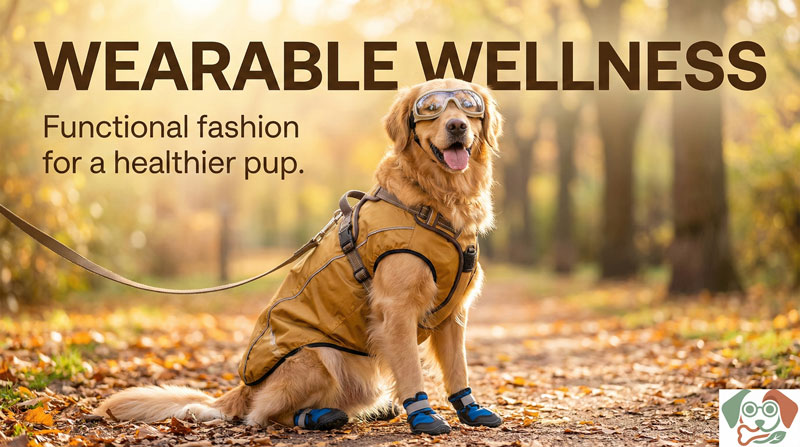
Snowsuit Safety: Keep warm and reduce anxiety on Summer walks
Meta description: Snowsuit Safety in summer: tips to keep dogs warm without overheating and ease walk anxiety with practical steps.
Quick Summary
- In summer, choose light, breathable outerwear if you use any garment for warmth or security.
- Fit and fabric matter: measure chest, neck, and back; pick breathable, reflective options.
- Pair gear with calm training and a predictable routine to ease anxiety.
- Monitor your dog for signs of heat stress and pull back if needed.
- Adapt routines for apartment living vs. suburban yards and parks.
- When in doubt, consult your veterinarian or a certified trainer.
Why This Matters for Your Dog
Many dogs feel safer with snug, secure clothing or wraps. Some dogs also run more anxious on summer walks due to heat, crowds, or change of routine. Proper snowsuit safety means using gear that helps a dog feel secure without trapping heat or restricting movement. For U.S. households—whether you’re in a small apartment or a house with a yard—clear gear choices, consistent routines, and humane training keep walks calm, comfortable, and enjoyable.
Common Factors
- Heat risk: even light fabrics can trap heat. Always prioritize comfort on warm days.
- Fit and fabric: tight seams or non-breathable materials can cause chafing or overheating.
- Anxiety triggers: crowds, noises, and unfamiliar scents can spike stress; gear should support, not replace, positive training.
- Routine gaps: inconsistent walk times, long gaps between potty breaks, and late-day hikes can worsen anxiety.
- Environment: apartment dwellers may have louder elevators, stairways, and shared spaces; suburban homes may have dogs reacting to cars or kids at the park.
Step-by-Step What To Do
1) Assess the need
– If your dog has anxiety or a history of shivering in AC rooms, consider light, snug comfort wear only on cooler days or early/late walks. Never use heavy snowsuits in heat.
– For some dogs, a secure harness and calm leash routine reduce stress more than any outerwear.
2) Choose the right gear
– Look for lightweight, breathable fabrics (cotton blends or moisture-wicking materials) and reflective accents for dusk or dawn walks.
– If you’re using any form of warm outerwear, pick a size that fits snugly but allows full movement. Avoid restrictive chest bands.
– Measure accurately: neck around the base, chest behind the front legs, and back length from shoulder blade to tail base.
3) Fit and test at home
– Put the garment on indoors for short periods (5–10 minutes). Check for hot spots, rubbing, or panting that worsens.
– Move, sit, and lie down to ensure the fit doesn’t restrict breathing or shoulder movement.
– If your dog shows stress signs, remove the garment and try a calmer alternative (e.g., a snug anxiety wrap or simply a calm routine).
4) Introduce gradually outdoors
– Start with 5–10 minute outdoor exposures in cool parts of the day (early morning or late evening).
– Pair the experience with rewarding treats and praise to build positive associations.
– Increase time slowly as your dog stays calm and shows no signs of overheating.
5) Build a routine for different homes
– Apartment: schedule walks at cooler times, use indoor enrichment before stepping outside, and practice crate or mat training for calm transitions.
– Suburban: plan shaded routes, frequent hydrations, and short leash walks near quiet streets before venturing to busier parks.
6) Pair gear with humane training
– Use reward-based training to reduce Leash Reactivity and fear. Short, frequent practice sessions are better than long, stressful ones.
– Introduce soothing cues (smell puzzles, sniff breaks) during or after walks to reduce anxiety.
7) Hydration and weather checks
– Always have water on hand. If it’s hotter than a comfortable bath, skip the garment and shorten the walk.
– Check the day’s forecast for heat index and avoid pavement scorching.
8) Safe crate and home routines
– If your dog uses a crate, create a calm corner with the snowsuit stored safely away when not in use.
– Practice crate time with positive reinforcement to help your dog settle during car rides or vet visits.
9) Vet or trainer consults
– If anxiety or heat sensitivity persists, ask your vet or a certified trainer for ideas beyond gear, including counter-conditioning and relaxation protocols.
Mistakes to Avoid
- Using heavy, non-breathable coats on hot days.
- Ignoring signs of overheating (heavy panting, drooling, lethargy, stumbling).
- Forcing a dog to wear gear during prolonged walks or play.
- Skipping hydration or walking during peak heat without breaks.
- Relying on gear alone without humane training and enrichment.
When to Call a Vet or Certified Professional
- Your dog pants hard, collapses, or cannot cool down after a walk.
- Persistent anxiety disrupts daily life or leads to avoidance behaviors.
- Skin irritations or rubbing appear after wearing gear.
- You’re unsure about the right gear, fit, or training plan for your dog’s needs.
Vet disclaimer: This article offers general care guidance and is not a substitute for professional medical advice. If you worry about your dog’s health or behavior, please contact your veterinarian or a certified trainer for personalized guidance.
FAQs
- Is a snowsuit safe in summer?
It can be safe if it’s lightweight, breathable, and worn for short periods in cooler parts of the day. Monitor for signs of overheating and remove immediately if needed. - How do I choose the right size?
Measure neck, chest, and back length. If in between sizes, choose the larger with adjustable fasteners, ensuring comfortable movement. - How long should a walk be with winter gear in summer?
Start with 5–10 minutes and adjust based on your dog’s comfort and temperature. Prioritize hydration and shade. - My dog hates clothing. What now?
Use a gentle, reward-based approach. Introduce the garment briefly indoors, reward calm behavior, and gradually extend wear time only if comfortable.
This practical approach helps many U.S. families keep walks pleasant—whether you live in an apartment, a suburban home, or the in-between. By combining mindful gear use with humane training and a steady routine, you can help your dog stay warm when needed and relaxed on summer strolls.