
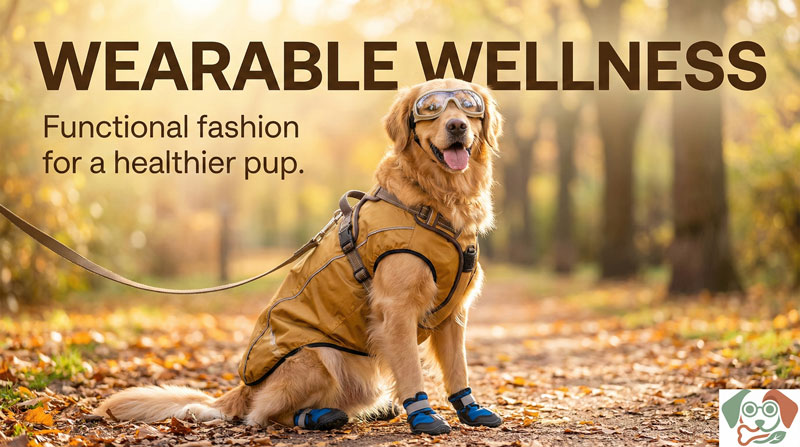
Snowsuit Safety: Keep Warm and Reduce Hot Spots on Summer Walks
Quick Summary
- Snowsuits aren’t just for winter. In some cases, a lightweight, breathable coat can protect sensitive skin or post-surgery areas during summer walks.
- The big risks are overheating, rubbing, and hotspots. Fit, fabric, and monitoring are essential.
- Use humane, reward-based training to help your dog tolerate a coat.
- Practical tips work in apartments and suburban homes alike: schedule heat-smart walks, choose the right gear, and keep a close eye on your dog.
- If you notice persistent redness, swelling, or a new wound, contact your vet.
Why This Matters for Your Dog
Summer days bring sunshine, warmth, and outdoor fun. They also bring new challenges for dogs who wear coats or snowsuits for skin protection, medical needs, or sheer comfort. A poorly chosen or ill-fitting coat can trap heat, irritate the skin, and create hotspots—tiny, painful areas that can worsen if ignored. For many dogs, hotspots form from friction (a rubbing seam or collar/harness under a coat), moisture from sweat, or rough surfaces during walks. Keeping your dog warm in the right way while preventing hotspots is a balancing act you can manage with simple routines, careful gear choices, and steady observation.
Key Factors
- Fit: A coat that’s too tight rubs; one that’s too loose shifts and chafes. Check chest, belly, and shoulder areas.
- Fabric: Breathable, moisture-wicking materials beat heavy, non-breathable fabrics. In summer, look for lightweight, cooling, or UV-protective options.
- Weather timing: Early mornings or late evenings are cooler. High noon sun plus a coat can elevate heat risk.
- Skin health: If your dog has allergy-prone skin, existing hotspots, or wounds, protection decisions differ. A healthy coat choice shouldn’t irritate delicate skin.
- Activity level: High-energy dogs may overheat quickly when wearing a coat. Shorten walks or switch to cooling strategies when necessary.
- Comfort and training: Dogs learn better with reward-based coaching. Patience and positive reinforcement help them tolerate and care for the coat.
Step-by-Step What To Do
1) Assess the need
– If your dog has delicate skin, recent surgery, or a medical reason to cover skin, a light snowsuit or coat may help. If not medically required, a breathable dog coat or cooling vest is often a better choice for summer.
2) Choose the right gear
– Look for: breathable mesh or light cotton blends, adjustable closures, reflective strips for visibility, and a fabric that dries quickly.
– For hot days, consider a cooling vest or UV-protective outer layer instead of a thick snowsuit.
3) Get a proper fit
– Measure neck, chest girth, and back length. Use size charts from brands you trust.
– Try on indoors first. Check for rubbing at the shoulders, armpits, and under the belly. Have your dog walk a few steps while you observe movement and comfort.
4) Introduce gradually
– Start with 5–10 minutes indoors. Reward with treats and praise.
– Gradually extend the time as your dog stays calm and moves without rubbing. If signs of stress appear, shorten sessions.
5) Plan for outdoor safety in summer
– Walks: schedule during cooler windows, use shaded routes, and carry water.
– Play areas: at the dog park or in the yard, monitor for overheating signs and adjust gear accordingly.
– In apartments: stairs and hard floors can make friction more noticeable; pick a coat with a smoother seam and keep sessions shorter if needed.
6) Daily care and skin checks
– After every wear, check for redness, chafing, or new hotspots. Gently feel the skin and fur for warm patches.
– Wash the garment as directed after use, dry fully before the next wear, and store in a clean spot.
7) Grooming and skin care
– Regular brushing reduces matting and hot spots by keeping fur smooth under the coat.
– If your dog has sensitive skin, use hypoallergenic cleansers and avoid scented products that can irritate.
8) Crate and home routines
– If you crate your dog, acclimate them to a crate with the coat on or off as appropriate. Use crate time for quiet rest after walks, not as a punishment.
– Create a consistent daily routine: short morning walk with a coat, a rest period, a second lighter outdoor session if heat is mild, and plenty of fresh water.
9) Vet integration
– Bring notes about coat use to your vet visits. If your dog has recurrent hotspots or skin issues, your vet can suggest fabrics, fit, or a different approach suitable for your dog’s skin and health.
Mistakes to Avoid
- Choosing a heavy coat for hot days or a coat that traps heat. It defeats the purpose and can cause overheating.
- Tight or loose fit. This leads to rubbing or shifting that creates hotspots and irritates skin.
- Wearing a coat during intense exercise or very warm afternoons without breaks. Dogs overheat quickly.
- Not checking the skin daily. Hotspots can start tiny and escalate in a day or two.
- Assuming every dog needs a coat. Some dogs tolerate weather differently; use coats only when needed.
- Skipping hydration. A coat increases effort; always provide fresh water during and after walks.
- Using the wrong detergent or fabric conditioner on the coat. Residue can irritate sensitive skin.
When to Call a Vet or Certified Professional
- Redness that spreads, swelling, oozing, or a warm, painful patch on the skin that doesn’t improve after a day or two.
- Signs of heat distress: heavy panting, drooling, lethargy, vomiting, staggering, or collapse.
- A hotspot that worsens despite at-home care, or if you see signs of infection (fever, pus, foul odor).
- If your dog shows persistent itching, licking, or scratching at the coat-covered area beyond general tolerance.
- Any skin flares or allergic reactions that don’t respond to gentle care and removing the coat.
Vet disclaimer: This article provides general care information. It is not medical advice. For any concerns about your dog’s health, consult your veterinarian.
FAQs
- Can dogs wear snowsuits in hot weather?
- If your dog has a medical need for skin protection, choose a light, breathable, UV-protective layer rather than a heavy snowsuit. Monitor temperature and behavior closely, and remove the coat if your dog shows signs of overheating.
- What fabrics are best for summer wear?
- Breathable mesh, lightweight cotton blends, or cooling vests with moisture-wicking properties. Avoid thick, non-breathable fabrics.
- How do I treat a hotspot at home?
- Clean with a gentle, dog-safe antiseptic as directed by your vet, keep the area dry, and avoid scratching or licking. Do not apply human medications. If the hotspot persists beyond 24–48 hours or worsens, seek veterinary care.
- How often should I check my dog after wearing a coat?
- Check skin and fur at least once daily. Do a quick look during and after walks, especially at pressure points like the chest and underbelly.
- Do all dogs need a snowsuit or coat in summer?
- Not all dogs. Short-coated breeds or dogs with thick fur may benefit from light protection in sun-heavy areas or at times with skin issues. Dogs with heat sensitivity or medical skin conditions may need special care.
- How can crate training help with snowsuit safety?
- A calm, safe crate space helps your dog rest after outdoor sessions and reduces stress. Crate training supports consistent routines and reduces the risk of overheating via controlled, comfortable downtime.
This guide aims to help everyday American pet parents keep dogs warm and protected while reducing hotspots during summer walks. With careful gear choices, mindful routines, and compassionate training, you can enjoy safe, comfortable outings together—whether you live in an apartment with limited outdoor space or in a sunny suburban home with a yard. If you have questions about your dog’s specific needs, your local vet or a certified dog trainer can offer personalized guidance.