
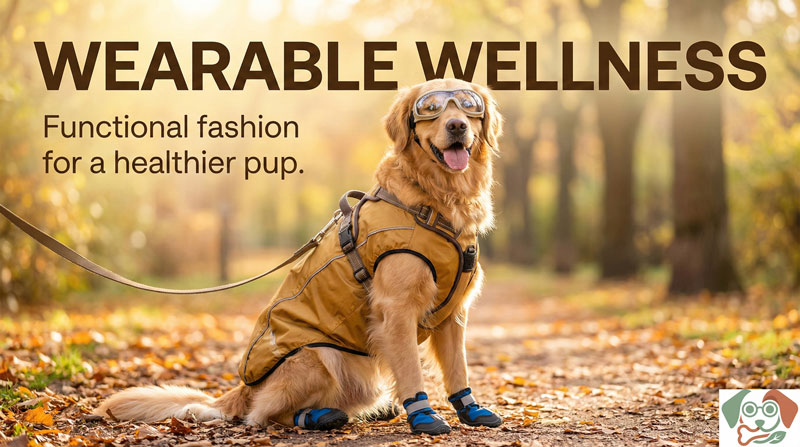
Meta description: Snowsuit safety for dogs: stay warm on cold walks and keep breaths fresh during summer strolls.
Quick Summary
- Snowsuits can help keep dogs warm on cold walks, but fit and fabric matter. Choose a size that allows natural movement and quick leash access.
- For summer walks, prioritize cooling, hydration, and quick pauses to prevent overheating. Bad breath often points to dental care needs.
- Practical routines vary by home life (apartment vs. suburban) and include crate training, regular vet checkups, and friendly, reward-based training.
Why This Matters for Your Dog
Staying warm when it’s cold helps dogs move comfortably, especially older dogs or those with short coats. A poorly fitting snowsuit can cause chafing or restrict movement and even trap heat. On the flip side, summer walks need protection from heat, but not from breath issues. Fresh breath usually means good dental care and proper hydration. With thoughtful gear and daily habits, you can keep your dog safe, comfortable, and happy through all seasons.
Key Factors
- Fit and comfort: The garment should not pinch, bind, or restrict legs. Look for stretchy fabric, adjustable straps, and room at the chest and belly.
- Breathable design: In cool weather, vented panels are great; in warm weather, minimize layers.
- Safety features: Reflective trim, sturdy zippers, and easy leash access help you stay visible and in control.
- Temperature balance: Know when to stop wearing a snowsuit on cool days and never use heavy insulation in heat.
- Dental health: Regular brushing, dental chews, and vet-dental exams reduce bad breath and support overall health.
- Home-life routines: Apartment living vs. suburban routines affect how often you walk, where you walk, and how you crate-train for wearing gear.
Step-by-Step What To Do
1) Pick the right snowsuit
– Look for a snug but not tight fit, with a little stretch at the chest and belly.
– Ensure there is a leash hole or a compatible harness slot.
– Choose a breathable, weather-appropriate fabric with a small amount of insulation for truly cold days.
2) Measure correctly
– Back length: base of neck to tail start.
– Chest girth: the widest part of the rib cage.
– Neck circumference: around the neck where a collar would sit.
– Measure twice to compare with the size chart.
3) Fit and safety test at home
– Put the snowsuit on indoors first. Check for restricted movement, pulling at the shoulders, or fabric bunching under the legs.
– Check for loose seams, zipper pulls, and any fabric that could irritate skin.
– Practice a short, 5–10 minute wear session with praise and a tasty treat.
4) Gradual wearing routine
– Week 1: 5–10 minutes indoors after meals.
– Week 2: 10–20 minutes, same routine, with short sniff-and-stop breaks.
– Week 3+: use on brief outdoor walks if the weather is appropriate.
5) On cold walks (winter-ready tips)
– Start with a slow pace, then pause for micro breaks to check for comfort.
– Take occasional breath checks: if your dog pants heavily or slows, remove the garment.
– Dry paws and coat after wet spots to prevent chill.
6) In summer or cool evenings
– Use minimal or breathable layers only if air is truly cool.
– Always provide shade, water, and a quick break every 10–15 minutes to cool down.
7) Reducing bad breath on walks
– Brush your dog’s teeth regularly or use vet-approved dental chews.
– Offer fresh water after walks; consider a small rinse with water if your dog tolerates it.
– Schedule routine dental exams with your veterinarian.
– Avoid feeding or gnawing on sugar-rich treats before walks.
8) Daily routines by home type
– Apartment: Short, frequent walks; crate training helps with dressing and undressing gear calmly.
– Suburban: Longer walks near parks; rotate gear to prevent wear and keep gear interesting for your dog.
9) Vet visits and care
– Schedule a dental checkup at least once a year (more often if your dog has dental issues).
– Talk to your vet about any skin irritation or chafing from gear.
10) Crate training and handling
– Use a crate to help your dog learn to tolerate wearing the snowsuit when calm.
– Pair dressing with treats and a calm environment.
Mistakes to Avoid
- Choosing a size that is too tight or too loose.
- Leaving a snowsuit on for long periods without checks.
- Ignoring signs of overheating or chafing.
- Skipping dental care or not hydrating after walks.
- Using gear during hot weather or in high humidity.
When to Call a Vet or Certified Professional
- If you notice persistent coughing, labored breathing, or signs of overheating during or after a walk.
- If you see skin redness, sores, swelling, or unusual hair loss where the snowsuit sits.
- If bad breath is persistent despite brushing and dental chews, or if you notice drooling, difficulty eating, or loose teeth.
- Always consult a veterinarian for medical concerns and a dog trainer or behaviorist for coat-wearing anxiety or training hurdles.
Vet disclaimer: This content is for educational purposes and is not a substitute for professional medical advice. If you have health concerns about your dog, please consult your veterinarian or a certified professional.
FAQs
- Can my dog wear a snowsuit in summer? Only if the weather is cool and the suit is breathable. Avoid layering in heat and watch for signs of discomfort.
- How do I measure my dog for a snowsuit? Measure back length, chest girth, and neck. Compare with the size chart and pick the closest fit.
- My dog hates clothes. How do I get them used to a snowsuit? Use positive reinforcement, short sessions, and lots of praise. Start indoors with tasty treats.
- Will a snowsuit cause bad breath? Not directly. Breath issues are usually linked to dental health or hydration. Maintain dental care and fresh water.
- How often should I wash the snowsuit? Follow the manufacturer’s instructions. Generally, air dry and avoid high heat to prevent fabric damage.
With mindful gear choices and simple routines, you can keep your dog warm and comfy on cold walks and support fresh breath during summer strolls. Enjoy your time together—and give your pup frequent praise for calm, confident walks.