
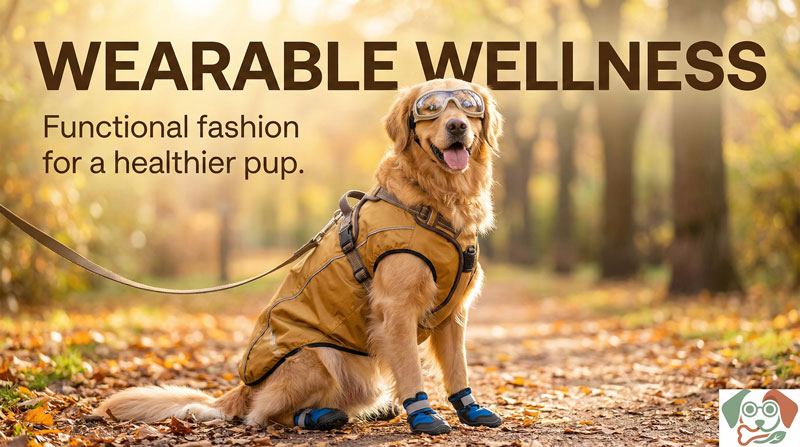
Snowsuit Safety: Keep Warm and Reduce Shedding on Summer Walks
Meta description: Learn safe, dog-friendly snowsuit use in summer to Stay Warm and curb shedding on Walks.
Quick Summary
- Choose breathable, well-fitting dog garments designed for warm weather or light insulation.
- Fit matters: take measurements (neck, chest, back) and test fit with two fingers’ space.
- Introduce any coat gradually, with short practice sessions at home first.
- Plan walks for cooler parts of the day and check pavement heat; bring water.
- After walks, wash the coat and check your dog’s skin for any irritation.
- Apartment life and suburban routines differ; tailor use to your space and schedule.
- When in doubt, ask your vet or a certified trainer for guidance.
Why This Matters for Your Dog
Even in summer, some dogs benefit from a light, breathable snowsuit or coat. A properly chosen garment can protect sensitive skin, keep a comfortable level of warmth for dogs who chill easily, and help manage shedding by catching loose fur during walks. The goal is to support your dog’s comfort and safety, not to restrain movement or cause overheating. A calm, reward-based approach helps your dog learn to wear the coat without stress. Always prioritize your dog’s comfort and well-being on every walk.
Key Factors
- Temperature and heat risk: Summer Heat and hot pavement can overwhelm a dog quickly. Use light fabrics and restrict wear to cooler times or mild days.
- Coat type and shedding: Short-coated or senior dogs may feel cooler with light protection; double-coated breeds may shed more under a coat’s coverage. Regular brushing helps with shedding and skin health.
- Fit and material: Look for breathable fabrics, mesh panels, and easy closures. Avoid heavy insulation in hot weather.
- Activity and age: Young, active dogs can tolerate brief coat wear during cool mornings; older dogs or those with medical issues need extra caution.
- Environment: Apartments with air conditioning and elevator access differ from suburban yards and hills. Plan walks accordingly.
- Vet guidance: If your dog has skin issues, allergies, or heat sensitivity, check with a veterinarian before regular coat use.
Step-by-Step What To Do
1) Pick the right garment
– Choose a lightweight, breathable dog coat or “snowsuit” designed for warm weather or transitional seasons.
– Measure your dog: neck, chest girth, and back length. Use a soft measuring tape or flexible ruler.
– Check features: easy closures, no rubbing seams, and ventilation panels.
2) Fit and adjustment
– Fit rules: two fingers should fit between the coat and your dog’s body at the chest and belly.
– Ensure freedom of movement at shoulders and hips; check that the fabric won’t ride up.
3) Gradual introduction
– Start at home: 5–10 minutes on a short leash, reward with treats and praise.
– Increase gradually to 15–25 minutes on cooler days; always supervise.
4) Dress for the walk, not the entire day
– Use the garment only during the walk if it’s cooler outside or your dog is sensitive to cold.
– Plan shade breaks and avoid walking on hot pavement. If you can’t touch the concrete with your bare hand for 5 seconds, it’s too hot.
5) Hydration and sun safety
– Bring water and a collapsible bowl.
– Use a sun shade or walk in mornings/evenings when possible.
6) Grooming and shedding
– Brush your dog before and after wearing the coat to manage shedding.
– Pair with regular grooming tools suitable for your dog’s coat type.
– Wash the garment after use and air-dry completely.
7) Home routine and space
– Apartment dwellers: short, calm coat sessions inside the home can help acclimate your dog without hallway crowding.
– Suburban homes: use short outdoor tests before longer walks; consider crate training to help your dog feel secure when changing routines.
8) Park and crate considerations
– At the dog park, ensure the coat doesn’t hinder play. Remove it if your dog shows signs of overheating or discomfort.
– If you crate train, use the coat during brief, positive practice sessions so your dog associates it with safety and rewards.
9) Post-walk care
– Inspect for chafing, rashes, or irritated skin where the coat touched.
– Store or wash the coat properly; dry completely before the next use.
Mistakes to Avoid
- Using a heavy or non-breathable coat in warm weather; overheating is a real risk.
- Forcing your dog to wear the garment for long periods without breaks.
- Not checking for rubbing, especially under arms, chest, and belly; neglecting skin checks.
- Skipping hydration and shade on hot days.
- Assuming shedding is fully controlled by a coat; brushing and regular grooming play a bigger role.
When to Call a Vet or Certified Professional
- Your dog shows persistent coughing, gagging, extreme panting, dizziness, or confusion while wearing the coat.
- There are signs of skin irritation, rashes, hair loss, or redness that don’t improve after a few days of grooming.
- The dog has a chronic condition (age-related issues, heart or lung concerns) or you notice unusual shedding patterns or skin changes.
- If you’re ever unsure about how a garment affects your dog, consult your veterinarian or a certified professional for guidance.
Safety reminder: this article provides general tips and is not a substitute for professional veterinary advice. If you have health concerns about your dog, especially related to heat, skin, or coat, contact a veterinarian.
FAQs
- Can my dog wear a snowsuit in hot weather?
Use only lightweight, breathable options and limit wear to milder or cooler parts of the day. Stop if your dog shows signs of overheating. - How do I know the coat fits well?
Measure neck, chest, and back. A proper fit lets you fit two fingers under seams without gaps. - Will a snowsuit completely stop shedding?
No. Regular brushing and grooming help reduce loose fur; a coat can catch some fur during walks but isn’t a replacement for brushing. - How long should my dog wear the coat during walks?
Start with 5–10 minutes, then monitor how your dog responds. Increase gradually only if your dog remains comfortable. - Are cooling vests better than insulated snowsuits for summer?
Cooling or ventilated options are typically safer in warm weather. If you choose a coat, ensure it’s designed for heat and breathable. - What if my dog tries to scratch off the coat?
Use gentle, positive reinforcement and consider a different style or size. If scratching continues, consult a trainer or vet for alternatives.