
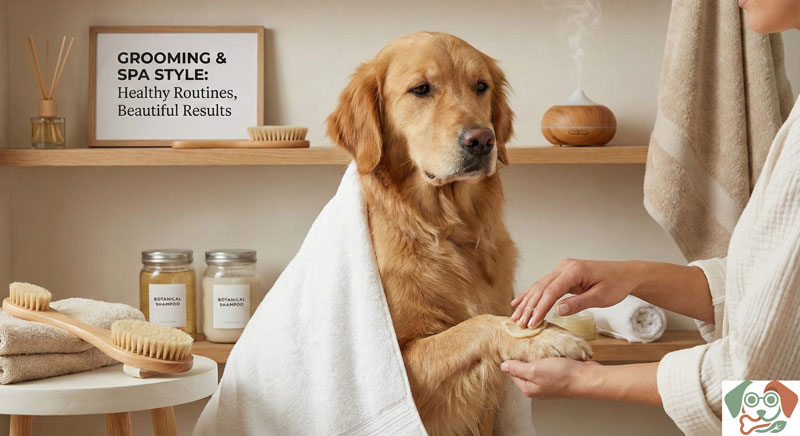
Meta description: Snood hygiene guide to Reduce snoring and keep long ears clean for dogs; practical steps for American homes.
Quick Summary
- A snood is a soft fabric cover that can shield a dog’s long ears from moisture, debris, and drool.
- Keeping ears clean and dry may support comfort at night and can reduce irritation that worsens snoring-like noise.
- Use humane, reward-based grooming routines tailored to apartment living or a suburban home with a yard.
- Pair snood hygiene with healthy sleep routines, regular vet checkups, and crate training for calmer nights.
Why This Matters for Your Dog
Long ears trap heat, moisture, and debris. That mix can irritate skin and invite odors or infections. When ears feel uncomfortable, dogs may scratch, shake, or sleep restlessly. Restful nights and calmer snoring-like sounds often improve when ears stay clean and dry. A well-fitted snood worn at appropriate times can help keep ears cleaner during meals, walks in damp weather, or park outings. This guide stays practical, beginner-friendly, and focused on routine, safe care you can do at home.
Common Factors
- Moisture buildup: After baths, swimming, or rainy walks, ears can stay damp inside long folds.
- Hair and debris: Matted hair around the ears collects dirt and can irritate skin.
- Allergies or infections: Seasonal allergies or lingering ear infections can cause itching and louder breathing noises.
- Sleep environment: A comfy, quiet sleep spot helps reduce night-time restlessness that might look like snoring.
- Habits and handling: Gentle handling and a predictable routine reduce stress that can aggravate snoring in sensitive dogs.
Step-by-Step What To Do
1) Choose and fit the snood
– Pick a breathable, machine-washable snood sized for your dog’s head and ears. Look for soft fabric and no tight elastic that pinches.
– Try it during calm training times first. Reward your dog with treats and praise for wearing it for short periods.
2) Establish a simple ear-cleaning routine
– Do a quick outside-the-ear check weekly: look for redness, odor, or discharge. If you see these signs, note them but don’t diagnose—call your vet.
– Use dog-safe ear wipes or a vet-approved solution. Wipe the outside of the ear flap and the visible ear canal opening; never insert objects deep into the canal.
3) Dry ears after moisture
– After baths, swims, or wet walks, gently pat ears dry with a clean towel. If your dog tolerates, use a soft, approved ear-drying wipe as recommended by your vet.
– Keep the snood handy for damp-weather outings to help minimize moisture contact with long ears.
4) Groom for comfort and cleanliness
– Comb or brush the ear hair and the area around the ear opening 1–2 times a week to Prevent mats.
– If hair around the ears grows long, maintain a safe trim around the ear opening or have a groomer help. Do not attempt aggressive trimming on your own.
5) Build a calm bedtime routine (apartment and suburban homes)
– Apartment life: designate a quiet crate or bed zone. A snood can stay on during the bedtime wind-down only if your dog is comfortable, not as a constant overnight requirement.
– Suburban homes: a routine that includes a short evening leash walk, then quiet time in a crate or bed helps reduce overall arousal before sleep.
6) Pair snood use with snoring-friendly habits
– Weight management and regular exercise can lessen snoring caused by body weight or poor airway health.
– Maintain a clean sleeping environment: cool, comfortable, and low-noise so your dog can settle easily.
– If your dog snores more at night, note it and discuss with your vet during a check-up. It may be a sign of a treatable issue, not a failing.
7) Prevent problems before they start
– Don’t use cotton swabs or sharp objects in the ear canal. Do not insert liquids unless a vet instructs you.
– If you notice persistent redness, swelling, discharge, or foul odor, schedule a vet visit promptly.
8) Training and rewards to support calm routines
– Use positive reinforcement to help your dog tolerate ear care and snood wear. Short, reward-filled practice sessions reduce stress.
– If a dog shows resistance, shorten the session and increase rewards. Patience and consistency matter more than speed.
9) Realistic home scenarios
– Apartment life: you may have limited space for a practice area. Use a small, predictable, and quiet corner for grooming and snood-wearing practice with a chew or treat.
– Suburban home with a yard: outdoor sniff breaks can be good, but moisture can be higher after rain. Have a quick ear-check kit ready in the mudroom to dry ears after outdoor time.
10) Vet and professional support
– Schedule regular wellness visits. Bring up any changes in ear odor, scratching, head shaking, or sleep quality.
– A certified groomer or veterinary tech can show you safe ways to maintain ear cleanliness at home.
Mistakes to Avoid
- Overcleaning or forcing cleaning beyond what your dog tolerates. Gentle routines win trust.
- Using human products, alcohol, or q-tips inside the ear canal.
- Letting ear issues go unchecked. Early attention is simpler and kinder.
- Rushing snood introduction. Build in small, positive sessions.
When to Call a Vet or Certified Professional
- Persistent ear redness, swelling, discharge, or foul odor.
- Recurrent head shaking, pawing at ears, or signs of pain.
- Sudden changes in breathing, persistent loud snoring, or changes in energy.
- If you’re unsure about the best products to use or how to fit a snood properly.
Safety note: This guide does not diagnose medical conditions or replace veterinary care. If you notice signs of illness, contact your veterinarian. For training and routine changes, use humane, reward-based methods and consult a professional if you need tailored guidance.
FAQs
Q: Will a snood cure snoring in dogs?
A: A snood helps keep long ears clean and dry, which may reduce some irritation that can accompany poor sleep. It is not a guaranteed cure. If snoring worsens, check with your veterinarian to rule out airway or allergy issues.
Q: Can I use baby wipes on my dog’s ears?
A: Only if they are specifically approved for dogs. Many human products aren’t suitable for canine skin. Use veterinarian-approved ear wipes and follow directions.
Q: How often should I clean my dog’s ears?
A: A light weekly check and cleaning as needed usually works for many dogs. If your dog has a history of ear infections, your vet may recommend a more tailored schedule.
Q: Do snoods cause ear infections?
A: Snoods themselves don’t cause infections when used properly. Ensure the snood fits well, is breathable, and is used in clean conditions. If you see redness or discharge, pause snood use and consult your vet.
Q: Is crate training compatible with snood use?
A: Yes. Safer, calmer crate experiences support better sleep. Introduce the snood during calm crate time and reward your dog for relaxed behavior.
Q: Can I use a snood indoors every night?
A: If your dog tolerates it and it seems to help with comfort and cleanliness, you can include it in a gentle nightly routine. Monitor your dog for signs of discomfort, and remove it if needed.
Closing thought: Snood hygiene is a practical, everyday part of caring for dogs with long ears. Pair clean ears with a healthy sleep routine, positive training, and regular vet care to support your dog’s comfort and nighttime peace. Small, consistent steps—tailored to your apartment or suburban home—bring real, gentle benefits for daily life with your canine companion.