
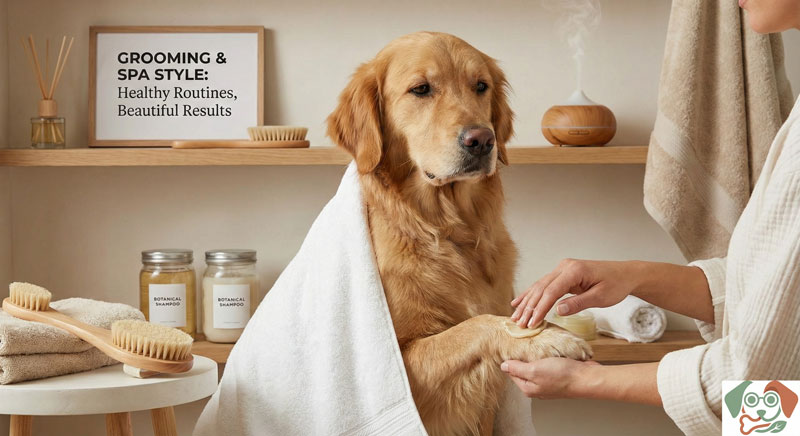
Title: Seasonal Coat Change: Reduce Yeast-Prone Ears with Grooming Plus Pumpkin Support
Meta description: Gentle grooming and pumpkin support to reduce yeast-prone ears in dogs during Seasonal Coat changes.
Quick Summary
- Seasonal coat changes can influence ear moisture and yeast growth.
- A simple routine—gentle grooming, careful ear care, and small pumpkin additions—helps.
- If ears stay red, smelly, or itchy, see your vet for guidance.
Why This Matters for Your Dog
Dogs can develop yeast-prone ears when moisture sticks around in the ear canal, especially during seasonal changes. Yeast loves warmth and dampness, so a regular, humane routine matters. A tidy coat, dry ears after baths or swims, and a splash of pumpkin in meals can support digestion and coat health. All of this fits into everyday life—from apartment living to suburban routines, crate training, daily walks, and park visits. The goal is simple: keep ears clean, dry, and comfortable with gentle, reward-based care.
Common Causes (Key Factors)
- Moisture trapped in ears after baths, swimming, or rain.
- Hair around the ear canal that traps moisture.
- Gentle itching from seasonal allergies or irritants.
- Digestive or skin imbalances that affect skin and ear health.
- Over-cleaning or using the wrong products can irritate fragile ears.
Step-by-Step What To Do
1) Set up a humane, beginner-friendly grooming routine
– Brush your dog weekly to keep the coat tidy and reduce loose hair near the ears.
– Check ears during brushing: look for redness, odor, or discharge.
– Use only dog-safe ear cleaners. Apply as directed, massage the base of the ear, then wipe away with a cotton ball. Do not insert objects deep into the ear canal.
– Reward your dog with praise or a treat after each step to keep grooming positive.
2) Dry ears after water exposure
– Gently pat ears dry with a clean towel after baths, rain, or swimming.
– If you use a hair dryer, keep it on the lowest setting and at a safe distance from the ear.
3) Pumpkin support in a practical, gradual way
– Choose plain canned pumpkin (not pie filling) as a small, regular addition to meals.
– Start with a tiny amount and increase slowly if your dog tolerates it, always watching for changes in stool.
– Use pumpkin as part of a balanced diet and discuss any big dietary changes with your vet, especially if your dog has weight concerns or food sensitivities.
4) Create routines that fit your home type
– Apartment living: short grooming sessions, quick ear checks at the start of each day, and a dry-to-wetch routine after any outdoor time.
– Suburban or larger homes: a regular stroll plus an ear-check and grooming window after outdoor play, plus a dedicated crate-training period for calm mornings and evenings.
5) Vet visits and routine care
– Schedule annual wellness checks and keep vaccines up to date.
– Bring up persistent ear redness, odor, discharge, swelling, or pain to your vet promptly.
– If you notice recurring ear issues, ask about ear cleaning products, seasonal skin care, or dietary adjustments that fit your dog.
6) Daily lifestyle integration
– Pair ear care with a daily routine: morning walk, evening cuddle, and crate time as part of a calm routine.
– Use dog-safe products and reward-based training to keep grooming a positive experience.
Mistakes to Avoid
- Using cotton swabs to poke into the ear canal.
- Over-cleaning or using human products in dogs’ ears.
- Skipping ear checks during seasons when ears are more prone to moisture.
- Ignoring changes in behavior or persistent odor, which can signal infection.
- Rushing pumpkin introduction or relying on it as a sole treatment.
When to Call a Vet or Certified Professional
- Ear redness, swelling, foul odor, or discharge persists beyond a few days.
- Your dog shows pain, head shaking, or rubbing ears excessively.
- There’s crusting, bleeding, or trouble hearing.
- Ear issues recur despite a basic home routine.
- You’re unsure about a cleaning technique or dietary changes.
Note: This article offers general information, not medical advice. For health concerns, please contact your veterinarian. If your dog has a known allergy, chronic skin issues, or a sensitive stomach, discuss any grooming or dietary changes with a professional.
FAQs
- Can pumpkin really help with ear health? Pumpkin can support digestion and coat health when used as part of a balanced diet. It is not a substitute for veterinary care for ear problems. Always check with your vet before making dietary changes.
- How often should I clean my dog’s ears? Clean ears as part of a regular routine, such as after water exposure or weekly during busy seasons. If ears are clear and dry, you may scale back to every other week, but watch for signs of moisture or odor.
- Are there dog-safe ear cleaners I should use? Yes. Use products labeled for dogs and follow the directions. If you’re unsure, ask your vet or a certified groomer for brand recommendations.
- Is crate training related to ear care? Positive crate training can support overall routines, including time for grooming and quiet ear checks in a low-stress environment.
- What if I see recurring ear problems? Track patterns (season, activities, foods) and discuss them with your vet. A targeted plan may involve grooming tweaks, diet changes, or allergy management.
If you’re new to dog care, you’re doing a wonderful thing by learning. Small, consistent steps—gentle grooming, proper ear care, and a touch of pumpkin—can make a real difference in ear comfort and overall well-being.