
Seasonal coat change: Reduce tear stains with grooming plus turkey support
Meta description: Simple grooming plus turkey-friendly nutrition help seasonal coat changes and tear stains for dogs. Practical tips for American homes.
Quick Summary
- Seasonal coat shifts can bring more tear staining and shedding.
- A gentle grooming routine and eye-area care help reduce stains.
- Safe, plain turkey can support your dog’s nutrition when used with vet guidance.
- Realistic steps fit apartment living and suburban homes, with Crate Training and daily routines.
- Always prioritize humane, reward-based training and regular vet checkups.
Why This Matters for Your Dog
Seasonal changes bring thicker undercoats and more eye moisture. Left untreated, tear staining can irritate the skin around the eyes and cheeks. A steady grooming routine keeps fur from matting and helps you spot issues early. Adding a simple, turkey-based protein option can support coat condition when used safely, alongside good overall nutrition. This approach is practical for busy households—from apartments with limited space to homes with yards—without shaming or pressure.
Common Causes (Key Factors)
- Seasonal shedding and undercoat growth.
- Hair around the eyes growing long and trapping moisture.
- Tear duct irritation from allergies, dusty environments, or dental health.
- Diet and digestion impacting coat quality and tear staining.
- Infrequent brushing or improper eye-area cleaning.
- Skin sensitivity from environmental factors (pollens, indoor air).
Step-by-Step What To Do
1) Create a simple, consistent grooming routine
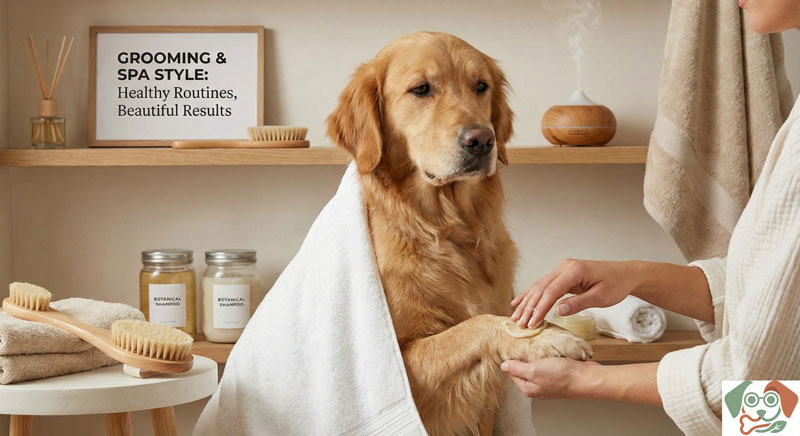
– For all homes: brush your dog 3–5 times a week, 5–10 minutes per session, focusing on the back, sides, and the face. Short, frequent sessions beat long, infrequent ones.
– Use a gentle dog brush appropriate for your dog’s coat length. Short-haired dogs may need less brushing; long-haired dogs benefit from daily attention during seasonal shedding.
– Check the eye area during brushing. If fur covers the eyes, gently trim the hair away from the lashes with blunt-nose dog scissors or seek a groomer’s help. Keep the trim conservative.
2) Clean the eye area safely
– Use dog-safe eye wipes or a damp cloth with warm water. Wipe from the inner corner outward, using a fresh section of the cloth each pass.
– If tear staining is persistent, note color and smell. Talk to your vet if you notice unusual discharge or redness.
3) Bathe and dry with care
– Bathe as needed, typically every 4–6 weeks or when the coat looks dull or dirty. Use a mild, dog-specific shampoo and rinse thoroughly.
– Dry gently with a towel; avoid rubbing hard. A hair-dryer on low heat can be used if your dog tolerates it.
– After bathing, brush again to reduce tangles and help coat lay flat.
4) Nutrition and turkey support
– Turkey can be a lean protein option when cooked plainly (no salt, no onions, no garlic).
– Serve small, plain portions mixed into meals or as a low-fat topper if your vet approves. Introduce gradually over 5–7 days.
– Watch for changes in stool, weight, and energy. If your dog has dietary restrictions, pancreatitis risk, or obesity, consult your vet before adding turkey.
– Avoid bones, skin with fat, seasoning, or fried turkey. Make sure any turkey is fully cooked and boneless.
5) Fit the plan to your home type
– Apartment routines: short, frequent outdoor potty breaks plus a 10-minute grooming session at home after a walk. Keep grooming tools in a small basket by the sink.
– Suburban homes: a longer outdoor walk in the morning can help with shedding and eye cleanliness. Use a brush with the dog outdoors if you have a yard.
6) Support healthy routines beyond grooming
– Crate training can create a calm space for your dog and helps with consistent routines around meals, grooming, and bedtime.
– Regular veterinary checks every 6–12 months (or as recommended) help monitor eyes, skin, and Coat Health, and dental health can influence tear production.
– Exercise and mental stimulation reduce stress that can affect coat quality and tear staining.
7) Gentle, humane training reminders
– Reward-based training: praise, petting, and treats when the dog cooperates with grooming or eye-cleaning.
– Keep sessions short and positive; end on a calm note with a favorite toy or treat.
– If your dog dislikes eye care, break tasks into small steps and pair each step with a reward.
Mistakes to Avoid
- Over-bathing too often or using human shampoo near the eyes.
- Using products not designed for dogs around the eye area.
- Forcing grooming; instead, reward calm behavior and proceed slowly.
- Giving bones or fatty turkey skin that could upset the stomach or cause pancreatitis.
- Ignoring persistent tearing, redness, or swelling; these may require veterinary care.
When to Call a Vet or Certified Professional
- Tear staining with persistent redness, swelling, pus, or a bad odor.
- Eye discharge that changes color or thickness, or if your dog rubs at the eyes often.
- Seasonal coat changes accompanied by itching, hair loss, or new lumps.
- Digestive issues after adding turkey or other new foods.
- If you’re unsure about a safe dosing or feeding approach for your dog’s diet, especially with medical conditions.
Vet disclaimer: This article offers general tips and is not medical advice. Please consult your veterinarian for personalized guidance, especially before changing diets or adding new foods like turkey.
FAQs
-
Q: Can tear stains go away completely?
A: They can lessen with consistent grooming, eye care, and balanced diet, but some dogs may always show some staining due to genetics or anatomy. Regular maintenance helps a lot. -
Q: Is turkey safe for dogs?
A: Plain, cooked turkey without bones or skin can be a safe protein option for many dogs. Introduce gradually and consult your vet if your dog has medical concerns or dietary restrictions. -
Q: How often should I groom for seasonal shedding?
A: Brush 3–5 times per week during shedding seasons. Daily brushing helps reduce mats and keeps the coat healthy. -
Q: Are home remedies for tear stains recommended?
A: Gentle eye-area cleaning with dog-safe products is okay. Avoid home remedies with strong chemicals near the eyes and talk to your vet about any persistent staining. -
Q: Do puppies need different routines?
A: Puppies benefit from shorter, gentler sessions and slow habit-building. Start with brief grooming and eye care, then gradually increase as they acclimate. -
Q: When should I involve a professional groomer?
A: If brushing is difficult, fur around the eyes is lengthy and irritates the dog, or you notice mats or skin issues that you can’t safely address at home.
If you’d like, I can tailor this plan to your dog’s breed, coat type, and your specific living situation (urban apartment, suburban home with a yard, or a shared living space).