
Meta description: Seasonal Coat changes and weight control: practical grooming tips and kefir probiotics for dogs.
Quick Summary
- Keep coat changes seasonal by brushing, detangling, and gentle bathing as needed.
- Use grooming time as daily exercise to help curb obesity.
- With vet approval, consider small amounts of kefir probiotics to support gut health.
- Create simple routines for apartment living or suburban homes, including walks, crate training, and park visits.
- Monitor portions, activity, and skin health; adjust as seasons shift.
Why This Matters for Your Dog
Seasonal coat shifts often come with changes in activity and appetite. Grooming helps with shedding, skin health, and comfort. When a dog carries extra weight, it strains joints and heart, and can affect Coat Shine and energy. Gentle kefir probiotics may support gut health, which can influence appetite and digestion. This combination—cozy grooming plus smart feeding and exercise—can help your pup stay comfortable, lean, and happy as seasons change.
Common Factors
- Coat cycles: Dogs shed more in spring and fall; mats can trap debris and affect skin.
- Activity shifts: Colder or hotter weather can cut outdoor walks short.
- Diet shifts: Holiday treats or larger meals can creep in unintentionally.
- Environment: Apartments may require shorter, more frequent play bouts; homes with yards can still need structured routines.
- Health checks: It’s a good time for a quick vet visit to ensure coat, skin, and weight are on track.
- Probiotics: Gut health supports digestion and appetite; kefir is one option to discuss with your vet.
Step-by-Step What To Do
1) Start with a simple grooming routine. Brush your dog 5–10 minutes daily, focusing on the current coat. Use a gentle brush for short hair, a wide-tooth comb for longer coats. This helps remove loose fur and stimulates circulation.
2) Build a practical, season-friendly schedule. If you live in an apartment, plan two 15–20 minute activity blocks daily plus a short crate-time snack routine. If you’re suburban, add one longer outdoor walk (20–40 minutes) and a sniff-and-play session in a safe yard or dog park.
3) Use grooming as gentle exercise. Combine brushing with slow, deliberate movements and light handling of legs, paws, and ears. This boosts movement and reduces stiffness in older dogs.
4) Talk to your vet about kefir and probiotics. If your vet approves, start with a small amount of plain, unsweetened kefir (lactose-free options may be best). Mix a tiny portion into a meal and watch for GI changes over 3–7 days. Do not exceed the vet’s guidance.
5) Introduce a steady weight plan. Measure meals with a cup or kitchen scale. Replace high-calorie treats with low-calorie training rewards like small pieces of fruit-safe produce or lean jerky. Increase activity gradually to avoid injury.
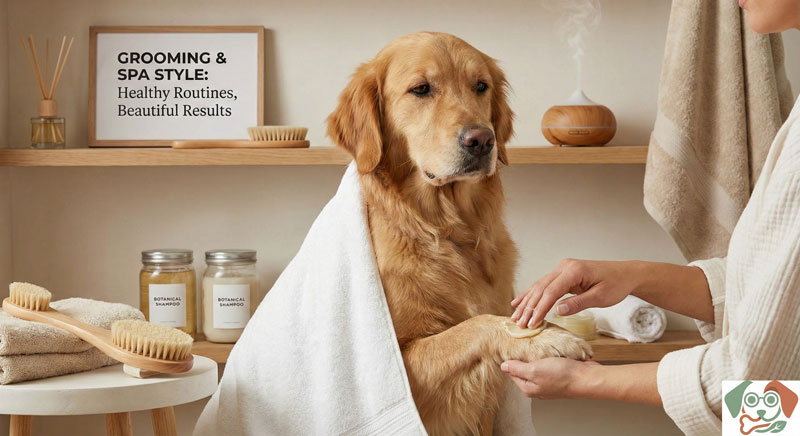
6) Create a coat-care kit. Include a mild pet shampoo, a detangling spray if needed, a soft towel, and pet-safe wipes for quick cleanups after outdoor adventures. A routine bath isn’t always necessary, but use as needed for odor, oil buildup, or mats.
7) Make crate time part of daily life. Use crate training to structure meals and quiet rest. A calm crate can help prevent overeating and provide a predictable routine, especially in apartments.
8) Plan seasonal adjustments. As seasons shift, adjust exercise timing (cool mornings or evenings in heat), hydration, and indoor play opportunities to keep activity consistent.
9) Schedule routine vet care. A quick check for weight, coat condition, and skin health helps catch issues early. Bring questions about supplements, grooming needs, and exercise plans.
10) Keep it humane and reward-based. Praise and reward your dog for calm behavior during grooming and training. Use enrichment like treat-dispensing toys during quiet crate time and sniffing workouts to maintain mental energy.
Mistakes to Avoid
- Overfeeding on cold or rainy days just because you’re indoors—stick to measured portions.
- Skipping grooming or bathing when shedding spikes; mats can irritate skin.
- Forcing intense exercise in extreme weather; opt for shorter, safer sessions.
- Assuming kefir is a cure-all; discuss any probiotic Plan with your vet first.
- Using human foods or dairy beyond vet-approved amounts; dairy can upset some dogs’ stomachs.
- Ignoring signs of GI distress, skin irritation, or changing appetite; address these with a vet.
When to Call a Vet or Certified Professional
- Sudden weight gain or loss, persistent coughing, vomiting, or diarrhea.
- Severe itching, skin redness, or hair loss that doesn’t ease.
- Lethargy or refusal to move after activity.
- Concerns about probiotics, kefir, or any supplement—especially for puppies, seniors, or dogs with health conditions.
- If you’re unsure about the right grooming tools for your dog’s coat type or if mats are too tight to brush safely.
Note: This post does not replace professional medical advice. If your dog has health issues or is on medication, consult your veterinarian before changing diet, adding kefir, or starting any new supplement. Training should emphasize humane, reward-based methods and gradual, positive progress.
FAQs
- Will kefir help my dog’s weight? Probiotics and gut health can support digestion, which may influence appetite and weight when used with a vet-approved plan. It’s not a guaranteed fix, and vet guidance is essential.
- How much exercise does my dog need? It varies by breed, age, and health. Aiming for 20–60 minutes daily, broken into one or two sessions, works well for many dogs. Adjust for weather and energy level.
- Can I use human probiotics? Some are safe, but many are not formulated for dogs. Always check with your vet before giving any probiotic product.
- Is brushing enough for coat care? Brushing helps a lot, but you may need detangling tools or professional grooming for mats, especially in longer coats.
- How often should I bathe my dog? Bathing every few weeks is common, but frequency depends on coat type, skin health, and activity. Use a gentle, dog-safe shampoo.
- Are there risks with kefir? Dairy-based kefir can upset some dogs’ stomachs. Start with small amounts if approved by your vet and monitor for GI signs like gas, loose stool, or vomiting.
- How do I transition to a new routine? Introduce changes gradually—add 2–3 minutes of brushing or a brief walk at a time, then build up. Positive reinforcement helps with consistency.
This season, a gentle grooming routine plus thoughtful nutrition can support your dog’s coat, energy, and comfort. With Vet guidance, kefir probiotics may be a helpful addition to a balanced plan. Start small, stay consistent, and celebrate every calm, happy step with your pup.