
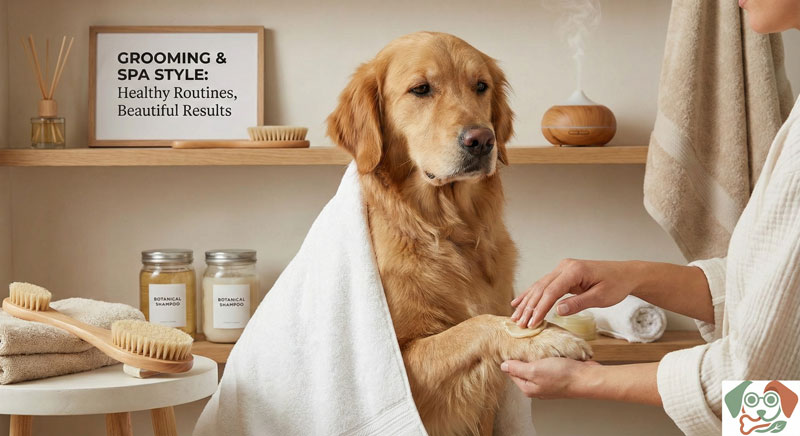
Salon vs home grooming: Which helps loose stools more and keeps the style intact
Meta Description: Salon vs home grooming for dogs with loose stools—practical tips to stay clean and keep a good style while you seek vet care.
Quick Summary
- Diarrhea or loose stools are health issues. Grooming cannot cure them, but it can help with cleanliness and comfort.
- Home grooming gives control and saves money, but a messy backdrop can be harder to manage.
- Salon grooming offers thorough cleaning and a professional touch, which can reduce stress and keep fur neat if your dog is uncomfortable at home.
- For the best outcome, focus on veterinary care first. Grooming can support hygiene and style once your dog is stable.
- Use gentle, reward-based methods. If in doubt, ask a certified professional for help.
Why This Matters for Your Dog
A clean coat helps dogs feel comfortable, especially when stools are loose. Messy fur around the hindquarters can irritate the skin and cause more stress. A calm grooming routine supports your dog’s mood and daily life—whether you live in an apartment, a suburban home, or a busy park-filled routine. Keeping the style intact matters for many dogs who enjoy a neat look for walks, parks, and visits with family.
Common Causes (Key Factors)
- Sudden diet changes or new treats
- Stress from a move, boarding, or changes in routine
- Infections, parasites, or antibiotic side effects
- Overripe foods or table scraps
- Undiagnosed health issues
Note: This section is for awareness. If you notice persistent diarrhea, vomiting, lethargy, or dehydration, contact a veterinarian promptly. This post is not medical advice.
Step-by-Step What To Do
A. If you’re grooming at home during loose stools
– Set up a calm space. Use a non-slip mat, a towel, and a shallow tub or sink if possible.
– Wear gloves and use dog-safe wipes for quick cleaning around the hind area. Be gentle; avoid pulling fur.
– Brush lightly first to remove loose hair and any stool clumps. Use a damp cloth or dog wipes to wipe away residue.
– Bathing: only bathe if your dog is stable, eating, and drinking normally. Use lukewarm water and a mild dog shampoo. Rinse well to remove all soap, then dry with towels and a low-heat setting if you use a dryer. A cool blow-dry can help, but don’t overheat the skin.
– Post-bath care: keep the coat dry and clean. Use a clean towel on furniture and floors to avoid messes. Watch your dog’s skin for irritation.
– Schedule a vet check if stools stay loose beyond 24–48 hours or if you see blood, vomiting, or signs of dehydration.
– For apartment living: plan grooming sessions near a bathroom or laundry area to minimize mess. Use a portable dog bath or a sink with a splash guard if possible.
– For suburban homes: you may have more space for a dedicated grooming area. A small, washable mat and a drain can be helpful.
B. If you’re considering a salon visit
– Call ahead. Tell the groomer about loose stools and any signs of illness. Ask about their cleaning practices and whether they can help with fur around the hind area.
– Bring any medical notes if your vet has given guidance (without needing to share sensitive details).
– Sit with your dog in a calm way before the appointment. Short, positive sessions teach your dog that grooming is safe.
– After the visit, monitor your dog. If the stool issue continues, keep appointments infrequent until your vet says it’s okay to resume a regular grooming schedule.
– For apartment dweller convenience: a mobile groomer or a local grooming salon near your complex can save travel time. Ask about curbside intake to reduce stress.
C. Routine ideas that fit U.S. living situations
– Apartment life: short daily walks, a consistent feeding schedule, and a quick wipe-down after meals can help. Use a grooming routine once the stomach is more settled.
– Suburban life: a longer daily routine with a weekly grooming check can work well. If your dog enjoys outdoor time, plan grooming after outdoor days to minimize mess.
Safety reminders
– Do not diagnose or medicate. If you’re unsure, contact a vet.
– Avoid harsh products or human shampoo. Use products specifically made for dogs.
– If your dog shows signs of pain or distress during grooming, pause and reassess.
Mistakes to Avoid
- Bathing a dog with severe dehydration or vomiting without veterinary guidance.
- Using human shampoo or strong cleaners on sensitive skin.
- Forcing your dog to stay for a grooming session if they’re very stressed.
- Shaving the coat too short, which can lead to skin sensitivity and discomfort.
- Waiting too long to seek veterinary care when stools are persistently loose.
When to Call a Vet or Certified Professional
- Diarrhea lasts over 24–48 hours.
- You see vomiting, lethargy, or signs of dehydration (dry gums, sunken eyes, skin that stays tented).
- There is blood in the stool or stool color is unusual.
- Your dog is very young, elderly, or has a chronic disease.
- You’re unsure whether to groom now or wait for the illness to pass. A vet can guide you.
For grooming-specific concerns, you can also ask a certified professional groomer for safe, humane methods to keep fur tidy during illness.
FAQs
- Q: Can a salon really help keep the style intact if stool is loose?
A: Yes, a professional can thoroughly clean fur, manage mats, and style while ensuring your dog remains comfortable. They can also give you tips for home care. - Q: Is it safe to bathe a dog with loose stools?
A: It can be safe if the dog is stable, hydrated, and not showing other illness signs. Use a mild dog shampoo, lukewarm water, and ensure thorough drying. - Q: What should I tell a groomer if my dog has diarrhea?
A: Be honest about the stool issue, any medications, and whether your dog is eating or drinking normally. Share any vet instructions you’ve received. - Q: How often should I groom a dog that has had loose stools?
A: Regular brushing helps with coat care. If stools are frequent, you may choose shorter, gentler sessions and focus on cleaning rather than a full groom until your dog improves. - Q: How can I keep my dog’s coat tidy over time?
A: Maintain a consistent brushing routine, wipe down after meals, and bathe as recommended by your vet or groomer when the stool issue has improved.
If you’re unsure about what to do next, start with a quick vet check to understand the reason for the loose stools. Then choose a grooming approach—home or salon—that fits your dog’s mood, your space, and your budget. With a calm plan, you can keep your dog comfortable, clean, and looking great—whether you live in a cozy apartment or a sunny suburban home.