
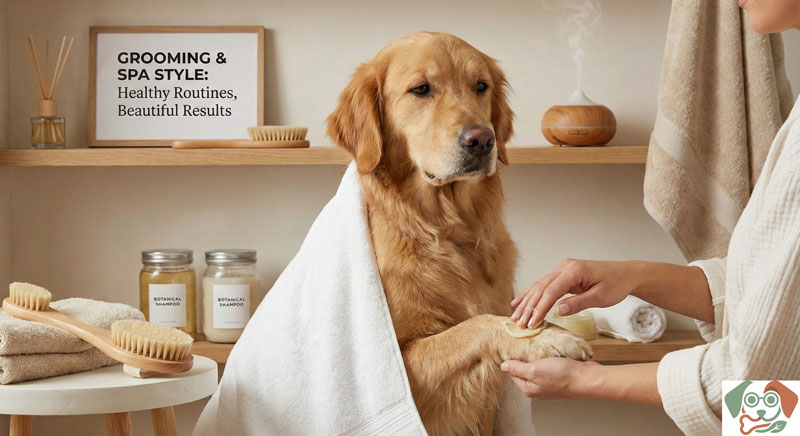
Salon vs home grooming: Which helps gas and bloating more and keeps the style intact
Meta description: Salon vs home grooming: discover which option best supports your dog’s comfort and coat health while reducing stress-related gas and bloating.
Quick Summary
- Gas and bloating in dogs are usually linked to digestion, eating speed, stress, and overall health—not just grooming.
- Home grooming tends to be calmer for anxious dogs and lets you control products and routine; it may help reduce stress-triggered GI upset.
- Salon grooming can keep certain coats perfectly styled and may be easier for dogs with heavy mats or special grooming needs, but the new environment can stress some dogs.
- The best choice depends on your dog’s temperament, coat, routine, and your lifestyle. A mix—regular home brushing with periodic professional trims—often works well.
Why This Matters for Your Dog
Grooming touches many daily habits you already manage: meals, exercise, crate time, and vet visits. Stress from grooming can influence digestion in sensitive dogs, so choosing a grooming plan that minimizes worry matters. Keeping a steady routine, brushing away loose fur, and using gentle products supports skin health and can reduce itching or chewing that might lead to GI upset. Whether you’re in an apartment or a suburban home, a clear plan helps your dog stay comfy, clean, and calm.
Common Causes (Key Factors)
- Gas and bloating pilots: eating too fast, eating before exercise, overeating treats, or dietary changes.
- Stress and anxiety: unfamiliar environments, loud noises, new people, or car rides to a salon.
- Grooming products: scented shampoos or residues can irritate the skin or be licked off.
- Health issues: infections, allergies, or other GI problems require vet care.
- Hair and skin care: mats or heavy shedding can cause discomfort that affects how a dog eats or grooms themselves.
Note: This article focuses on care and safety. It is not a medical diagnosis. If you notice persistent gas, bloating, vomiting, or a visibly swollen abdomen, contact your veterinarian promptly. For health questions, consult your vet before changing foods, medications, or grooming routines.
Step-by-Step What To Do
1) Assess your dog’s temperament and coat
– Is your dog calm with familiar people and spaces, or is novelty stressful?
– Short coats or long coats? Do you have quick access to mats that need regular care?
– Apartment life with limited space or a house with a yard? This affects scheduling and setup.
2) Build a grooming plan
– If you choose home grooming: set up a dedicated, quiet area, use dog-safe shampoo, and pick tools suited to your dog’s coat (bristle brushes for short coats; slicker brushes plus combs for long/curly coats).
– If you choose salon grooming: look for a groomer who is gentle with anxious dogs, ask about their approach to stress reduction, and see if they offer a calmer option (quiet room, one-on-one time).
3) Create a calm grooming routine at home
– Start with short sessions: 5–10 minutes, several days a week.
– Use treats and praise to reward calm behavior.
– Introduce grooming tools gradually; let your dog sniff first, then touch, then touch with tool near them.
– Bathe only as needed to avoid stripping natural oils; rinse thoroughly and dry completely.
– Keep water warm, not hot, and never leave your dog unattended on a high table.
4) Plan around meals and activity
– Feed smaller, slower meals, spaced through the day to prevent bloat risk.
– Avoid heavy exercise just before or after meals.
– Use a slow-feeder bowl if your dog tends to gulp food.
5) Manage stress around salon visits
– If you try a salon, acclimate first: visits to the lobby without grooming, short stays, bring a familiar toy or blanket.
– Schedule during quieter hours and avoid extreme fatigue days.
– Bring a scent item or your dog’s favorite treat for comfort.
6) Coat and skin care checks
– After brushing, check for hotspots, irritated skin, or signs of allergies.
– Rinse shampoos completely to prevent lick-back, which can irritate the stomach if swallowed.
7) Monitor GI signs after grooming
– Watch for changes in appetite, gas frequency, or bloating.
– If you notice persistent symptoms, consult your vet to rule out health issues.
Mistakes to Avoid
- Forcing grooming when your dog is overwhelmed; pushy sessions raise stress and may worsen digestion.
- Using human shampoos or scented products; these can irritate skin and lead to licking and GI upset.
- Skipping breaks or sessions that are too long for your dog’s attention span.
- Skipping regular brushing if you rely only on baths at the salon; mats can worsen stress and discomfort.
- Rushing through grooming and missing safety basics (nails, ears, teeth).
When to Call a Vet or Certified Professional
- If your dog shows persistent, excessive gas, bloating, vomiting, pain, or a distended abdomen.
- If GI symptoms appear after grooming or bathing and don’t improve within 24–48 hours.
- If you notice weight loss, poor appetite, diarrhea with blood, or dehydration.
- For concerns about anxiety or behavior during grooming, a certified trainer or veterinarian can help with humane, reward-based plans.
Vet disclaimer: This post provides general guidance and is not a substitute for professional medical advice. For health questions or concerns, please contact your veterinarian.
FAQs
-
Can grooming cause gas or bloating?
Grooming itself isn’t a medical cause of gas, but stress from grooming can trigger GI upset in sensitive dogs. Gentle, gradual exposure and a calm routine help. -
Which is better for anxious dogs: salon or home grooming?
Many anxious dogs do best with home grooming and a familiar routine. Some dogs benefit from occasional salon visits when done thoughtfully with acclimation. -
How can I acclimate my dog to a salon?
Begin with visits without grooming, stay short, bring a favorite toy or blanket, and choose a quiet time. Reward calm behavior and discuss anxiety-reduction steps with the groomer. -
How often should I groom my dog?
This depends on coat type and activity. Short coats may need brushing 2–3 times weekly and baths every 4–8 weeks. Long or thick coats often need more frequent brushing and professional trims every 6–8 weeks. -
Can I use human shampoo on my dog?
No. Human products can irritate a dog’s skin. Use veterinarian-approved or dermatologist-recommended dog shampoos, and rinse thoroughly. -
Should grooming be done before or after vet visits?
If a vet visit is for a health check, grooming can be scheduled around it. If your dog is anxious at clinics, a calm grooming routine at home can help them feel more secure before travel. -
How does crate training help grooming?
Crate training creates a safe, predictable space for grooming sessions at home, reducing stress and making brushing, baths, and nail trims easier over time.
If you’re a first-time dog parent or juggling a busy schedule, start with small, gentle steps. Your dog’s comfort, coat health, and GI well-being benefit from a steady routine, a calm environment, and choices tailored to your dog’s unique needs. A thoughtful mix—consistent home brushing with periodic professional trims—often gives you the best balance of a relaxed pup and a stylish coat.