
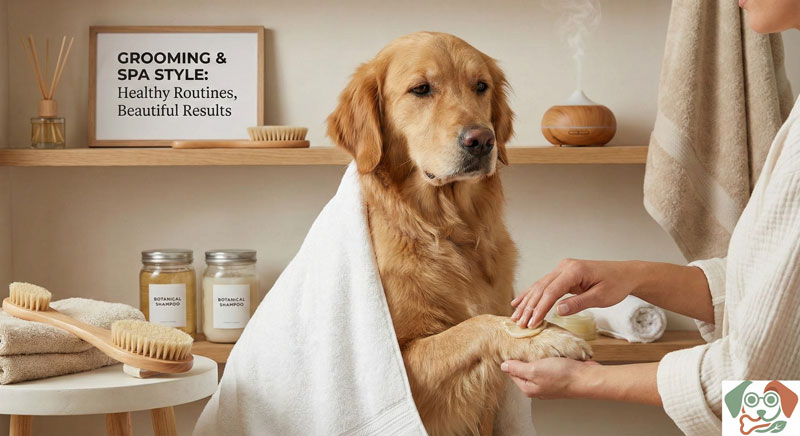
Meta description: Post-grooming nausea in dogs? Try calming outfits and simple nutrition tweaks at home.
Quick Summary
- A snug, breathable dog shirt or calming wrap can ease post-grooming nerves and itch.
- Start with water, then a small bland meal; keep portions tiny and frequent.
- Create a calm post-groom routine: quiet space, gentle contact, short leash walks.
- If symptoms persist or worsen, contact your veterinarian.
Why This Matters for Your Dog
Grooming can be stressful for many dogs. Stress can trigger nausea, excess drooling, or itching as the coat and skin adjust to new smells and sensations. A calm outfit, simple nutrition tweaks, and a predictable routine can help your dog feel safe and comfortable at home. This matters because a quick, gentle approach reduces the risk of dehydration, sends a clear signal that grooming is a good experience, and supports your dog’s daily happiness.
Common Causes (Key Factors)
- Stress from handling, unfamiliar smells, or car rides to the groomer.
- Hair and soap residues that irritate the skin or mouth if licked.
- A sensitive stomach, especially after a long or rushed grooming session.
- Temperature shifts or a big change in routine right after grooming.
- Lingering anxiety that makes a dog want to lick or nibble at the groomed area.
Step-by-Step What To Do
Step 1: Create a calm post-groom space
– Apartment: Set up a quiet corner in the living room with a soft bed, a low-volume fan, and a familiar blanket. Dim the lights for 20-30 minutes after you return.
– Suburban home: Move to a calm room with a crate or a secured bed, away from loud noise. Consider a soft, breathable crate mat. A small playlist of calm dog-approved sounds can help.
Step 2: Try a soothing outfit
– Why an outfit? A snug, breathable wrap or shirt can help some dogs feel secure and prevent over-licking of groomed skin.
– How to fit it: Measure around the chest just behind the front legs. The shirt should be snug but not tight, with no binding at the neck or belly. Check that your dog can breathe, drink, and move comfortably.
– How to use it: Put the wrap on for 15-30 minutes after grooming, then remove and observe your dog. If your dog shows signs of discomfort, take it off and try again later or skip the outfit.
– Real-life note: If your dog is heat-sensitive or dislikes clothing, skip the outfit and focus on a calm environment and gentle reassurance instead.
Step 3: Hydration and gentle nutrition
– Hydration first: Offer fresh, clean water in small amounts. Don’t force big sips if your dog is hesitant.
– Tiny, bland start: If your dog seems interested, offer a small portion of bland food after a short rest.
– Simple options (check with your vet before changing diets): boiled chicken (no skin or bones) with plain white rice, or a small quantity of your dog’s regular kibble if appetite returns. Feed in two or three small portions spread through the day.
– Avoid risky foods: no onions, garlic, fatty foods, dairy in large amounts, or human leftovers. Always use dog-safe options.
Step 4: Gentle activity and routine
– Short leashed walk: A 10- to 20-minute stroll in a familiar area helps burn excess energy and can ease nausea from stress. Keep a steady pace and watch for signs of fatigue.
– Quiet play: Low-key fetch or nose-work in a quiet room after the walk can redirect nerves toward positive sensations.
– Regular crate or bed time: If your dog is crate-trained, a calm crate session with a chew toy can be comforting.
Step 5: Grooming area care at home
– Rinse or wipe soap residue: If you suspect soap or shampoo residue, gently wipe the area with a damp cloth and dry softly. Avoid rubbing vigorously.
– Brush or detangle: A light brush can help remove loose hair and prevent itching from stray hairs rubbing against the skin.
– Check for irritation: If you notice redness, swelling, or signs of an allergic reaction, contact your vet.
Step 6: Build a predictable post-groom routine
– Keep to a consistent post-groom routine for at least a few days: quiet time, limited excitement, a small meal, a short walk, and a cozy bed.
– Use calm cues: soft voice, slow movements, and reward-based praise when your dog relaxes.
Step 7: Adapt for your home type
– Apartment routines: Short, frequent calm sessions plus a quick door-to-street walk keep noise and stress manageable.
– Suburban routines: A longer, gentle walk around the block after grooming can help your dog decompress and reset for the day.
Step 8: When itching is part of the issue
– If the dog itches around the groomed area, gently check for soap, fragrance, or irritation. Rinse if safe, and pat dry.
– If itching continues, consider a light unscented wipe or consult your vet about a gentle, dog-safe lotion or wash.
Mistakes to Avoid
- Forcing food or water when your dog shows clear signs of nausea or vomiting.
- Using human foods, fats, or spices to “tempt” your dog to eat.
- Punishing a anxious dog after grooming; instead offer calm reassurance and a predictable routine.
- Ignoring dehydration signs (dry gums, lethargy, or reduced skin elasticity).
- Giving meds or supplements without veterinary guidance.
- Skipping a vet visit when symptoms are persistent or worsening.
When to Call a Vet or Certified Professional
- Vomiting lasting longer than 24 hours, or repeated vomiting.
- Lethargy, confusion, or not drinking water for more than 12 hours.
- Diarrhea with blood or signs of pain, collapse, or fever.
- A new skin reaction, swelling, or a wound around any grooming site.
- If you’re unsure whether the post-groom symptoms are normal, or if a calming wrap or new diet doesn’t help within a day or two, seek veterinary advice.
Note: This post offers general guidance only. It does not replace veterinary care. If your dog has ongoing nausea, itching beyond mild irritation, or you suspect an allergy or illness, contact your veterinarian promptly.
FAQs
-
Can I use essential oils to calm my dog after grooming?
Some dogs react badly to essential oils. Avoid diffusers or topical oils unless your vet approves. Use safe, dog-friendly calming methods like a calm voice, gentle petting, and a snug wrap if advised. -
Is ginger safe to help nausea?
Ginger is sometimes suggested for dogs, but you should consult your vet before giving any supplement or new food. Dosages depend on your dog’s weight and health. -
How long does post-groom nausea usually last?
For many dogs, it’s short and resolves within a day or two with a calm routine and small meals. If it lasts longer or is severe, call your vet. -
Can I starve my dog after grooming to prevent nausea?
No. Do not starve your dog. Offer water and a small bland meal as soon as the dog is ready to eat. If vomiting or refusing water lasts more than a day, contact your vet. -
How can I tailor this for apartment vs. suburban living?
Apartments often need shorter, more frequent calm sessions and a quiet crate area. Suburban homes can offer a longer walk or yard time to decompress, plus a dedicated calm space inside. -
What about crate training after grooming?
Crate training can be very helpful. A crate is a safe space where your dog can rest, especially after grooming. Make it inviting with a soft bed, a favorite toy, and a treat reward for calm behavior. -
Should I call a professional if my dog still itches after grooming?
Yes. If itching is persistent, widespread, or associated with redness, swelling, or sores, a vet or certified groomer can help determine if there’s an allergy, skin issue, or reaction to grooming products.
If you follow these steps, you’ll have a practical, supportive plan to reduce post-grooming nausea and itching for most dogs. Remember to keep it gentle, observe your dog’s signals, and lean on your vet for any concerns. With a calm outfit option, mindful nutrition, and a predictable routine, grooming days can become smoother and more enjoyable for you and your dog.