
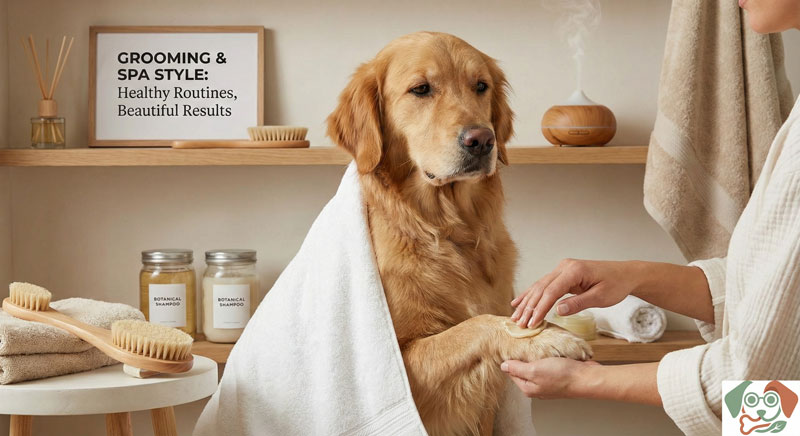
Grooming after the beach: Prevent stress and keep coats soft
Meta description: After a beach day, groom your dog to prevent stress and keep the coat soft. Easy steps for U.S. homes.
Quick Summary
- Sand, salt, and sun can irritate your dog’s skin and coat after a beach day.
- A calm, step-by-step grooming routine reduces stress and dries the coat gently.
- Tailor the routine to your home: apartment or yard, with crate routines and daily walks.
- Regular paw checks, ear care, and a quick coat brush keep coats soft and comfortable.
Why This Matters for Your Dog
Beach days are fun, but they also put extra stress on your dog’s coat and skin. Salt water can dry out fur and skin, sand can tangle fur, and sun can burn sensitive areas. A little post-beach grooming helps prevent mats, itchiness, and hot spots. It also gives you a chance to check for cuts, burrs, or pebbles between the toes. A calm grooming routine reduces fear or stress, especially for dogs who aren’t used to baths or brushing. A simple, reward-based routine fits any home, from small apartments to spacious yards.
Key Factors
- Sand and salt: These cling to fur and can irritate skin if left in place.
- Coat type: Long, curly, or double coats tangle more and need more brushing; short coats still need brushing to remove sand.
- Paw health: Sand and salt irritate paw pads; cracks and redness can occur.
- Ears and skin: Water and sand can irritate ears and skin if not dried properly.
- Stress level: Some dogs love the beach, others are unsure. A gentle, positive approach helps them stay calm.
Step-by-Step What To Do
Step 1 — Bring a water source and towel setup
– Have a clean towel or two ready. If you have a garden hose or a showerhead, keep it within reach.
– Bring a shallow tub or basin for rinsing if you don’t want to run water indoors.
Step 2 — Rinse with fresh water
– Rinse off the coat with lukewarm fresh water as soon as you safely can after leaving the beach.
– Focus on the paws, belly, chest, and legs first, then the back and tail. This helps remove salt and sand gently.
Step 3 — Gently pat dry and remove excess sand
– Use a microfiber towel or old cotton towel to blot the coat.
– Tilt the head slightly to prevent water from dripping into ears. Don’t rub too hard on delicate skin.
Step 4 — Brush in small sections
– For short coats: a soft-bristle brush works well to lift sand and debris.
– For medium to long coats: use a wide-tooth comb to loosen tangles, then a slicker brush to remove sand.
– Work from neck toward the tail, and from the legs up to the body. This reduces mat formation and keeps tangles from getting worse.
Step 5 — Check and groom the paws
– Look between the toes for sand, pebbles, or redness.
– If needed, rinse paws again and dry thoroughly.
– Apply a light dog paw balm if your dog’s pads look dry or cracked after beach days.
Step 6 — Clean ears and eyes
– Gently wipe the outer ear with a damp cloth. Never insert anything into the ear canal.
– Check for redness, discharge, or an odor. If you notice any, plan a vet check.
– Wipe around the eyes if there is dirt or sand; use a damp cloth and calm movements.
Step 7 — Optional quick bath if necessary
– If your dog’s coat still feels sticky or gummy from sunscreen or heavy salt, a short bath with a gentle dog shampoo can help.
– Use lukewarm water and a shampoo labeled for dogs. Rinse thoroughly to avoid residue.
– After bathe, repeat Steps 3–5 to dry, brush, and inspect.
Step 8 — Dry and reward
– Let your dog air-dry in a warm, draft-free spot or use a hairdryer on a cool setting if your dog tolerates it.
– Finish with praise and a favorite treat to reinforce a positive grooming session.
Step 9 — Routine for apartment vs. suburban homes
– Apartment: Create a small grooming corner with a mat, a low sink or tub, and a towel order. Do a quick rinse and brush after every beach trip to minimize mess.
– Suburban home with yard: Rinse and brush outdoors when possible, then move indoors for the final dry and coat brush. Use a crate or a cozy bed for a calm, quiet post-beach wind-down.
Step 10 — Frequency and scheduling
– If you go to the beach often, a quick post-beach brush (5–10 minutes) can prevent matting.
– Schedule a longer brushing session 1–2 times per week based on coat length and dog’s comfort.
– Consider tying grooming to a daily routine (after the morning walk) to make it predictable and less stressful.
Mistakes to Avoid
- Do not skip rinsing; leftover salt or sand can irritate skin and cause itching.
- Do not use human shampoo or products not made for dogs; it can cause dryness or irritation.
- Don’t rush the drying process; damp coats can lead to hotspots or chill, especially in cool weather.
- Avoid brushing too aggressively, which can scratch or irritate the skin.
- Don’t neglect ears and paw pads; moisture and debris can cause infections or irritation.
- Don’t force grooming on a stressed dog. Use short, positive sessions and rewards.
When to Call a Vet or Certified Professional
- If you see red, swollen, or bleeding skin, or persistent itching, aftercare should be checked by a vet.
- If your dog shows signs of heat stress during grooming (heavy panting, drooling, weakness), stop and cool down; contact a vet if symptoms persist.
- If you suspect an ear infection (odor, discharge, head shaking), seek veterinary advice.
- If your dog has a known skin condition or severe sensitivity to grooming products, consult your vet or a certified professional for a tailored plan.
Vet disclaimer: This article offers general tips and does not replace professional medical advice. If you have health concerns about your dog after a beach day, contact your veterinarian.
FAQs
Q: How soon should I groom my dog after a beach day?
A: Rinse and brush as soon as you can after leaving the beach. A quick post-beach routine reduces mats and skin irritation. A full brushing bath can wait until later if your dog is tired.
Q: Can I use human shampoo after a beach day?
A: No. Use a dog-specific shampoo. Human products can irritate canine skin and disrupt pH balance.
Q: My dog hates baths. Any tips?
A: Make it a short, positive experience with treats, praise, and a calm voice. Break the session into small steps, rewarding each successful step.
Q: What if my dog has a sensitive or itchy skin after the beach?
A: Gently rinse, dry, and brush. If itching persists, consult your vet; they may suggest a hypoallergenic dog shampoo or a medicated option.
Q: How can I prevent sand from getting into the crate or car?
A: Use a towel or mat at the door, wipe paws, and have a quick indoor rinse before entering the car or crate. Consider a fold-out mat in the car area to catch sand.
Q: Are certain coats more prone to beach damage?
A: Yes. Long, curly, or double coats tend to trap sand more than short, smooth coats. Regular brushing and timely baths help.
Q: Do I need to clip nails after a beach day?
A: Check nails for wear or rough edges; beach time won’t always shorten nails. If nails look long or you hear clicking on floors, trim or file as needed with pet-safe tools.
Your beach days can stay fun and carefree when grooming becomes a simple, calm routine. With a few minutes of brushing, rinsing, and paw checks after each outing, you’ll protect your dog’s coat and skin while keeping stress low. A consistent, reward-based approach makes grooming a positive part of daily life for any household, whether you live in an apartment, a suburban home, or a bustling park-filled routine.