
Paw pad rescue: Prevent stress before booties and long walks
Meta description: Gentle, practical guide to rescuing stressed paw pads and easing bootie prep for busy U.S. dog parents.
Quick Summary
- Healthy paw pads support every walk. If pads are dry, cracked, or sensitive, your dog will stress during walks and bootie wear.
- Start with gentle care at home, then introduce booties slowly. Use small, positive steps and consistent routines.
- Plan for apartment living and suburban life with simple habits, crate-friendly routines, vet check-ins when needed, and safe park time.
Why This Matters for Your Dog
Paw pads cushion paws, absorb shock, and help your dog grip surfaces. Stress on pads can lead to reluctance to walk, limp feet, or skin issues. Preparing pads and acclimating to boots reduces fear, pain, and resistance. A calm, predictable routine keeps walks enjoyable and safe, whether you live in an apartment or a house with a yard.
Common Causes (Key Factors)
- Dry, cracked pads from weather, low humidity, or indoor heating.
- Hot pavement or rough sidewalks, especially in summer.
- Salt, de-icers, or chemicals used in winter.
- Overexertion on hard surfaces or after long crate-free periods.
- Allergies or irritation from grass, plants, or grooming products.
- Age or medical conditions that reduce paw sensation or moisture.
- Nails too long or uneven pads can worsen discomfort.
Step-by-Step What To Do
1) Assess the pads regularly
– Do a quick visual check after walks. Look for cracks, redness, or bleeding.
– Gently press the pad to feel for tenderness. If there’s obvious pain, back off walking and consult a vet.
2) Clean and protect
– Rinse paws with lukewarm water after outdoor trips, especially in winter or beach trips.
– Pat dry and apply a small amount of fragrance-free, dog-safe moisturizer if the pads feel dry. Avoid lemon, tea tree, or strong scents.
– Inspect between the toes for lodged grit or splits.
3) Soften and massage
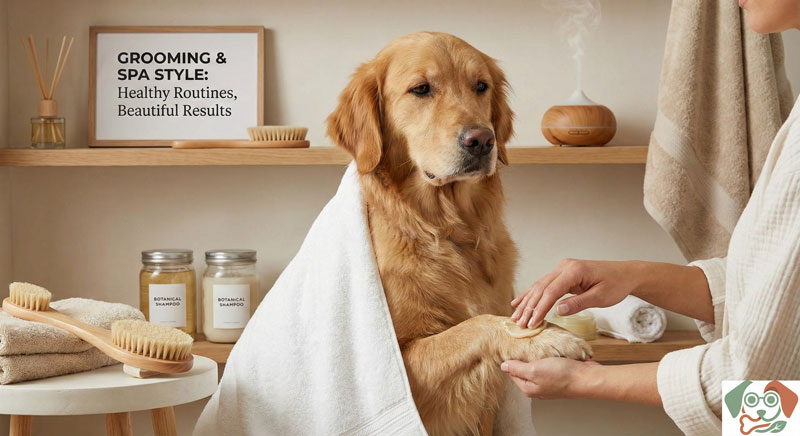
– Spend 1–2 minutes massaging each paw after a walk. Use slow, gentle strokes to boost blood flow and comfort.
– If your dog resists, break it into 15–20 second sessions during the day until they relax.
4) Desensitize to booties
– Choose soft, well-fitted booties designed for dogs and your climate. Start with one bootie on one paw to reduce overwhelm.
– Reward with tasty treats and praise for calm behavior, even just sniffing the bootie.
– Gradually add a second bootie, then both, across several short sessions. Keep sessions under 5–7 minutes.
5) Create a gradual walking plan
– Apartment life: start with very short indoor or hallway walks, then progress to short balcony or doorstep outings before venturing to common areas.
– Suburban life: begin on quiet sidewalks near home, then add short park loops once pads feel comfortable.
– Increase distance by 5–10 minutes weekly, watching for limping, tail tuck, or reluctance.
6) Build a routine that supports recovery
– Schedule daily paw checks before and after walks.
– Maintain consistent crate time for rest, especially after bootie sessions, so your dog can reset.
7) Choose appropriate gear
– Fit is key: booties should stay on briefly without slipping. Check fit around the ankles and between toes.
– For apartment wear, non-slip soles help balance on slick floors.
– In winter, pick insulating booties; in summer, breathable materials help prevent overheating.
8) Safety and conditioning in daily life
– Clip nails regularly so toes aren’t pinched inside booties.
– Use unused stairs and soft surfaces to build confidence gradually.
– If you use salt or chemicals outside, wipe paws when you return home.
Mistakes to Avoid
- Forcing booties or punishing reluctance. Use slow, positive exposure.
- Ignoring a cracked or bleeding pad; seek veterinary advice if signs persist.
- Using human lotions or scented products on pads.
- Rushing to long walks before pads are ready, especially with hot pavement or rough terrain.
- Skipping routine checks in busy weeks; consistency matters more than speed.
When to Call a Vet or Certified Professional
- Persistent cracking, bleeding, swelling, or limping after rest.
- Severe dryness that doesn’t improve with home care.
- Any sign of infection (pus, foul odor, warmth).
- If you notice changes in gait, weight gain, or apparent pain in joints.
- If you’re unsure about bootie fit or your dog has medical conditions (like diabetes or neuropathy).
Vet disclaimer: This post provides general care ideas. If you’re unsure about a symptom or the pad condition worsens, contact your veterinarian for guidance.
FAQs
- Can booties hurt my dog? They shouldn’t if they fit well and are used gradually with positive reinforcement. Start with short wear times.
- How long does it take to desensitize to booties? Many dogs need 1–3 weeks of light, repeated exposure, depending on their temperament.
- Are there apartment-friendly paw care routines? Yes. Short, frequent checks, indoor conditioning walks, and crate rest between outings help paws stay comfortable.
- What if my dog won’t wear booties? Focus on pad care and gradual exposure. Use rewards, comfy socks, or non-slip paw covers as stepping stones, always prioritizing humane, reward-based methods.
By following these practical steps, you can rescue tired paw pads, reduce walk stress, and help your dog enjoy booties and longer adventures—whether you live in a cozy apartment or a leafy suburban street.