
Quick Summary
Paw pad rescue starts with a simple, gentle daily routine. Pair it with easy, humane ear care to prevent itching before booties and long walks. This guide gives practical steps for apartment living, suburban yards, vet visits, dog parks, and crate training.
Meta description
Prevent itchy ears and rescue paw pads before long walks with humane, easy steps for every American home.
Why This Matters for Your Dog
Healthy paws and comfortable ears mean safer, more enjoyable walks. Addressing paw pads before they crack reduces injuries and slips on slick surfaces. Caring for ears helps prevent discomfort from itching that can lead to ear infections. Routine care fits any home—apartment, townhouse, or single-family home—and supports a calm, happy pup on leash, at parks, and during vacations.
Common Causes (Key Factors)
- Paw pads: dry air, cold or hot weather, rough pavement, salt or de-icers, allergies, or minor cuts from sticks. Domestic dogs often get small cracks from daily walks or crates pressed against rough floors.
- Ears: itching can come from allergies, yeast or mite growth, trapped moisture after baths or swimming, wax buildup, or irritation from irritants in parks or pools.
Step-by-Step What To Do
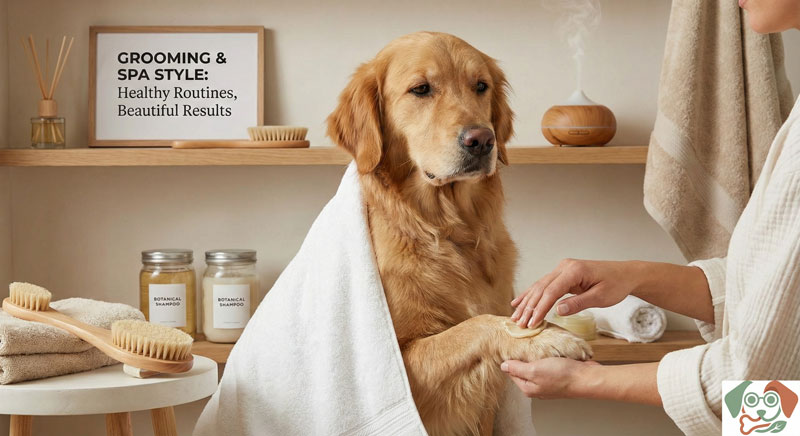
1) Inspect daily. After meals, before bedtime, check each paw pad for cracks, redness, or foreign objects. Look between toes for debris or burrs. If you see a crack, clean gently with a dog-safe wipe and apply a paw balm after drying.
2) Clean and moisturize. Use a vet-approved paw balm or ointment designed for dogs after walks or when paws feel dry. Avoid human lotions. If you see redness or odor, note it for a vet visit.
3) Protect with booties. Start indoors to help your dog feel the fit. Put them on for short periods, praise, and gradually extend wear time. In apartments or cities, booties protect from salt and hot pavement; in suburbs, they guard against gravel and mud.
4) Dry and trim. After outdoor time, dry paws well. Gently trim between toe hairs if mats form; this helps prevent moisture from lingering and keeps debris from lodging in fur.
5) Check nails and joints. Short nails prevent extra pressure on paw pads and joints during walking. If you’re unsure, ask your vet or a groomer to show you safe nail-trimming technique.
6) Ear care routine. Weekly ear checks help you catch problems early. If ears look red, swollen, or have a strong odor, stop cleaning and contact your vet. Use a vet-recommended ear cleaner; never insert objects into the ear canal. Gently wipe the outer ear, then pat dry.
7) Clean after visits to dog parks or pools. Rinse off dirt and moisture, then dry thoroughly. Discard damp towels, and inspect paws for cuts or lodged objects.
8) Hydration and nutrition. Provide fresh water and a balanced diet. Omega fatty acids, if recommended by your vet, can support skin and coat health, including the paw pads and ears.
9) Create a cozy routine at home. For apartment living, keep a calm crate time after walks to prevent overexcitement that could irritate ears or paws. In suburban homes, set a consistent walk schedule that gradually increases distance as paws tolerate it.
Home examples
– Apartment: Short, frequent walks and quick outdoor play; wipe paws at the door; keep a small paw balm and a portable ear cleaner in the entry closet. Introduce booties slowly on a familiar carpet.
– Suburban: Longer walks on varied surfaces; protect paws with booties in winter or on hot days; do a mid-day paw check and ear check after park visits.
– Vet visits: Bring notes about any paw cracks or ear irritation, photos of changes, and questions about grooming products and diets.
– Dog parks: Rinse and dry paws after, check for debris, and wipe ears to remove mud or water that may irritate the ear canal.
– Crate training: Use a crate as a calm retreat after walks; ensure bedding stays dry and clean to minimize moisture in the fur and ears.
Mistakes to Avoid
- Over-washing paws or ears with every bath. This can strip natural oils.
- Using human lotions, oils, or Q-tips in the ear canal.
- Forcing booties on a dog or punishing during fitting. Gradual introduction is kinder and more effective.
- Ignoring small paw cracks or ear itching. Early attention prevents bigger problems.
When to Call a Vet or Certified Professional
- Paw pads crack deeply, herniate, or bleed, or if you see swelling or limping.
- Persistent paw odor, redness, or signs of infection in the paw or between toes.
- Ear redness, swelling, heavy scratching, odor, discharge, or balance changes.
- Symptoms persist beyond a few days of home care, or your dog shows fever, lethargy, or appetite loss.
- You suspect allergies or recurring ear infections despite routine care.
Vet disclaimer: This guide is for general information only. It is not medical advice. If you suspect a health issue, contact your veterinarian for a professional evaluation. Do not change medications or dosages without vet guidance.
FAQs
- Should I shave fur around paws or ears? Not routinely. Fur can protect paw pads and ears from minor irritants. If hair grows into the ear canal, a vet may advise trimming.
- Are booties cruel? Most dogs adjust with positive reinforcement and gradual exposure. Use comfy, properly sized booties and lots of praise.
- How often should ears be checked? Weekly checks are a good baseline. Adjust frequency if your dog swims often or has known allergies.
- Can I use coconut oil on paw pads? Some dogs tolerate it, but check with your vet if your dog has GI sensitivities or allergies. Use vet-approved paw balms as recommended.
- How can I tell if my dog has allergies? Recurrent itching, licking paws, ear rubbing, frequent ear infections, or skin red spots can be allergy signs. Your vet can help identify triggers and plan diet and care.
This practical approach keeps your dog’s paws rescue-ready and ears comfortable, so you can enjoy longer, happier walks and calmer days at home.