
Minimalist Accessory Capsule: 11 Pieces That Work Around Arthritis
Meta description: A simple 11-piece dog accessory capsule to support arthritic dogs at home—practical, affordable, and beginner-friendly.
Quick Summary
If your dog has arthritis, small changes can make daily life easier. A minimalist capsule of 11 practical accessories can reduce strain, improve mobility, and keep routines simple. This guide explains each item, how to use it at home, and how to fit it into apartment or suburban living. All steps emphasize humane, reward-based training and safe, gentle care.
Why This Matters for Your Dog
Arthritis often brings stiffness, slower movement, and discomfort. With the right tools, you can help your dog stay active, calm, and confident. A compact set of accessories reduces the need for multiple gadgets and keeps care predictable. The goal is safer movememnts, easier meals, and better rest—so your dog can enjoy daily walks, play, and snuggles despite arthritis.
Key Factors (Common Causes of Discomfort)
- Age-related joint wear and tear
- Overweight or fluctuating weight that adds stress
- Slippery floors in apartments or homes
- Accessibility gaps to beds, cars, and raised surfaces
- Inconsistent routines or sudden changes in activity
- Inadequate support during lifting or transitions
The 11 Pieces (Minimalist Capsule)
1) Orthopedic memory foam dog bed
– Why it helps: Soft support eases pressure on hips and joints.
– How to use: Place on a rug or non-slip mat to Prevent sliding. In apartments, pick a quiet corner; in houses, situate near the family space.
– Quick tip: Use a washable cover for easy cleaning after muddy paws or outdoor adventures.
2) Crate mat or pad with orthopedic fill
– Why it helps: Provides joint-friendly cushioning inside the crate or carrier.
– How to use: Put the mat under the dog bed or inside the crate. It’s great for travel days too.
– Quick tip: Use it in the car on longer trips to reduce jostling.
3) Ramp or low-profile stairs
– Why it helps: Reduces the need to jump, which strains hips and knees.
– How to use: Place the ramp to the bed, sofa, or car door. In apartments, use stairs at the couch or bed; in a suburban home, add ramps at the car and doorstep.
– Training: Reward with treats as your dog moves up and down slowly. Break steps into short sessions.
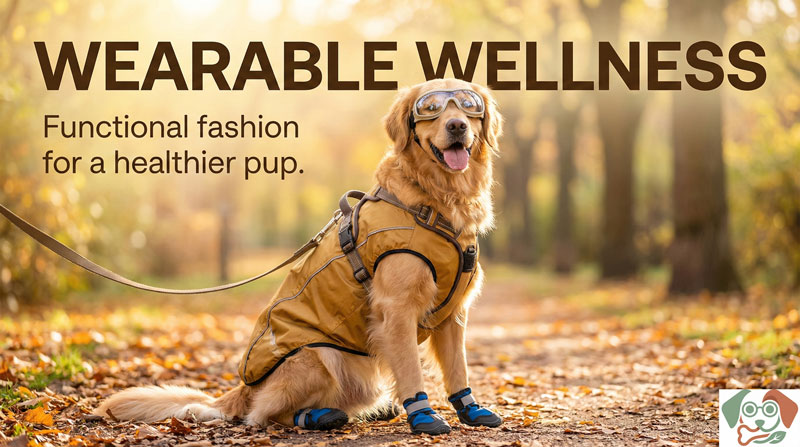
4) Front-clip or step-in harness
– Why it helps: Reduces neck strain from pulling and helps you assist with movement.
– How to use: Choose a harness that sits comfortably and has a back or chest clip. Avoid chokers.
– Training: Practice lifting and guiding with a calm voice and treats. Reward calm walking.
5) Leash with traffic handle (or a waist leash)
– Why it helps: Gives you quick control during walks or park visits without tugging.
– How to use: Use the traffic handle in busy areas; switch to a standard length in calm spaces.
– Training: Reward slow, steady walking; stop if your dog slows or hesitates, then praise.
6) Elevated feeder stand
– Why it helps: Reduces neck and shoulder strain during meals.
– How to use: Adjust height to eye level for your dog. In apartments, place near a feeding corner; in suburban homes, keep it near your usual dining area.
– Training: Serve meals at the same times daily to build a predictable routine.
7) Non-slip paw socks or booties
– Why it helps: Improves traction on slick floors and protects sensitive paws.
– How to use: Put on after removing muddy/wet paws. Use in living rooms with polished floors or during winter.
– Training: Let your dog get used to the feel with short practice sessions.
8) Rear support sling or lifting assist
– Why it helps: Provides gentle support when getting in/out of bed, car, or bath.
– How to use: Slip a supportive sling under the abdomen or hips as you assist. Lift as needed, keeping movements slow and steady.
– Training: Practice at low intensity, using praise and small rewards for calm cooperation.
9) Gentle massager or grooming glove
– Why it helps: Increases circulation, eases stiffness, and offers comfort without pressure points.
– How to use: Use small, circular strokes along joints and legs. Keep sessions short and pleasant.
– Training: End with a treat and cuddle to reinforce calm feelings.
10) Pet-safe heating pad or heat pack
– Why it helps: Gentle warmth can relieve stiffness during rest. Use with caution.
– How to use: Place under a blanket on low heat; never leave unattended. Periodically check skin temperature.
– Vet note: Consult your veterinarian before using heat therapy, especially if your dog has circulation issues.
11) Cooling mat or season-appropriate mat
– Why it helps: In warm weather, cooling can ease joint discomfort and encourage movement.
– How to use: Place in a shaded area or near your dog’s favorite resting spot. Supervise during first uses to ensure comfort.
– Training: Encourage resting on the mat after short, gentle exercise to help joints recover.
Step-by-Step What To Do
1) Assess needs with your vet
– Make a simple list of trouble spots (stairs, sofa access, meal times, car rides).
– Note any changes in gait, stamina, or appetite.
– Vet advice helps tailor the capsule to your dog’s arthritis stage.
2) Map your home
– Identify apartment constraints (limited stairs, small spaces) and suburban layouts (car travel, yard time).
– Decide which items address the top pain points first (ramp, bed, harness).
3) Pick and arrange items
– Start with core items: bed, ramp, harness, and leash.
– Add elevated feeder and non-slip socks next.
– Introduce massager, rear sling, heating pad, cooling mat, and crate mat gradually.
4) Train with care
– Use short, reward-based sessions. Maintain a calm pace.
– Teach ramp and stairs in small steps: approach, place paw on first step, reward, repeat.
– Practice “drop and go” meals at the elevated stand to reduce bending.
5) Create daily routines
– Breakfast, walk, play, rest, and bedtime should be predictable.
– Add brief, low-impact walks, plus gentle indoor activities to keep joints moving.
6) Maintain and adjust
– Check each item weekly for wear and fit. Replace as needed.
– Reassess with your vet every few months or if signs worsen.
Mistakes to Avoid
- Forcing activity on days with high stiffness. Rest is important too.
- Skipping vet visits or ignoring changes in pain levels.
- Using too-high stairs or a ramp without proper training.
- Ignoring the need for a consistent routine; dogs thrive on rhythm.
- Choosing one-size-fits-all gear without considering your dog’s size, coat, and gait.
When to Call a Vet or Certified Professional
- Sudden limping, swelling, or pain that worsens quickly.
- Weight loss without a clear cause.
- New lameness or reluctance to bear weight on a limb.
- Signs of anxiety, overheating, or refusing to use the bed or ramp.
- A vet or certified professional can adjust care and recommend therapies or medications as needed. Vet disclaimer: this article provides general guidance and is not medical advice. Please consult your veterinarian for treatment decisions and dosing.
FAQs
- Is arthritis in dogs curable?
- Arthritis is typically managed, not cured. A steady routine and the right tools help keep mobility and comfort.
- Do I need all 11 items to start?
- No. Start with the core items that address your dog’s biggest pain points, then add more as needed.
- Are supplements recommended?
- Some dogs benefit from supplements, but discuss with your vet before starting any new product.
- How long should I train per day?
- Short, 5–10 minute sessions work well. End on a positive note with a treat and praise.
- Can these items help a younger dog with temporary joint pain?
- Yes. The capsule is helpful for any dog needing joint-friendly adjustments and safer movement.
This minimalist 11-piece capsule provides practical, affordable ways to support an arthritic dog at home. With warm routines, gentle training, and simple tools, you can help your pup stay mobile, comfortable, and happy in any US home—apartment, condo, or suburban house.