
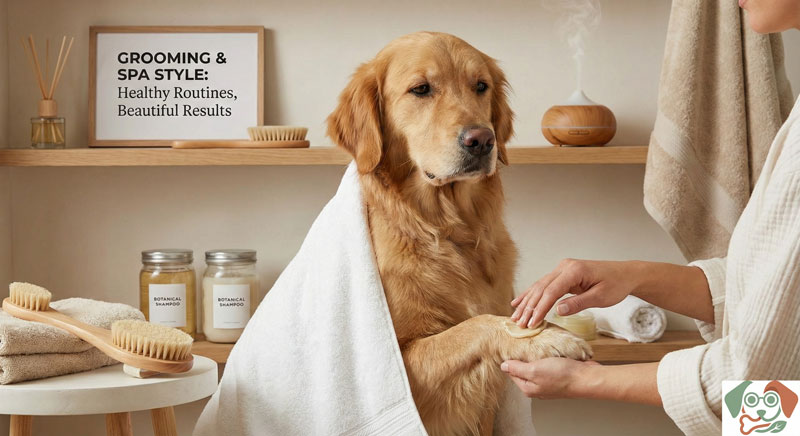
Matting prevention: Do’s and don’ts for matting in curly coats
Meta description: Learn simple, humane steps to prevent matting in curly coats with do’s and don’ts for everyday U.S. dog owners.
Quick Summary
- Curly coats mat easily if not brushed regularly.
- Build a small daily routine with the right tools.
- Use detangling sprays and gentle techniques to remove tangles.
- Know when to call a professional grooming service.
- Keep routines apartment-friendly or suburban-friendly with practical examples.
Why This Matters for Your Dog
Matts pull on the skin, cause discomfort, and can trap moisture and odor. They make baths harder and can lead to skin infections. Regular, kind care helps your dog stay comfy, clean, and happy. Quick, small steps beat big tangles later.
Common Causes (Key Factors)
- Infrequent brushing and detangling.
- Wet fur left to sit; humidity or rain indoors.
- Long, curly coats without a grooming plan.
- Friction from play, harnesses, beds, or crate corners.
- Not using a proper detangler or the right brush for the coat type.
- Ears, paws, and armpit areas where hair clumps easily.
Step-by-Step What To Do
1) Build a simple daily 5–7 minute routine
– Set a consistent time each day (after breakfast or before a walk).
– Use a calm, reward-based approach to make brushing a positive moment.
2) Gather the right tools
– Slicker brush or pin brush for curly coats.
– A wide-tooth comb or detangling comb for knots.
– A dog-friendly detangling spray or leave-in conditioner.
– Blunt-nosed scissors only if you’re trained, and never near skin.
3) Start with detangling spray and gentle handling
– Lightly mist the coat, focusing on areas prone to mats (behind ears, under legs, chest, tail).
– Let your dog sniff and enjoy a treat to stay relaxed.
4) Brush in sections
– Work from the tip of the hair toward the skin in small sections.
– Lift the skin taut with your other hand to reduce tugging.
– If you feel a knot, apply a little more spray and work it loose with a comb.
5) Target problem areas weekly
– Set aside one day for a longer detangling session.
– Focus on ears, armpits, chest, and the area between the hind legs, where mats form quickly.
6) Bathing and drying routine
– Bathe with a gentle dog shampoo every few weeks or as needed.
– Rinse completely, then towel dry and finish with a blow-dry on a cool setting if your dog tolerates it. Keep skin and fur dry to prevent new mats.
7) Coat length management
– Trim or shape hair to reduce mat-prone lengths, especially around the paws, hocks, and ears.
– For some curly breeds, regular trims help a lot—ask a groomer to show you safe home trimming tips.
8) Protect during daily life
– In apartments, use a cozy dog bed with short hair around the bed area to reduce hair friction on fabrics.
– In suburban homes with yards, brush after outdoor play to remove grass, burrs, and damp fur.
9) Crate time and rewards
– If your dog spends time in a crate, place soft bedding and schedule a brief brushing session before crate time to reduce rolling and tangling.
10) When to seek a professional
– Mats close to the skin or extensive tangles that you cannot work through safely.
– Knots around the legs, paws, or joints with skin irritation.
– If you’re unsure about cutting mats yourself, a professional groomer can safely remove them and teach you maintenance tips.
Mistakes to Avoid
- Skipping brushing days or brushing too hard.
- Using human shampoos or aggressive products.
- Tugging or yanking at mats instead of padding and detangling gently.
- Brushing against the direction of hair growth or using dull tools.
- Letting wet fur sit for long periods and not drying properly.
- Ignoring problem areas like ears, armpits, and between the toes.
- Hesitating to seek help when mats are near the skin or cause discomfort.
When to Call a Vet or Certified Professional
- You notice redness, swelling, discharge, or a bad odor near the skin.
- Mats are severe, painful, or show signs of skin infection (licking, limping, swelling).
- Your dog resists grooming or shows anxiety that lasts beyond a calm brushing session.
- You’re unsure how to safely remove mats near sensitive areas.
Note: This guide is for care and grooming support. If you have health concerns for your dog, consult your veterinarian. This is not medical diagnosis or dosage advice.
FAQs
-
How often should I brush a curly-coated dog?
Most curly-coated dogs benefit from daily brushing of 5–10 minutes, plus a longer detangling session weekly. Adapt to your dog’s tolerance and coat length. -
Can I shave my dog to prevent mats?
Shaving is sometimes recommended for severe matting or skin issues, but it changes coat texture and pattern. Talk with a professional groomer about what’s best for your dog’s breed and lifestyle. -
Are mats painful for dogs?
Yes. Mats can tug on the skin and cause discomfort or infections if left untreated. Gentle detangling and timely grooming help prevent pain. -
Are detangling sprays safe?
Most dog-specific detanglers are safe when used as directed. Avoid sprays with harsh fragrances or essential oils that aren’t recommended for dogs. -
Should I brush before or after a bath?
Brushing before a bath helps remove loose fur and reduce knotting. You can gently brush again after drying to smooth the coat and catch any new tangles. -
How can I prevent mats after a dog park visit?
After play, wipe down and brush your dog. Pay extra attention to the legs, chest, and belly where fur can tangle with grass or debris. -
What if I’m not sure my grooming is up to it?
It’s perfectly fine to start with a professional groomer for an evaluation. Ask for training tips that you can safely practice at home.
With these practical steps, you can reduce matting in curly coats and keep your dog comfortable, clean, and healthy. Small, consistent routines fit most U.S. homes—whether you live in an apartment or a house with a yard—and they help every day feel calmer for your furry family member.