
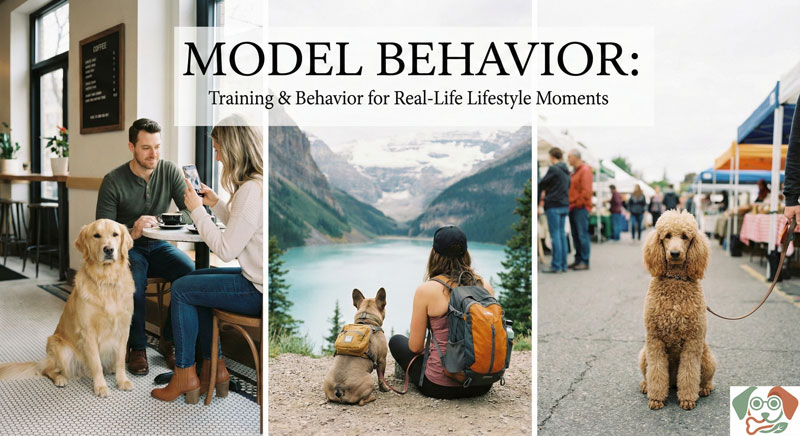
Loose-Leash Walking Made Chic: Reward Plans That Avoid chafing and Keep Energy Steady
Meta description: Chic, reward-based loose-leash walking that prevents chafing and keeps energy steady for everyday American dogs.
Quick Summary
- Use a well-fitting, non-chafing harness or collar and a comfortable 4–6 ft leash.
- Build a simple reward-based plan that marks calm walking and gives frequent, varied rewards.
- Pair walks with energy management: play or sniff breaks, then reward for relaxed pacing.
- Practice at home, in the apartment hallway, in the yard, and in the park—gradually increasing distance.
- Crate training and routine can help prevent over-excitement before walks.
- If you see skin redness, sores, or persistent pulling, seek vet or certified trainer help.
Why This Matters for Your Dog
A calm, comfortable walk strengthens your bond and protects your dog’s skin. When a leash rubs or pulls, dogs can develop chafing, irritation, or discomfort, which makes walking less enjoyable and can trigger more pulling. A reward-based plan creates steady energy, reduces reactivity, and makes daily strolls safer for you both. With beginner-friendly steps and realistic home setups (apartment vs. suburban), you can build confidence and keep walks enjoyable.
Common Causes (Key Factors)
- Ill-fitting gear: a stiff collar or rough harness edges create rubbing.
- Too much energy before a walk: a rushed, overexcited pup can yank and lurch.
- Inconsistent rewards: dogs learn to expect a treat only after pulling, not for polite walking.
- Environmental triggers: doorways, street corners, and other dogs can spike arousal.
- Improper leash handling: jerks or constant tension invite rubbing and discomfort.
Step-by-Step What To Do
1) Check the gear and fit
– Choose a soft, padded harness designed to distribute pressure (back-clip or front-clip can help, as appropriate for your dog).
– If you prefer a collar, ensure it is snug but not tight and has a quick-release buckle.
– Use a 4–6 ft leash with a comfortable grip. Avoid retractable leashes for training.
– Have a small treat pouch and a clicker or your marker word ready (for example, “Yes!”).
2) Create a short, daily training routine at home
– Start with 5–8 minute sessions on a flat indoor corridor or long hallway.
– Put your dog on the harness, leash, and a few steps from your side.
– Use a “watch me” cue (look at you) and reward with a treat or toy when their attention stays near you.
– Mark calm walking by a cue (like “Yes”) and give a treat after a small, relaxed step forward.
– End sessions on a calm note with a fun toy or a gentle pause.
3) Build a simple loose-leash reward plan
– Step 1: Reward every 2–3 steps during the first week.
– Step 2: Slowly increase distance between rewards to 4–6 steps as the dog stays calm.
– Step 3: Use mixed rewards (treats, a favorite toy, or short play) to keep energy steady.
– Step 4: Move to a door exit drill: before leaving the house, practice two or three calm steps, then reward.
4) Practice in varied settings (apartment, yard, sidewalk)
– Apartment hallways: short rounds, with frequent, quick rewards for staying near your side.
– Suburban sidewalk: begin with curb-side waits, reward for calm pauses near driveways or doors.
– Yard or park: allow sniff breaks, then ask for a few polite steps before rewarding. If another dog approaches, pause, model calm behavior, and reward when your dog resumes a loose leash.
5) Energy management before and after walks
– Before the walk: offer 5 minutes of interactive play or sniffing time to burn off excess energy, then switch to the leash for a calm walk.
– After the walk: provide downtime—quiet crate time or a short period of calm petting to help energy balance.
– For crate-trained dogs, use the crate as a calm transition zone before walks to prevent over-arousal.
6) Crate training integration
– Use the crate to help your dog decompress before the walk.
– Keep the crate comfortable with a blanket, a safe toy, and water.
– A calm, rested dog walks more politely and is less likely to rub or pull.
7) When to adjust for parks or busy areas
– In dog parks, keep a shorter leash for initial entry, then gradually increase the length as your dog learns to stay close.
– If you encounter high arousal, switch to a slower pace, pause, and reward for calm walking.
– Always check park rules and leash requirements and respect other dogs’ space.
8) Safety and health checks
– Regularly check for signs of rubbing, redness, or sores on the chest, underarms, or any contact points.
– If skin irritation appears, temporarily switch to a different harness or take extra breaks during walks.
– If your dog seems sore after walks, shorten the route and re-evaluate gear fit.
9) Vet and professional support (when to seek help)
– If you notice persistent skin irritation, limping after walks, or signs of pain, talk with your veterinarian.
– If pulling remains a challenge after several weeks of training, consider a certified dog trainer or veterinary behaviorist.
– This blog provides practical guidance, not medical advice. Consult a vet for health concerns before starting any new exercise routine.
Mistakes to Avoid
- Yanking or harsh corrections. Push for calm, not punishment.
- Using a dog collar that causes rubbing or chafing; switch to a padded harness if needed.
- Over-reliance on treats during every step; mix rewards with praise and play to keep energy steady.
- Letting the leash drag or allowing excessive slack that invites lunging.
- Jumping straight to long walks without a calm baseline.
- Relying on retractable leashes for training; they reduce control and increase risk of rubbing or injury.
When to Call a Vet or Certified Professional
- Your dog shows redness, sores, or persistent rubbing where the leash or harness sits.
- Skin or hair loss, swelling, or signs of pain appear.
- Pulling remains intense despite several weeks of consistent training.
- Your dog shows fear, aggression, or extreme reactivity during walks.
- You’re unsure how to fit or choose gear for your dog’s size, coat, or health issues.
Note: This blog provides practical, humane, reward-based guidance. It does not replace veterinary or professional training advice. If health concerns arise, contact your veterinarian first.
FAQs
- Can I use a retractable leash for training?
-
Retractable leashes are not recommended for training. They give less control and can encourage pulling or sudden lunges, increasing the risk of injury and rubbing.
-
How long does it take to see improvements?
-
Many dogs show calmer walking within 3–6 weeks of consistent practice. Some may take longer, especially if they’re starting from a high arousal level.
-
My dog is sensitive to touch; what should I do?
-
Start with very short sessions and use a soft, well-padded harness. Reward any calm behavior. Move slowly and keep expectations small.
-
What if my dog still pulls despite training?
-
Focus on the basics: gear fit, short, frequent sessions, and consistent rewards. Consider a front-clip harness or consult a certified trainer for a personalized plan.
-
How can I balance walks for an apartment dog?
-
Use short, frequent sessions indoors or in a building hallway, then extend gradually outdoors. Combine physical walks with mental games and sniff time.
-
Should I feed or play before or after walks?
-
A short play or sniff session before a walk can help burn excess energy. Keep meals on a consistent schedule and avoid heavy feeding immediately before intense activity.
-
Is crate training necessary?
- Crate training can support calm transitions and energy management, especially for dogs who get overly excited before walks. Use it as part of a balanced routine, not as a punishment.
This approach keeps your walks chic and practical: calm pacing, comfortable gear, and steady energy. With these beginner-friendly steps, you can enjoy longer, more enjoyable strolls—whether you live in a compact apartment or a family-friendly suburb.