
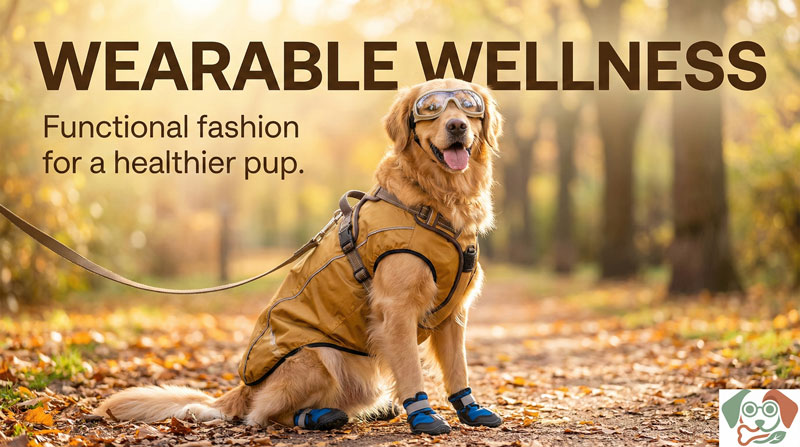
Leash and Collar Pairing: Avoid dehydration and keep your look cohesive
Meta description: Learn how to pair leash and collar for comfort, safety, and hydration in daily dog routines across apartment and suburban living.
Quick Summary
- Choose a leash and collar that fit well, feel comfortable, and look coordinated.
- Plan for hydration during walks with portable bowls and regular water breaks.
- Use reward-based training to reinforce safe walking, not pulling.
- Tailor gear and routines to apartment life or suburban neighborhoods.
- Regularly check fit, materials, and safety features.
Why This Matters for Your Dog
The right leash and collar pairing supports safety, comfort, and behavior. A well-fitting collar or harness reduces rubbing and escapes, making walks calmer. Coordinating colors or styles adds a simple, everyday sense of cohesion. Hydration is essential, especially in hot weather or during longer outings. Pairing gear with a practical hydration plan helps your dog stay healthy and happy on daily adventures.
Common Causes (Key Factors)
- Inadequate hydration on walks or adventures.
- Poor gear fit: chafing, slipping or pinching can cause stress and unsafe pulls.
- Wrong leash type for the setting: retractables or flimsy leads can be unsafe in busy areas.
- Collar choice and fit not matching the dog’s needs (e.g., escape-prone breeds may require a martingale).
- Lacking a simple routine for apartment vs. suburban life.
- Style choices that distract from safety (too long or dangling accessories that snag).
Step-by-Step What To Do
1) Assess your dog’s needs
– Neck size, coat, and temperament matter. Small dogs may do better with a lightweight flat collar; dogs that pull may benefit from a martingale or a well-fitted harness for control. For most dogs, a sturdy 4–6 foot flat leash is versatile for urban and suburban walks.
2) Choose your leash type
– Flat leash (standard 4–6 ft) offers steady control and subtlety.
– Avoid overly long or retractable leashes in busy areas or near traffic; they can surprise you and your dog.
– If you like hands-free options, choose a comfortable waist-clip belt or a cross-body setup, but practice safely in quiet areas first.
3) Pick a collar that fits well
– Flat buckle collars work for most dogs. Use a two-finger rule (two fingers fit between neck and collar) to ensure a snug but comfortable fit.
– Martingale collars are helpful for dogs that wiggle out of standard collars but still require gentle control.
– Avoid chain chokers or collars that pinch; opt for comfort-first materials like nylon or leather, with soft edges.
4) Ensure a cohesive look
– Pick collar and leash colors that complement each other or match your dog’s collar tag. Reflective stitching or piping improves visibility for early morning or evening walks.
– If you use a harness, consider coordinating your leash and harness color for a polished, cohesive look.
5) Hydration on the go
– Always carry a small, collapsible water bowl or a compact dog water bottle.
– Plan water stops on longer walks. For a 20–30 minute outing, offer water once halfway through and after returning home.
– In hot weather, provide more frequent breaks and shade. If your dog won’t drink from a bottle, offer cool, fresh water from a bowl.
6) Routine examples by home type
– Apartment life: short, consistent walks (10–15 minutes) twice a day, plus a quick potty break before bed. Use a 4–6 ft flat leash, keep the collar loose enough for comfort, and bring water for breaks.
– Suburban home: two longer walks (20–30 minutes), a visit to a park or safe yard, and a crate or quiet space for rest after activities. Keep reflective gear for low-light hours and pack a collapsible bowl.
7) Training with rewards
– Teach “watch me” and “heel” with treats. Reward calm walking and attention, not just stopping at the curb.
– Use gentle guidance: a soft tug or gentle leash cue toward your side, followed by praise and a treat when your dog aligns with you.
– Practice in low-distraction areas first, then gradually add dog parks or busier sidewalks.
8) Safety checks before leaving home
– Inspect the collar for wear, frayed stitching, or looseness. Replace as needed.
– Check the leash for any cracks or weak spots. Replace if it shows wear.
– Ensure reflective elements work well if you’ll be out at dawn or dusk.
Mistakes to Avoid
- Using a leash that is too long or too stretchy in busy areas.
- Tight collars causing choking or discomfort; never leave a collar on a sleeping dog that could cause entanglement.
- Forgetting water on hot days or during long outings.
- Training with punishment or force; stick to rewards-based methods.
- Wearing mismatched gear that interferes with movement or causes irritation.
When to Call a Vet or Certified Professional
- If you notice persistent dehydration signs (very dry gums, lethargy, excessive panting) or if your dog refuses water. Seek prompt veterinary care.
- If there is skin irritation, redness, or hair loss under the collar area.
- If your dog consistently pulls or shows fear or aggression cues around leash use; a certified trainer can help with humane, positive reinforcement strategies.
- When in doubt about the right gear for a medical condition (e.g., throat issues or back problems), consult your veterinarian first.
Vet disclaimer: This article offers general guidance. If dehydration or medical concerns arise, contact a veterinarian for professional care. Training should be humane and reward-based.
FAQs
-
Can I use a harness instead of a collar?
Yes, many dogs benefit from a harness, especially if they pull. Some dogs do well with a collar plus a martingale. Choose what supports safe control and comfort for your dog. -
What leash length is best?
A 4–6 ft leash is versatile for most dogs and settings. Shorter can improve control in busy areas; longer can give more freedom in open spaces. -
How do I keep my look cohesive without looking flashy?
Pick 2–3 color tones that match and use reflective accents. Coordinate with your dog’s gear for a tidy, put-together look. -
How do I stop my dog from pulling?
Focus on rewarding loose-walk behavior and use gentle cues to guide your dog to your side. Practice in calm spaces and gradually add distractions. -
What should I carry on walks?
Water, collapsible bowl, waste bags, poop bag dispenser, a small treat pack for training, and a spare pair of collar or leash parts in case of wear. -
My dog wears a collar and a harness. How do I keep both safe?
Use both pieces during different activities as needed, ensuring the leash attaches to the harness or collar as appropriate. Check fit and avoid tangling during movement.
With thoughtful leash and collar pairing, hydration readiness, and positive, reward-based training, you’ll enjoy safer, calmer walks and a cohesive look that fits your daily life—whether you’re in an apartment or a suburban neighborhood.