
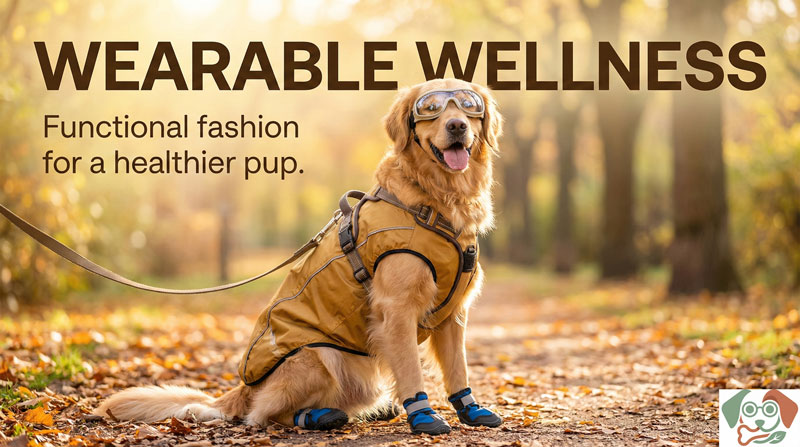
Harness Fit Mistakes That Trigger nausea: Fix Your booties in 5 Minutes
Meta description: Quick, humane fixes for harness fit and bootie setup to Prevent nausea—5-minute tune-ups for busy American dog parents.
Quick Summary
- Nausea in dogs can come from a poorly fitting harness or rubbing booties.
- The fix is fast, humane, and beginner-friendly: measure, adjust, test, and smooth out rub points.
- You’ll tailor gear to your setting—apartment routines, Crate Training, or park outings.
- Use reward-based training to help your dog accept new gear.
- If warning signs persist (vomit, heavy drooling, panic), call your vet or a certified trainer.
Why This Matters for Your Dog
A harness that fits right can make walks feel calm and predictable. A misfit—or gear that rubs the skin—can trigger stress, gagging, or nausea during movement. For many dogs, a quick 5-minute tune-up is all it takes to restore comfort and confidence. This matters whether you’re navigating a small apartment hallway, a busy suburban sidewalk, or a crate-training routine at home. A well-fitted harness works with your dog’s movement, not against it, and it keeps you both safer on walks, car rides, and trips to the park.
Common Causes (Key Factors)
- Wrong size: Too tight cuts off breathing or blood flow; too loose lets the harness slide and rub.
- Bad strap placement: Straps sitting over sensitive spots (armpits, sternum) cause friction.
- Incorrect clip type: Front-clip vs. back-clip changes weight distribution; the wrong setup can tug unexpectedly.
- High-chest or low-back positioning: If the chest plate sits too high or too low, it can press on joints or cause gait changes.
- Rubbing edges or rough seams: New gear with sharp stitching or stiff straps rubs after short walks.
- Boots that don’t fit: Booties that are too tight restrict paw movement or rub between toes; too loose slip and cause rubbing.
- Activity mismatch: A harness not suited for the activity causes extra strain on the body, triggering nausea during movement.
- Inconsistent wear: If the dog is unused to gear, sudden use during a park outing can trigger stress and motion sickness.
If you use booties, ensure they protect the paws without constricting movement. Clean booties and harness regularly to prevent skin irritation.
Step-by-Step What To Do (5-Minute Harness Fit Tune-Up)
This is a quick, practical routine you can do at home, in an apartment or in the suburbs, before a walk, crate session, or park trip.
- Step 1: Quick gear check (30 seconds)
- Inspect the harness for wear, loose threads, or sharp edges. Check the buckles and D-rings.
- Inspect booties for worn soles or loose straps.
-
Make sure your dog is calm; a tense dog makes the fit check harder.
-
Step 2: Measure and compare (1 minute)
- Use a soft measuring tape to measure neck and chest girth exactly where the harness will sit.
-
Compare measurements to the size chart on the harness packaging. If you’re between sizes, pick the larger and adjust.
-
Step 3: Put it on and place it correctly (1 minute)
- Slip it on with the dog standing or in a natural posture. Ensure the neck opening sits behind the ears, not tight around the throat.
- Position the chest strap about an inch or two behind the foreleg elbow, not over the armpit.
-
If you use a front-clip harness, make sure the clip sits on the chest and the back strap sits flat along the spine.
-
Step 4: Adjust with the two-finger rule (1 minute)
- Fasten snugly but not tight. You should be able to slide two fingers between the strap and your dog’s body.
-
Check each strap: neck, chest, belly. The back strap should lie flat with no twists.
-
Step 5: Test movement and breathing (1 minute)
- Let your dog stand, then take a few steps with them indoors. Watch for panting rate, gasping, or a stiff, unnatural gait.
- If you notice rubbing, loosen the strap slightly or reposition the chest piece a bit lower or higher.
-
If you’re using booties, quick-check the fit by letting the dog walk a few steps on carpet. Look for rubbing between toes or toe-cup pressure.
-
Step 6: Short outdoor test (optional, 30 seconds)
- If indoors felt good, take a quick lap around the living room or hallway, then pause to check fur, skin, and the booties. No rubbing or dragging should occur.
Tip: In apartment settings, keep tests inside first (hallways or living room). In suburban homes with gardens or sidewalks, test near a quiet area before a longer walk.
Mistakes to Avoid
- Choosing size by weight alone; always measure girth and neck.
- Tightening straps over tight, restricting breathing.
- Placing straps across joints or sensitive areas (armpits, neck, spine).
- Using a harness that’s worn for a long time without checking fit; repeated rubbing leads to skin irritation.
- Assuming booties fit automatically; always check toe clearance: too-tight booties can squeeze toes; too loose can rub and catch on surfaces.
- Not retraining when you switch to a new style (front-clip vs back-clip) or a different brand.
When to Call a Vet or Certified Professional
- You notice persistent vomiting, pacing, lethargy, or signs of pain after using a harness.
- The dog shows ongoing gagging, drooling, or unusual distress around gear.
- Skin becomes raw, torn, or severely irritated after short wear.
- You’re unsure how to size a new harness or booties for a growing puppy.
- If your dog has breathing difficulty or chest discomfort during gear use, seek professional guidance promptly.
Note: This article provides general training and care tips. It does not replace professional medical advice. If you have health concerns about your dog, consult your veterinarian.
FAQs
- Q: How do I know if a harness is the right size for my dog?
-
A: Measure neck and chest, compare to the size chart, and confirm the two-finger rule can fit between strap and body with the dog standing.
-
Q: Should I use a front-clip or back-clip harness for a nervous dog?
-
A: Start with a back-clip for ease, then try a front-clip if you need more control or if your dog pulls. Reward-based training helps acceptance.
-
Q: How often should I check harness fit?
-
A: Check weekly for puppies and dogs in growth or weight changes. Recheck after a haircut or post-surgery.
-
Q: Can harness fit cause motion sickness?
-
A: Yes. If the harness restricts breathing or causes anxiety, the dog may feel nauseous. Adjust fit or switch to a more comfortable design.
-
Q: How can I help my dog adapt to new gear?
-
A: Use short, positive sessions with tasty rewards; reward calm behavior while touching, adjusting, and wearing the gear. Progress gradually.
-
Q: What about crate training and harness use?
-
A: Use a harness to guide your dog into the crate, but remove it after settling in. Keep sessions calm and short, with rewards.
-
Q: Do booties help with nausea?
- A: Booties protect paws on rough surfaces and hot sidewalks. If boots rub or feel uncomfortable, adjust fit or skip them until your dog is comfortable again.
If you’re a busy U.S. pet parent juggling apartment life, daily crate routines, dog parks, and vet visits, a quick 5-minute harness tune-up can become a reliable habit. Start with measuring, then adjust using the two-finger rule, and finish with a brief trial walk. Your dog will thank you with calm, confident steps—and less chance of tummy upset on the next stroll.