
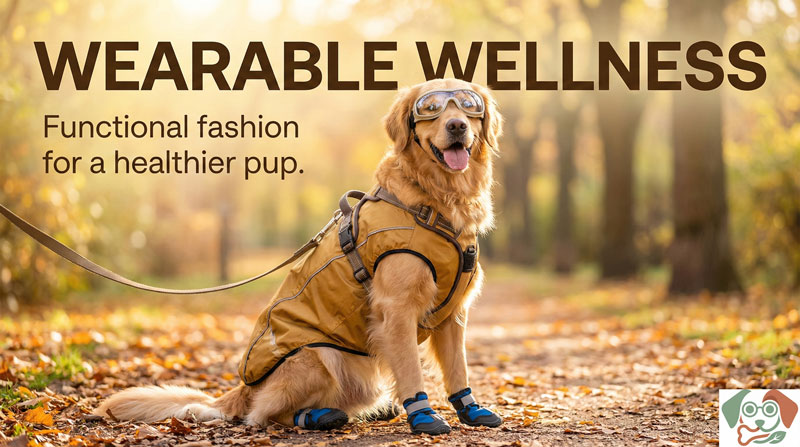
Meta Description: Learn how harness fit mistakes can cause stress-related loose stools, and fix your dog’s travel carrier in 5 minutes for calmer trips.
Quick Summary
- Poor harness fit can stress a dog, potentially upsetting digestion.
- Correct fit uses a two-finger rule, proper strap placement, and calm proofing.
- A simple 5-minute fix can reduce travel-related stress and help digestion.
- Pair harness work with a comfortable travel crate for travel days.
- Use humane, reward-based methods and call a pro if issues persist.
Why This Matters for Your Dog
A comfy harness means less pulling, less rubbing, and less anxiety during walks, car rides, and crate time. When a dog feels squeezed or stressed, digestion can wobble—leading to looser stools or stomach upset. For busy American routines—apartment life with quick trips, or suburban dogs with longer outdoor adventures—small harness mistakes add up. A calm walker and a calm traveler help protect your dog’s routine, mood, and gut health. This guide keeps things practical, beginner-friendly, and humane, with steps you can do today.
Common Causes (Key Factors)
- Harness too tight or too loose: Pressure points, rubbing, and restricted movement raise stress.
- Wrong harness style: Front-clip vs back-clip can change how pressure sits on the chest and shoulders.
- Poor fit as the dog grows or changes weight: A strap that was fine last month may pinch now.
- Rushing a fit test: Wearing the harness for minutes without a real test walk can hide discomfort.
- Travel strain: Car rides and new environments can spike anxiety if the dog isn’t used to the crate or carrier.
- Inconsistent routines: Sudden changes in feeding, walking times, or crate time can upset digestion.
- Hydration and potty breaks: Dehydration and delayed potty breaks stress the gut.
- General stress from daily life: Dog parks, stairs, elevators, and crowded lobbies can cause nerves to spike.
Step-by-Step What To Do
1) Quick harness fit check (in 2 minutes)
– Put the harness on and fasten snugly, then test two-finger rule: you should barely fit two fingers between the strap and the dog’s body at the widest point.
– Check chest and shoulder straps: they should sit flat, not pinch, twist, or pull the fur.
– Ensure the harness isn’t riding up on the neck or rubbing the armpits. If you see rubbing, adjust or switch to a different style.
2) Confirm the right kind for your dog
– If your dog pulls, a well-fitted front-clip or no-pull harness can help with control but must be sized correctly to avoid pressure points.
– If your dog has sensitive shoulders, consider a vest-style harness with wide straps for even pressure distribution.
– Use quick, gentle adjustments and reward your dog with treats for calm, quiet acceptance.
3) 5-minute test walk at home or in the apartment
– Walk around the living room or hallway, then progress to a short outdoor loop (around the block is fine).
– Watch for rubbing, pulling, or signs of discomfort (lip licking, yawning, halting, whining).
– If any discomfort shows, take the harness off and re-check fit or try another style.
4) Prepare the travel crate to support calmer days
– Choose a crate or travel carrier your dog already uses or one recommended by a trainer or vet.
– Place the crate in a familiar spot (near a couch or a quiet corner) and add a soft blanket and a familiar toy.
– Practice a 5-minute crate routine: toss a few treats inside, sit by the crate, and praise softly. Gradually increase the time over a few days.
– Use positive associations: feed a small treat near the crate, then inside, then gradually farther inside.
5) Quick hydration and potty plan
– Ensure water is available before outings and car rides.
– Schedule short bathroom breaks before every longer trip or park visit.
– If you notice stress-related stools during travel days, keep a consistent routine and ensure you’re not rushing meals or travel times.
6) Implement consistent routines for apartment vs. suburban life
– Apartment: shorter leash walks, more frequent potty breaks, and daily crate comfort sessions to Reduce stress spikes.
– Suburban: longer, varied walks with pace changes and several crate rest periods to help digestion stay stable.
7) Combine harness, crate, and routine changes
– When you fix harness fit, pair it with a short crate session and a small treat. This helps your dog learn that harness time and crate time are calm, positive moments.
Mistakes to Avoid
- Choosing a harness based only on style, not fit. A stylish harness can still pinch or ride up.
- Rushing the fit test. A quick snap-on can hide discomfort that will show during a walk.
- Ignoring weight or girth changes. Regularly re-check fit as your dog grows or loses weight.
- Using a front-clip harness for a dog who dislikes it, without adjusting fit and training time.
- Skipping crate practice. Travel days go smoother when the crate is a familiar, comfy space.
- Overloading training with too many new changes at once. Introduce one change at a time and reward progress.
When to Call a Vet or Certified Professional
- Your dog has repeated loose stools lasting more than 24 hours, or signs of dehydration (dry gums, sunken eyes, lethargy).
- Stool contains blood or black/tarry appearance, or there is persistent vomiting.
- You notice pain when the harness is fitted or during movement, or if potty changes occur alongside fever or lethargy.
- Digestive issues persist despite adjustments in harness, crate training, hydration, and routine.
- If you’re unsure about any sudden or severe changes in your dog’s behavior, mood, or appetite, seek professional care.
Note: This section is not a medical diagnosis. If you’re concerned about your dog’s health, contact your veterinarian for guidance. If you’re ever unsure about signs of dehydration or illness, call a vet for advice.
FAQs
- Can a harness really cause loose stools? Stress and discomfort from improper fit can contribute to digestive upset in some dogs. A calm, well-fitted harness often helps reduce stress-related gut issues.
- What is the “two-finger rule” for harness fit? You should be able to fit two fingers between the strap and your dog’s body at the widest area. It should be snug but not pinching.
- What harness type is Best for dogs that pull? A well-fitted no-pull harness or a front-clip harness can help, but fit and training matter most. Start with a model that distributes pressure evenly and practice rewarding calm walking.
- How can I help my dog feel comfortable in a travel crate? Start with positive associations: toss treats inside, sit by the crate, and gradually increase crate time. Use a familiar blanket and a favorite toy to create a cozy space. Consistency matters.
- If I notice mild tummy upset, should I stop using the harness? Not necessarily. Check the fit again, reduce travel time, and ensure hydration and potty breaks are on schedule. If symptoms persist, consult your vet.
If you are a busy dog owner in the United States, focusing on a proper harness fit and a calm, positive crate routine can make a big difference in your dog’s day-to-day comfort and digestion. With small, consistent steps—checking fit, choosing appropriate styles, and building crate confidence—you’ll see smoother walks, happier travels, and steadier stools.