
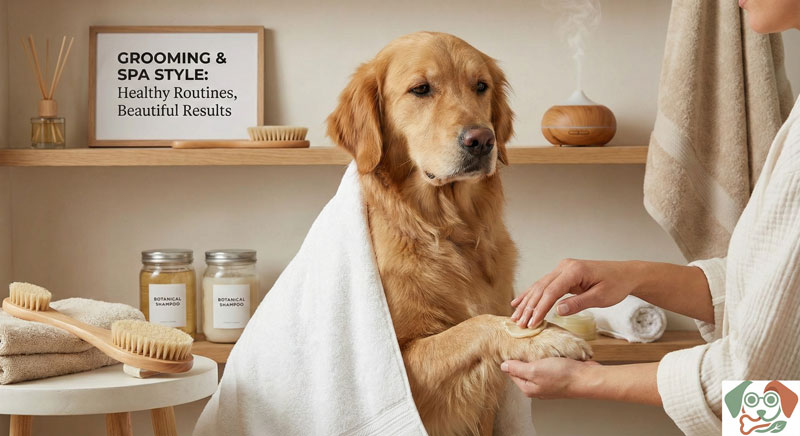
Meta description: Grooming tools that prevent dull coat for dogs in 2026—practical, beginner-friendly gear and routines for U.S. homes.
Quick Summary
- Regular brushing with the right tools keeps coats shiny and healthy.
- Choose a mix of brushes and combs suited to your dog’s coat type.
- Create a simple at-home routine you can stick to, from apartment living to suburban yards.
- Pair grooming with gentle rewards and crate-friendly routines to reduce stress.
- When in doubt, consult a vet or certified groomer for personalized guidance.
Why This Matters for Your Dog
A dull, lackluster coat can mean dry skin, shedding, or underlying issues. In 2026, more dog owners are finding that the right grooming tools not only improve shine but also cut down on shedding mess around the home. A consistent coat-care routine protects skin, helps with temperature regulation, and makes vet visits easier to assess progress.
For most U.S. households—whether you live in a cozy apartment or a sprawling suburb—short, regular grooming sessions beat long, sporadic brushing. Grooming is a bonding moment, not a chore. With beginner-friendly tools and routines, you can support your dog’s comfort, health, and happiness every day.
Common Factors (Key Causes of Dull Coats)
- Infrequent brushing, especially for dogs with medium or long coats.
- Using the wrong tool for your dog’s coat type (e.g., a stiff tool on a delicate coat).
- Dry air indoors from heating systems, common in winter in many apartments and homes.
- Overbathing or using harsh shampoos that strip natural oils.
- Poor nutrition or dehydration, which can affect coat shine.
- Seasonal shedding where an undercoat needs more attention.
- Skin irritation or allergies that require veterinary care.
Step-by-Step What To Do
1) Pick the right toolkit for 2026
– Start with a basic set:
– Pin brush for general brushing and detangling.
– Soft bristle brush to distribute natural oils and add shine.
– Slicker brush (with fine, gentle pins) for removing loose fur and smoothing the topcoat.
– Wide-tooth comb for mats and to groom sensitive areas.
– Add an undercoat tool if your dog has a double coat:
– A gentle undercoat rake or an undercoat deshedding tool designed for pets.
– Optional but helpful:
– Grooming gloves to lift fur while you pet, increasing comfort.
– Microfiber towel for quick drying after baths.
– A coat-safe spray or detangler to help with brushing, especially for long coats.
– Choose tools with features that match your home life:
– Non-slip grips for easy use.
– Rounded pins to avoid irritating the skin.
– Tools that are easy to clean and rinse.
2) Build a simple, repeatable routine
– Aim for a grooming window of 5–15 minutes most days, depending on coat type.
– Example routines:
– Apartment dogs: 5–8 minutes daily, focusing on face, paws, and shorter coat areas; 2 extra sessions per week to brush the full body.
– Suburban/house dogs with longer coats: 10–15 minutes 3–4 times per week, plus a weekly thorough brushing with a combination of tools.
– Create a ritual:
– Pick a time you use consistently (after morning coffee, or before a walk).
– Use a quiet space or near a crate where your dog feels safe.
– Offer a small treat after each session to reinforce positive feelings.
3) Step-by-step brushing plan (by coat type)
– Short-haired dogs (slim, smooth coats):
– Use a soft bristle brush first, then a pin brush to smooth shine.
– After 5–8 minutes, run a wide-tooth comb over legs and belly to check for tangles.
– Medium-length coats:
– Start with a pin brush to remove surface dust.
– Switch to a slicker brush to lift loose hair and smooth the coat.
– Finish with the wide-tooth comb to Prevent mats, especially behind ears and on the legs.
– Long-coated dogs:
– Use a wide-tooth comb to gently separate tangles.
– Move through with a slicker brush in small sections.
– For mats, pause and gently loosen with detangler spray before continuing; avoid tugging.
– End with a soft bristle brush to add shine.
– Double-coated dogs:
– Use an undercoat rake or deshedding tool on the heavy underlayer, following the grain of the coat.
– Brush with a slicker or pin brush on the topcoat to prevent stiffness.
– Finish with a comb to check for remaining tangles.
4) Practical home examples and routines
– Apartment living:
– Schedule a daily 5–7 minute session before mealtime.
– Use a corner or hallway space; keep tools in a small storage caddy.
– If you notice static or dry air, add a humidifier and consider a light coat moisturizer made for dogs (consult your vet or groomer for product guidance).
– Suburban home:
– Add a deeper 10–15 minute session 2–3 times a week, especially during seasonal shedding.
– After outdoor activities, brush to remove dirt and debris before indoor play.
– Use crate time to calmly groom after a walk or park visit; reward with treats and praise.
– Vet or professional care:
– Plan visits to coincide with seasonal changes or shedding peaks.
– Bring your current tools to a groomer if you want to learn how they use them on your dog’s coat.
5) After-bath care
– Use a mild, dog-safe shampoo and conditioner if you bathe at home.
– Rinse thoroughly to avoid residue that dulls the coat.
– Towel dry and, if your dog tolerates it, use a blow-dryer on a low, cool setting.
– Brush as the coat dries to prevent tangles from setting in.
6) Safety and comfort tips
– Check for skin irritation, redness, or Hot Spots while grooming; stop if you see discomfort.
– Brush in the direction of hair growth to minimize pulling.
– Be gentle around the face, ears, and paws.
– Always have a calm, reward-based approach; never force your dog to endure a long grooming session.
7) Nutrition and Coat Health basics (supportive, not medical)
– A balanced diet rich in high-quality proteins, fatty acids, and hydration supports coat health.
– If you notice persistent dullness despite good grooming, discuss dietary options with your vet.
– Always provide fresh water and avoid harsh soaps or products that dry the skin.
Mistakes to Avoid
- Over-brushing the same area in one session, which can irritate skin.
- Using the wrong tool for your dog’s coat type, especially on sensitive areas.
- Skipping brushing for days, leading to mats that require aggressive untangling.
- Brushing against the hair’s natural direction in a forceful way.
- Neglecting paws, ears, and underarms—these areas still need gentle care.
- Relying on one tool only; a mix gives a balanced grooming result.
- Skipping after-bath drying; moisture left on fur can dull shine and lead to odor.
When to Call a Vet or Certified Professional
- If you see persistent skin redness, swelling, itching, or signs of infection.
- If there are hot spots, hair loss, or a coat that remains dull despite consistent grooming and proper bathing.
- If your dog shows pain or reluctance during brushing that doesn’t improve after adjusting technique.
- If you suspect an underlying medical condition (e.g., allergies, thyroid issues) that might affect coat health.
- For professional help with mats, especially around sensitive areas, or if you’re unsure which tools are best for your dog’s coat type.
- Vet disclaimer: This article provides general information only and is not a substitute for professional medical advice. If you have health concerns about your dog, consult your veterinarian or a certified groomer.
FAQs
- Q: What’s the best tool to start with for a new dog?
A: Start with a soft bristle brush and a wide-tooth comb. Add a pin brush or slicker later as needed. - Q: How often should I brush my dog?
A: Most dogs benefit from 5–15 minutes a day, adjusted to coat type and tolerance. - Q: Can I groom a senior dog the same way?
A: Yes, but be gentler and shorter in sessions. Use softer tools and frequent breaks. - Q: Is there a difference between single-coated and double-coated dogs?
A: Yes. Double-coated dogs often need an undercoat tool to manage shedding; single-coated dogs benefit from regular brushing to distribute oils and remove dirt. - Q: How do I keep grooming positive at the dog park and outside?
A: Use short, rewarding grooming sessions after outdoor activities. Reward calm behavior and make brushing a positive end to walks or park visits. - Q: Are grooming tools safe for all breeds?
A: Most are, when used correctly. Check product guidelines and consult a professional if you’re unsure about a particular breed’s needs.
In short, 2026 can be the year your dog’s coat stays vibrant with a simple toolkit and a consistent routine. Start with the basics, tailor the plan to apartment life or a more spacious home, and celebrate small wins along the way. Gentle, reward-based grooming not only keeps coats shiny but strengthens trust and daily comfort for you and your dog.