
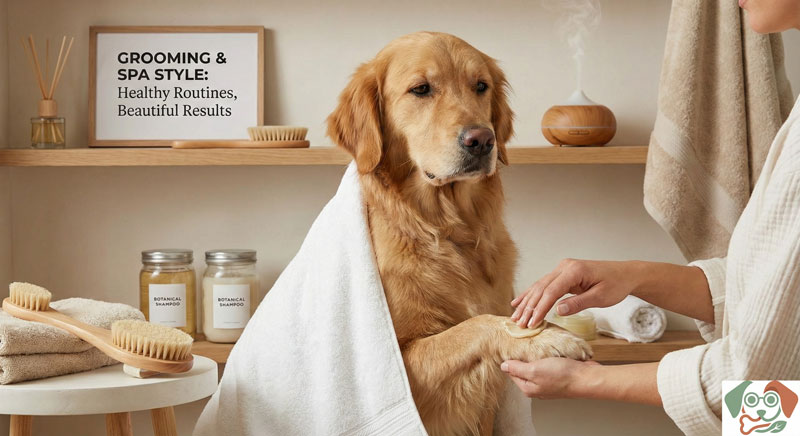
Grooming After the Beach: Prevent Stiff Hips and Keep Coats Soft
Meta description: After-beach grooming tips to prevent stiff hips and keep your dog’s coat soft, with simple steps for apartment and suburban homes.
Quick Summary
- Rinse sand and salt off your dog as soon as possible after beach time.
- Dry thoroughly and brush to prevent mats and coat breakage.
- Do gentle hip-friendly moves and a light massage to ease stiffness.
- Use dog-safe products and plenty of praise; rest afterward in a crate or comfy spot.
- See a vet if stiffness lingers or you notice pain or limping.
Why This Matters for Your Dog
Sun, sand, and salt can dry out skin and coat and irritate paws. After long beach days, muscles around the hips can feel tight, especially in older dogs or breeds prone to stiff hips. A simple, consistent post-beach routine helps keep coats soft, reduces matting, and supports easier movement in daily life—whether you live in a small apartment or a spacious yard.
Key Factors (Common Causes)
- Sand and salt drying skin and coat.
- Sun exposure leading to dryness and irritation.
- Mats forming in longer coats, catching on debris.
- Paws and leg exposure to hot sand or rough terrain.
- Temporary muscle fatigue around hips after long walks or swims.
- Inadequate drying, leading to damp fur that mats and chills the dog.
Step-by-Step What To Do
1) Rinse first thing after the beach
– Use lukewarm water to rinse off salt, sand, and debris from paws, legs, belly, and chest.
– If you’re in an apartment, a handheld shower head in the tub or a portable rinse bottle works well. In a suburban home, a backyard hose with a gentle spray can speed things up.
– Tip: start with the paws, then work up the legs, and finish with the torso to keep water from running into sensitive areas.
2) Use mild shampoo or water-only if needed
– For most dogs, a mild dog shampoo is fine. Avoid human soaps with strong fragrances.
– If your pup tolerates it, you can do a quick wash and rinse, especially for long-coated breeds prone to mats.
– Rinse thoroughly to prevent soap residue, which can irritate skin.
3) Dry carefully and brush
– Pat dry with a microfiber towel or old cotton towel. Avoid rubbing vigorously on a damp coat.
– Use a soft brush to remove sand and prevent mats. Short-haired dogs may only need a quick brush; long-haired dogs benefit from a thorough combing.
– If you have a small apartment, consider a quick brushing routine on a bath mat or towel to keep sand from spreading.
4) Check ears, eyes, and paws
– Wipe the outer ear with a damp cloth to remove moisture and sand. Do not insert anything into the ear canal.
– Wipe around the eyes if needed and ensure no debris remains on the face.
– Inspect paw pads for cuts or cracks; apply a dog-safe paw balm if you notice dryness.
5) Gentle hip- and body-focused care
– While the dog is calm, do a short, gentle hip-friendly routine:
– Supportive leg extensions: gently extend each hind leg forward and back a few times to encourage comfortable movement. Stop if you see reluctance or distress.
– Hip circles: very slowly move the hind leg in small circles, then reverse. This is a light ROM (range of motion) check, not a workout.
– Light massage along the thigh and hip area to ease stiffness, using slow, rhythmic strokes.
– These moves should be soothing and never forced. Reward with praise and a small treat.
6) Rest, hydrate, and a cozy post-beach routine
– After grooming, give your dog a quiet space—crate training can help some dogs feel secure, while others prefer a comfy Dog Bed.
– Offer fresh water and a small snack if your vet has no restrictions.
– A short leash-free quiet time indoors helps your dog rest from the day’s activity.
7) Regular grooming reminder for coat health
– Frequency depends on coat length and breed. Short coats may need brushing once a week; longer coats may need daily brushing to prevent sand tangling.
Mistakes to Avoid
- Skipping the rinse or using hot water.
- Using human shampoo or strong scents.
- Rushing the drying step or brushing a very wet coat.
- Brushing aggressively when the coat is wet or tangled.
- Ignoring signs of pain or ongoing stiffness after the beach day.
- Letting the dog run on hard surfaces immediately after a long beach outing.
When to Call a Vet or Certified Professional
- Persistent limping, stiffness lasting several days, or signs of pain.
- Swelling, heat, or obvious discomfort in the hips or hind legs.
- Any changes in gait, reluctance to move, or reluctance to be touched in hip areas.
- If you’re unsure about the right ROM exercises for your dog’s age or breed, ask a veterinarian or canine physical therapist for guidance.
Note: This post provides general tips only and is not medical advice. If your dog has a known health condition, consult your vet before starting any new routines.
FAQs
- Q: Can I use baby shampoo for my dog after the beach?
A: It’s better to use a dog-specific shampoo. Human products can irritate canine skin. - Q: How often should I groom after beach trips?
A: Do a quick rinse and brush after each beach outing. A full grooming session weekly is common, but adjust to your dog’s coat and skin needs. - Q: My dog hates baths. Any gentle approaches?
A: Make it a positive experience with treats, calm voices, and short, frequent sessions. Use warm water and a non-slip surface. Reward calm behavior. - Q: Will brushing remove all sand from the coat?
A: Brushing helps remove sand and detangles; a light rinse helps further. Drying thoroughly is key to prevent mats. - Q: How can I tell if my dog has hip stiffness?
A: Look for trouble rising, reluctance to climb stairs, or a stiff gait. If you notice these, consult your vet.
By sticking to a friendly, reward-based grooming routine after beach adventures, you’ll help your dog stay comfy, keep the coat soft, and support hip mobility day after day. Whether you’re in a cozy apartment or a home with a yard, these steps fit into everyday life and keep your canine companion happy and healthy.