
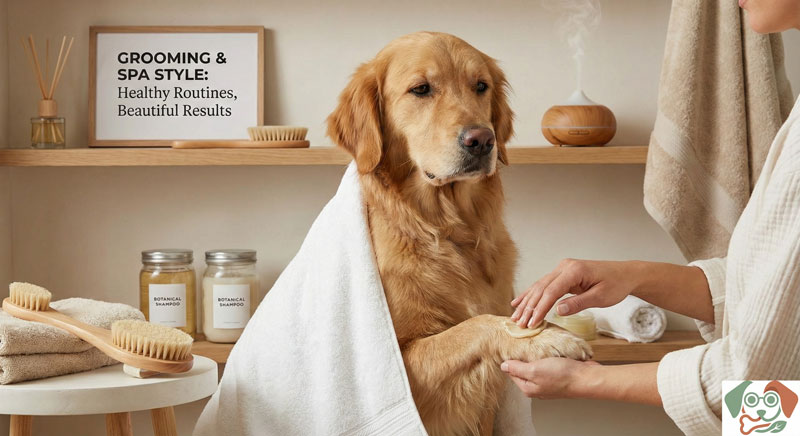
Grooming after the Beach: Prevent Snoring and Keep Coats Soft
Meta description: After beach days, rinse and brush your dog to keep coats soft, skin healthy, and comfort for better sleep.
Quick Summary
- Rinse off salt, sand, and sun before they dry in the coat.
- Brush and detangle while drying to keep fur smooth and mats away.
- Condition and moisturize for a soft, healthy coat; check ears and nails.
- Tailor the routine to your home—apartment or suburban—so it fits your schedule.
- Use humane, reward-based methods for any training help around grooming.
- If snoring or sleep changes worry you, note patterns and talk with a vet.
Why This Matters for Your Dog
Beach days are a blast, but salt, sand, and sun can irritate skin and coat. A clean, well-groomed coat dries faster and stays softer, which supports comfort and healthy skin. If a dog snores more after a beach day, grooming can’t replace medical care, but a calm, clean coat and a comfortable sleep environment can help your dog feel more relaxed at bedtime. Regular grooming also helps you spot skin irritation, ear issues, and nails that need a trim early, before they become bigger problems.
Common Causes (Key Factors) After the Beach
- Salt and sand dry out skin and coat, making fur feel rough and mats form more easily.
- Sun exposure can dry out skin; some dogs get windburn on sensitive areas.
- Sand and salt can irritate paws, between toes, and around the muzzle.
- Poor drying times may lead to damp skin or hotspots if the coat stays wet.
- Snoring can be affected by comfort, nasal irritation, or sleep quality; grooming contributes to overall comfort.
Step-by-Step What To Do
1) Prep at the door or tub
– If you have a short hall or small apartment, set up a washing or rinsing station in the bathroom or utility area. Have towels, a brush, a mild dog shampoo, and a rinse nozzle ready.
– In a suburban home with a yard, you can rinse outside with a hose or in a mudroom so you don’t track sand inside.
2) Quick sand removal
– Before baths, brush the fur to remove loose sand and surface salt. Use a grooming glove or slicker brush for short strokes and gentle pressure.
– Check for mats, especially behind the ears, under the legs, and in the hindquarters. Address mats gently but promptly.
3) Rinse thoroughly
– Rinse with lukewarm water to wash away salt and sand. Start at the neck and work down the body. Don’t spray directly into ears or eyes.
– If your dog loves baths, you can add a small amount of dog shampoo designed for their coat type.
4) Shampoo and condition (as needed)
– Use a mild, canine-formulated shampoo suited for your dog’s coat type and skin condition. Short-haired dogs often need only a light wash; long-haired or double-coated dogs may benefit from a longer rinse and a conditioner to prevent tangles.
– For dry coats, consider a conditioner or a detangling spray after rinsing. Follow product directions and rinse well.
5) Rinse again and dry
– Rinse completely to remove all soap residue; leftover residue can irritate skin and feel stiff in the coat.
– Towel dry first, then brush as you dry. A low-heat dryer can help, but keep it on a gentle setting and move it constantly to avoid hot spots. If you’re not comfortable with a dryer, air-dry and brush during the day.
6) Brush and detangle
– After the coat is mostly dry, brush again to remove any remaining sand and to smooth the fur. For long or Curly Coats, use a detangler spray and a comb to prevent tangles.
– Pay attention to the muzzle and around the eyes to keep hair out of the eyes and prevent irritation.
7) Ears, paws, and nails
– Gently wipe the outer ears with a damp cloth. Do not insert anything into the ear canal.
– Inspect paws for stubborn sand between toes; wipe or rinse as needed.
– Check nails and trim if you can do so safely. If unsure, a groomer or vet tech can show you a simple, humane method.
8) Aftercare and routines
– Offer fresh water and a comfortable resting spot after grooming. A calm, quiet space can help reduce snoring if your dog tends to be noisy at night.
– Schedule regular grooming based on coat type and activity. In apartments, quick brush sessions between baths help; in suburban homes, a longer routine every 1–2 weeks may work better.
9) Tailor to your home and routine
– Apartment living: Keep a portable grooming kit, a detachable showerhead, and a wipe-down option for quick refreshes after short beach trips.
– Suburban homes: You can rinse outdoors, use a hose with a nozzle, and set up a grooming station in the laundry or mudroom for easier cleanup.
10) Safe, humane training tips
– Use treats and praise to reward calm cooperation during grooming. Break tasks into small steps and go at your dog’s pace.
– If your dog is anxious, start with quick, low-pressure sessions and gradually increase the time as they stay calm.
– Avoid punishment. Positive reinforcement and patience make grooming a positive experience.
Note: This is general care guidance. If you notice persistent skin redness, itching, itching, hair loss, swelling, or if your dog has trouble breathing or severe snoring that concerns you, contact a veterinarian for guidance.
Mistakes to Avoid
- Using human shampoo or hot water. Can irritate skin and coat.
- Skipping thorough rinsing. Soap residue can irritate skin and make fur feel stiff.
- Over-bathing a short period of time; it can strip natural oils and dry the skin.
- Rushing the process; moisture left in the coat can lead to hotspots and mildew in damp areas.
- Neglecting ears and nails; small problems can become bigger.
- Forcing a dog into the grooming process; use slow, rewarding steps to build comfort.
When to Call a Vet or Certified Professional
- Snoring or sleep changes accompany coughing, gagging, or nasal discharge.
- Persistent itching, redness, hot spots, or new lumps on skin.
- Ear redness, odor, swelling, or discharge.
- Severe anxiety during grooming or signs of pain during handling.
- If you’re unsure about coat type or proper products for your dog (some dogs have sensitive skin or allergies).
- If you notice your dog is not maintaining weight or drinking water changes after beach days.
Quick note: This article is for guidance and does not replace professional medical advice. If you have health concerns about your dog, consult your veterinarian or a certified canine professional.
FAQs
-
Q: Can I use shampoo on my dog every day after the beach?
A: Most dogs don’t need daily baths. Over-bathing can dry the skin. Use a light rinse or bath as needed and follow with thorough drying and brushing. -
Q: How can I prevent my dog from getting dandruff after the beach?
A: Rinse, condition if needed, and ensure thorough drying. A coat-appropriate shampoo and, if needed, a leave-in detangler can help. If dryness persists, ask your vet about skin care options. -
Q: Is it okay to trim around the muzzle to Reduce snoring?
A: Trimming around the muzzle is a grooming choice for comfort and visibility. It should be done calmly and safely, avoiding close contact with the nose. If you’re unsure, a professional groomer can help. -
Q: How often should I bathe my dog after frequent beach visits?
A: Frequency depends on coat type and activity. Dogs who swim often may benefit from more frequent but short washes, while others may need less. Your veterinarian or groomer can help tailor a schedule. -
Q: What are signs that grooming isn’t enough for snoring?
A: If snoring worsens, there’s coughing, nasal discharge, or breathing difficulty, consult a vet. Snoring can be related to multiple health factors beyond grooming. -
Q: Can I use a detangler spray on all dogs?
A: Detanglers are generally safe for many dogs, but check product labels for your dog’s coat type and skin sensitivity. If in doubt, ask a groomer or your vet.
Grooming after the beach is a simple, practical routine that helps your dog stay soft, comfortable, and ready for the next day’s adventures. With calm training, the right tools, and a little routine, you can turn beach days into healthy, happy habits for you and your dog—whether you live in a cozy apartment or a sunny suburban yard.