
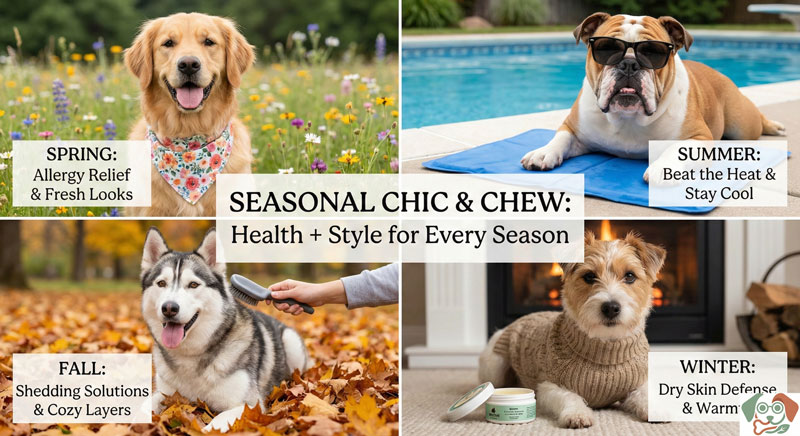
Meta description
Fall heat safety for dogs: use a cooling vest and zucchini hydration tips to prevent coat matting and keep your Pup comfy.
Quick Summary
- Use a properly fitted cooling vest on warmer fall days or after intense play.
- Hydrate with zucchini-based options, like zucchini ice cubes, to help thirst without adding salt.
- Groom regularly to prevent matting; combine brushing with gentle detangling products.
- Adapt routines for apartment living or a suburban yard; include crate training and vet check-ins.
- Watch for signs of heat stress and seek veterinary help if needed.
Why This Matters for Your Dog
Dogs don’t read the calendar the way we do. A sunny fall afternoon can still feel hot, especially after exercise or in a humid room. A cooling vest helps regulate body temperature during walks or park visits. Hydration matters for skin, coat health, and comfort, and zucchini is a tasty, low-calorie way to encourage fluids. When you combine cooling gear, smart hydration, and regular grooming, you reduce the risk of overheating and coat mats, even in apartments or busy neighborhoods.
Key Factors
- Temperature and humidity: fall sun plus dry air or humid pockets can spike heat risk.
- Exercise timing: midday heat is tougher; mornings and evenings are safer.
- Coat and skin health: hydrated skin mats less and brushes out tangles easier.
- Environment: apartments may trap heat inside; yards give a breeze but still need shade.
- Routine: consistent brushing and hydration routines help prevent mats and keep coats shiny.
Step-by-Step What To Do
1) Check the day’s conditions
– Look at temps and sun exposure. If it’s warm or humid, plan outdoor time for early morning or late afternoon.
– Keep play sessions short and give frequent water breaks.
2) Fit and use a cooling vest
– Measure chest girth just behind the front legs and the back length from neck to rib cage.
– Choose a vest with a snug but comfortable fit and breathable fabric. Avoid anything too tight.
– Put it on during outdoor walks or park visits, not while your dog is resting. Start with 10–15 minutes, then increase only if your dog seems comfortable.
– Check skin for chafing after wear. Let the dog rest and dry off if the vest gets damp.
– After use, follow washing guidelines on the label. Air-dry thoroughly.
– Note: cooling vests are supportive, not a substitute for water and shade.
3) Hydration with zucchini (hydration tips)
– Fresh zucchini: offer small, bite-sized chunks in the bowl as a crunchy hydration boost. Introduce gradually.
– Zucchini ice cubes: blend a little zucchini with water, freeze in ice cube trays, and add a couple cubes to the water bowl during walks or after play.
– Amounts: treat zucchini as a supplement, not a main meal. For most dogs, 1–2 small cubes per 20 lb of body weight is a safe starting point, but adjust if your dog has a sensitive stomach. Always provide fresh water alongside.
– Safety: give plain zucchini with no salt, seasoning, or oils. If your dog has a medical condition or is overweight, check with your vet before increasing any veggie treats.
4) Grooming to prevent matting
– Brush 2–3 times a week, more during shedding season or after baths.
– Use a detangling spray or conditioner designed for dogs if your coat mats easily; comb gently from tips to roots.
– For light matting, work slowly with a slicker brush and a wide-tooth comb. For stubborn mats, seek humane grooming help rather than pulling.
– Bathing: keep baths moderate in fall to prevent skin dryness, then brush while damp to Reduce tangles as fur dries.
5) Routines for apartment vs. suburban homes
– Apartment: create a cool, shaded area with a fan or AC. Schedule short, shaded walks in the cooler parts of the day. Use the cooling vest for outdoor play in the park or hallway games.
– Suburban home with yard: provide shaded spots, a water fountain, and dry paths. Use the cooling vest for longer yard play or park trips and keep hydration close by. Crate training can offer a predictable, calm space after activity.
6) Crate training and daily lifestyle
– If crate-trained, use the crate as a cool-down zone after play or outdoor sessions. Add a light blanket and a small, safe chew. Keep the crate in a shaded, ventilated area.
– Maintain a steady routine: morning walk, midday hydration boosts (zucchini ice cubes), afternoon play, evening cuddle time.
7) Vet checks and professional care
– Bring up your cooling plan and hydration strategy during a routine check-up, especially if your dog is older, overweight, or has heart or lung concerns.
– If you notice unusual panting, weakness, vomiting, or disorientation after heat exposure, contact your vet promptly.
Safety note: This guidance is for general information and does not replace individualized veterinary advice. There are no dosages here. If you have health concerns or persistent signs, contact your veterinarian or a certified pet care professional.
Mistakes to Avoid
- Overusing the vest: leaving it on for hours without rest can irritate skin. Use it in bursts with breaks.
- Relying on treats alone for hydration: always provide fresh water in addition to veggie or ice cube options.
- Introducing zucchini too quickly: sudden veggie additions can upset a dog’s stomach; start small and monitor.
- Skipping grooming: poor brushing leads to matting, which can trap heat and moisture.
- Ignoring signs of overheating: heavy panting, drooling, or disorientation require vet evaluation.
When to Call a Vet or Certified Professional
- If you see rapid, heavy panting that doesn’t slow after a short rest or water.
- Signs of weakness, vomiting, confusion, collapse, or disorientation.
- Persistent skin irritation or rashes from a vest or grooming products.
- If your dog has known health issues (heart, lung, obesity) and you’re unsure about exercise, hydration, or gear use.
Safety reminder: this post does not diagnose or prescribe treatment. For any health concerns or suspected heat distress, contact your veterinarian right away.
FAQs
- Are cooling vests safe for all dogs?
-
They’re generally safe when properly fitted and used with supervision. Always follow manufacturer instructions and consult your vet if your dog has sensitive skin or medical conditions.
-
How do I measure for a cooling vest?
-
Measure the chest circumference just behind the front legs and the back length from neck to the base of the tail. Choose a vest that sits comfortably without restricting movement.
-
Is zucchini safe for dogs to eat daily?
-
Yes, in moderation. Plain, steamed, or raw zucchini in small pieces can be a hydration-friendly treat. Avoid salt, oils, or seasonings. If your dog has a sensitive stomach, introduce slowly and consult your vet.
-
How many zucchini cubes can I give my dog per day?
-
Start with 1–2 small cubes for a 20–40 lb dog and adjust based on tolerance and overall diet. Always ensure fresh water is available.
-
My dog hates water. Any tips to improve hydration?
-
Offer water in a fresh bowl, try adding a few zucchini ice cubes, and use a fountain or flavored, dog-safe broth (unsalted) in moderation after checking with your vet. Gradual, positive reinforcement helps.
-
Will these tips prevent matting completely?
- Hydration and regular brushing help, but matting is largely grooming and coat management. Maintain a consistent brushing routine and check for tangles daily, especially after outdoor activities.
With a warm, steady approach—cooling gear when needed, zucchini-based hydration, and regular grooming—fall outings can stay safe and comfortable for your dog. Remember to tailor Routines to your home setting, keep vet lines open, and enjoy the season together.