
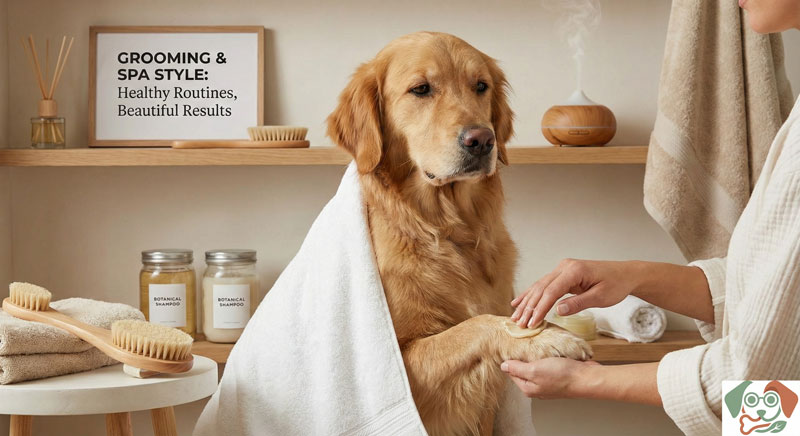
Face cleaning routine: Reduce obesity and keep bandanas photo-ready
Meta Description: A beginner-friendly face-cleaning routine to help manage your dog’s weight and keep bandanas looking photo-ready.
Quick Summary
- A simple daily face-cleaning routine supports hygiene, helps you notice changes, and pairs with short activity boosts to aid weight management.
- Pair face care with a few minutes of gentle exercise each day to help reach healthy weight and keep bandanas clean for photos.
- Use dog-safe wipes, soft cloths, and breed-aware care; involve reward-based training to keep mornings calm and positive.
Why This Matters for Your Dog
A clean face is easier to spot eye irritations, tear staining, or skin issues early. Regular cleaning also helps you keep bandanas looking fresh for photos and outings at the park, on apartment balconies, or during crate breaks. Importantly, a consistent routine that includes short activity helps with weight control, which is key for long-term health in dogs of all sizes. This approach is beginner-friendly, stress-free, and humane.
Common Causes (Key Factors)
- Obesity: Extra weight makes everyday movement harder and can reduce vitality. A steady, small daily activity window adds up.
- Food and treats: Hidden calories in quick snacks can derail weight goals if not tracked.
- Facial folds and tear staining: Moisture and debris can lead to staining and skin irritation, making cleaning more important.
- Infrequent cleaning: Grit, saliva, or food residue can make faces look dirty and photos less crisp.
- Breed-specific needs: Dogs with long folds (sarcasm-free here) or short noses may need gentler cleaning and more careful drying to avoid moisture buildup.
Step-by-Step What To Do
Prepare a small, dog-friendly setup:
– Tools: dog-safe wipes or a soft cloth, mild dog shampoo optional, a small cup of lukewarm water, a clean towel, and a gentle, breathable bandana.
– Space: apartment living may mean a cozy corner; suburban homes can use a kitchen mat or bathroom rug. Have a treat ready as a reward for cooperation.
1) Start with a warm, calm moment
– Sit with your dog in a quiet area. Use a soft voice and reward-based praise. This sets a positive tone for grooming and exercise later.
2) Face wipe and gentle wipe-down
– Use dog-safe wipes or a damp cloth to wipe around the eyes, muzzle, cheeks, and any dirt on the fur around the face.
– Wipe in the direction of fur growth with light, gentle strokes. Avoid scrubbing or pulling.
3) Clean facial folds and tear areas
– If your dog has facial folds, gently dry and clean between folds with a clean, damp cloth. Be extra careful to dry thoroughly afterward to prevent moisture buildup.
– For tear-staining areas, wipe away residue from the outer corners toward the nose. Use a fresh wipe as needed.
4) Quick brushing and inspection
– Brush the outer facial fur with a soft brush or cloth to remove loose hairs and prevent matting.
– Check for redness, swelling, or discharge around the eyes or nose. If you notice anything unusual, note it for your vet.
5) Light dental check and mouth care
– A quick check of the mouth helps with overall health. If your dog tolerates brushing, you can gently brush a small area with dog-safe toothpaste on a finger brush or soft brush. Keep sessions short and positive.
6) Tie-in with a short activity
– After cleaning, do a 10- to 15-minute activity that matches your living situation:
– Apartment: indoor fetch, stair climbs (if safe), or a structured play session with treats.
– Suburban: a brisk 15-minute walk or a short jog around the block, plus a sniffing walk to engage senses.
– This activity supports energy burn and helps with weight control while reinforcing positive routines.
7) Bandana care and photo-ready prep
– If you use a bandana, flip it inside out and wash every week or two, depending on wear. Use a gentle cycle and air-dry to keep colors vibrant.
– After drying, place a fresh bandana on your dog and snap a quick “photo-ready” moment during or after the routine.
8) Consistency and weekly touch-up
– Aim for a light face-cleaning routine most days, with a slightly deeper wipe-down once or twice a week. Tie this into your existing morning or evening routine for consistency.
Mistakes to Avoid
- Using human wipes or products not designed for dogs.
- Scrubbing too hard or soaking the face; this can irritate skin and eyes.
- Neglecting moisture in facial folds, especially in breeds with wrinkles.
- Overlooking portion control and daily activity—both support weight goals.
- Rushing the routine—keep it calm and positive with rewards.
When to Call a Vet or Certified Professional
- If you notice persistent redness, swelling, discharge, or eye changes.
- If facial skin shows signs of infection, rash, or persistent itchiness.
- If your dog is not progressing toward a healthy body condition with planned activity and portion control.
- If you see signs of obesity or rapid weight change, or if dental issues arise.
- Vet disclaimer: This guide offers general tips. For medical concerns, contact your veterinarian for personalized guidance.
FAQs
- How often should I clean my dog’s face?
- A quick wipe daily is fine for most dogs; many owners do a deeper clean 1–2 times per week or as needed for dirt or staining. Adjust for coats and breed needs.
- Can cleaning help with weight loss?
- Cleaning itself doesn’t cause weight loss, but pairing it with short daily activity and mindful portion control creates a healthy routine that supports weight management.
- Are wipes safe for dogs?
- Use wipes labeled dog-safe and fragrance-free. Avoid human wipes, especially those with fragrance or alcohol.
- My dog hates baths—can I manage facial cleaning without baths?
- Yes. Gentle wipes and short sessions with rewards work well. Build a positive routine with small, gradual steps and treats.
- Should I dry my dog after cleaning?
- Yes. Gently pat dry and ensure the face folds are dry to prevent moisture buildup.
This face-cleaning routine is designed to be practical for everyday American homes—apartment living, suburban houses, crate training, vet visits, park outings, and daily routines. It blends hygiene with gentle activity to support a healthier weight and keep bandanas looking fresh for photos and daily life. If you need personalized tips for your dog’s breed, weight, or grooming needs, your veterinarian or a certified professional can provide tailored guidance.