
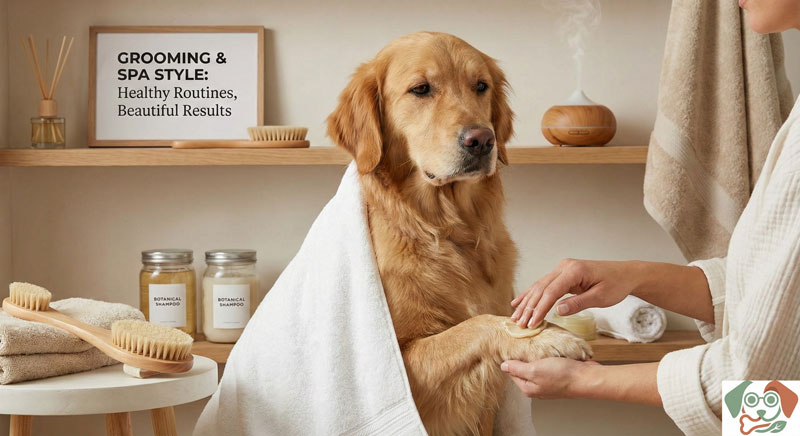
Face cleaning routine: Reduce itchy skin and keep bandanas photo-ready
Meta description: Gentle, beginner-friendly tips to ease itchy skin and keep your dog’s face—and bandanas—photo-ready with easy daily routines.
Quick Summary
- A simple, dog-safe face-cleaning routine can ease itchiness and keep bandanas clean for photos.
- Use mild, dog-specific products and gentle techniques to protect sensitive areas.
- Build routines around your home life—apartment vs. suburban—and add weekly deep-clean steps.
- Reward-based methods help your dog stay calm and cooperative.
- If itching or red areas persist, consult a vet for guidance.
Why This Matters for Your Dog
Dogs with itchy faces may scratch, rub, or paw at their cheeks, eyes, and muzzle. That can lead to more irritation and even cleanliness problems around the eyes and nose. A gentle face-cleaning routine helps you remove irritants like pollen, dirt, and Tear Stains, and it keeps bandanas looking fresh for photos and outfits. A calm routine also reduces stress for you and your dog, making grooming a positive, bonding moment.
Key Factors
- Dry indoor air and dust (common in apartments) can aggravate itching.
- Outdoor pollen, grass, and seasonal allergies affect many dogs.
- Fleas, mites, or skin infections can cause or worsen itchiness.
- Tear staining and eye discharge can irritate the facial area.
- Bandanas can trap dirt or irritants if not cleaned regularly.
- Proper products and gentle handling protect sensitive skin.
Step-by-Step What To Do
1) Gather your supplies
– Dog-safe facial wipes or a mild, unscented dog shampoo and a clean washcloth.
– A soft towel, a shallow bowl with warm (not hot) water, and a clean bandana that’s been washed.
– A brush suitable for your dog’s coat type. If you plan to reuse bandanas, have a small laundry basket for pet items.
Where this fits your home: In an apartment, keep a compact kit in a bathroom or entry hall so you can grab it quickly after outdoor time. In a suburban home, store the kit with your crate or laundry area so it’s easy to use after park days.
2) Do a quick daily face wipe
– Gently wipe the cheeks, muzzle, and under the eyes with a dog-safe wipe or a damp washcloth. Avoid rubbing directly into the eyes or inside the nostrils.
– Use a soft, single-direction motion from the outer edges toward the center to remove dirt and tear residue.
– Check for redness, swelling, or crusts. If you see any, note it for your vet visit.
3) If you prefer a deeper clean, use a mild method weekly
– Option A: No-rinse dog cleansers or lightly diluted, unscented dog shampoo. Follow label directions.
– Option B: A damp washcloth with a small amount of shampoo, then rinse with a clean damp cloth. Be careful around eyes and ears.
– Rinse or wipe away all soap thoroughly. Pat dry with a clean towel.
– If your dog has sensitive skin, test a small area first and stop if irritation occurs.
4) Keep bandanas clean and comfy
– Remove the bandana before face cleaning to avoid lip or chin irritation from friction.
– Launder bandanas in a gentle, pet-safe detergent. Dry completely before reusing.
– If your dog has skin sensitivities, choose natural fabrics and softer dyes. A clean bandana makes for great photo moments without irritation.
5) Drying, brushing, and self-check
– Gently pat the face dry with a towel; use a soft brush to keep fur neat around the cheeks and beard area.
– Look for flakiness, redness, or swelling. If you see crusts, consult your vet.
– Reward your dog with a treat or extra cuddle after the routine to keep it positive.
6) Tailor the routine to your home life
– Apartment life: indoor air can be dry; aim for more frequent light wipes (daily or every other day) and a once-weekly deeper clean.
– Suburban life: outdoor pollen and dirt are common; wipe after outdoor activities and dog park visits. Check for burrs or plant material on the face.
7) Make it a calm, humane training moment
– Use a reward-based approach: calm voice, treats, and praise.
– Start slowly: 2–3 minutes, then gradually extend as your dog stays relaxed.
– If your dog resists, take a break and try again later. Short sessions beat force.
8) Schedule health checkpoints
– Tie your cleaning routine to a regular vet visit or annual exam. Mention itchy facial skin or recurring redness.
– If you use topical products often, discuss safe options with your veterinarian, especially if your dog has sensitive skin or a medical condition.
Mistakes to Avoid
- Using human wipes, soaps, or fragrances that can irritate a dog’s skin.
- Cleaning aggressively or scrubbing hard around the eyes, nose, or lips.
- Failing to dry the face thoroughly, which can lead to moisture-related irritation.
- Ignoring persistent redness, swelling, odor, or hair loss near the face.
- Keeping bandanas dirty or damp next to the skin.
- Rushing the routine with little reward or patience; dogs pick up on stress.
When to Call a Vet or Certified Professional
- You notice persistent itching, redness, swelling, crusts, or hair loss on the face.
- The dog rubs or paw-pats the face excessively, or there’s an unusual odor.
- Symptoms worsen after cleaning or do not improve with routine care.
- There are signs of an allergic reaction or a skin infection (yellow or green discharge, warmth to touch, or fever).
- The dog shows signs of pain or discomfort during gentle handling.
- Note: This article provides general information, not medical advice. If your dog has ongoing itching or skin changes, consult a veterinarian for a proper diagnosis and guidance.
FAQs
-
Can I use baby wipes on my dog’s face?
Use only pet-safe products. Baby wipes often contain fragrance and soap that may irritate canine skin. Choose wipes labeled for dogs or a mild, unscented option and always test on a small area first. -
My dog hates having water on the face. What can I do?
Try no-rinse cleansers or very gentle, cloth-based cleaning. Break the routine into short, positive sessions with plenty of rewards. -
Will this help with tear staining?
Gentle cleaning can reduce tear-stain buildup over time, but tear staining can have multiple causes. If staining persists, discuss it with your vet. -
What if my dog is in an apartment and the air is dry?
Increase the frequency of light wipe-downs and consider a humidifier in the main living area to reduce irritation. -
How do I prepare my dog for crate training during grooming?
Introduce the crate gradually, using treats and praise. Practice short grooming sessions beside the crate so your dog associates the space with calm, positive experiences. -
Are there specific bandana fabrics to avoid?
Choose soft, breathable fabrics and avoid rough fibers that rub the skin. Wash bandanas regularly and dry completely before reuse. -
Should I take my dog to the vet for every itchy episode?
Not every episode; many itch issues are mild and temporary. If itchiness is frequent, spreading, or accompanied by other signs (rash, hair loss, lethargy), schedule a veterinary check.
This straightforward face-cleaning routine is designed for everyday American pet parents. It’s beginner-friendly, budget-conscious, and adaptable whether you live in a cozy city apartment, a sunny suburban home, or anything in between. With gentle techniques, dog-safe products, and a calm, rewarding approach, you can reduce itchy skin and keep bandanas looking great for photos and daily life alike. If concerns persist, your veterinarian is your best resource for personalized guidance and care.