
Quick Summary
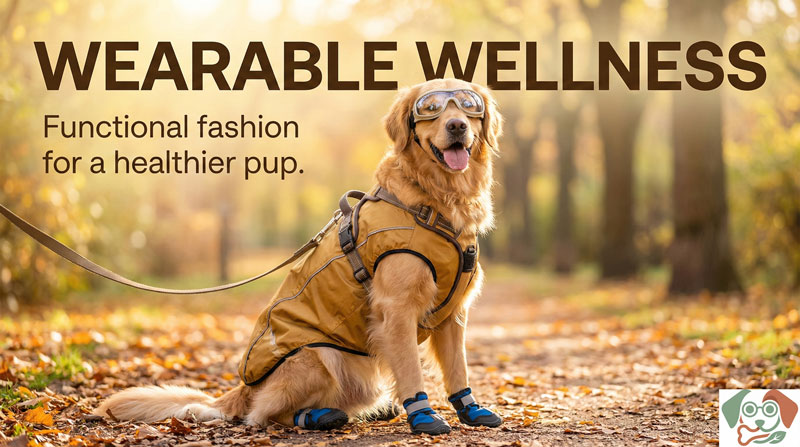
Doggles help shield your dog’s eyes from wind, sun, and debris during outdoor adventures or photoshoots. They can also reduce eye irritation that leads to rubbing and dehydration from stress. Start slow, fit them well, and pair with good hydration and shade for safe, happy sessions.
Meta description
Protect eyes and hydrate during dog photoshoots with doggles—wind, UV protection, and practical care for everyday dog parents.
Why This Matters for Your Dog
Bright sun and windy days can irritate a dog’s eyes. Debris in the wind, glare, and dry air can cause discomfort and temporary dehydration from stress or excessive panting. Doggles add a protective layer, making outdoor sessions more comfortable and enjoyable. They’re not a cure for dehydration, but when used with steady water access and shade, they support safer, longer plays and photoshoots.
Common Causes (Key Factors)
- Wind and dust can irritate the surface of the eye.
- UV exposure can sting and dry out the eyes, especially for light-colored dogs.
- Long outdoor shoots with little break time can elevate stress and fluid loss.
- In apartments or cars with sunny windows, glare can cause squinting and eye strain.
- In hot weather, dehydration can sneak up if water isn’t available regularly.
Step-by-Step What To Do
1) Choose the right doggles
– Look for UV protection (UV400 label) and a snug but comfortable fit.
– Pick a frame size that matches your dog’s snout and head shape. Adjustable straps and soft foam padding help prevent rubbing.
– Consider lenses with anti-fog features for longer shoots.
– Check for easy cleaning and durable stitching. Look for well-sewn straps and reinforced rims.
2) Start acclimating at home
– Introduce the doggles in a calm area like the living room. Put them on for 1–2 minutes with a high-value treat reward, then remove and praise.
– Repeat with brief sessions, gradually increasing to 5–10 minutes as your dog stays relaxed.
3) Check the fit before every use
– The goggles should sit squarely on the face, not too tight behind the ears or pressing the cornea.
– Straps should be snug enough to stay on without forcing the dog to groan. If the dog noses the goggles off, adjust the strap and retry.
– Look for a comfortable gap around the corners of the eyes so natural tear flow isn’t blocked.
4) Introduce wind and sun gradually
– On a quiet walk, start with gentle exposure. If your dog shows stress, pause and offer a treat, then try again later.
– For car rides with windows down, discuss with your vet if your dog needs eye protection; many dogs tolerate goggles for this purpose, but start indoors first.
5) Hydration and sun safety during shoots
– Always provide fresh water and plan for breaks. A portable collapsible bowl works well on location.
– Seek shade during outdoor shoots and keep sessions brief. Alternate photos with water breaks.
– Use lightweight clothing or a sun hat for you, and ensure your dog has a comfortable resting spot with shade nearby.
6) Photoshoot best practices
– Keep sessions short and fun. Use a calm cue and reward system for cooperation with the goggles.
– Bring a few props that your dog likes to hold attention (treats, toys) off-camera during breaks.
– If your dog becomes stressed, pause the shoot and switch to a calm activity off-camera.
7) Cleaning and care
– Wash with mild, dog-safe soap and warm water after outdoor use. Rinse and air-dry before storing.
– Inspect the lenses for scratches and replace if visibility is compromised.
– Store in a soft pouch to prevent bending or cracking.
8) Everyday routines and crate training
– Practice wearing doggles during crate time or nap routines to reduce anxiety during car rides or early morning shoots.
– If your dog has a known eye condition, consult your vet before using doggles. They can confirm whether eye protection is suitable and safe for your pet.
Mistakes to Avoid
- Forcing goggles on a reluctant dog. Progress slowly with plenty of rewards.
- Skipping acclimation or long sessions without breaks. Fatigue increases stress and reduces safety.
- Choosing cheap goggles that don’t seal well or fit poorly. Light leaks can irritate eyes.
- Not checking fit before a session. Poor fit can cause rubbing or chafing.
- Ignoring dehydration cues during hot or windy shoots. Water and shade are essential.
When to Call a Vet or Certified Professional
- If you notice persistent tearing, redness, squinting, or eye discharge after wearing goggles.
- If your dog shows signs of dehydration: dry gums, lethargy, sunken eyes, or excessive panting that isn’t relieved with water and shade.
- If there’s eye discomfort after a session or if you’re unsure about eye health in hot, sunny weather.
- A vet can assess eye health, advise on protective gear, and provide guidance for safe training and hydration strategies.
Vet disclaimer: This post offers practical tips and is not a medical diagnosis. For eye concerns or dehydration signs, contact your veterinarian for personalized advice.
FAQs
- Do doggles prevent dehydration? They don’t replace water. They reduce eye irritation that can worsen stress or rubbing, which sometimes disrupts hydration during long sessions.
- How long can my dog wear doggles? Start with short periods (5–10 minutes) and build up as your dog adapts. Stop if there’s any rubbing, rubbing, or distress.
- How should I clean doggles? Use mild soap and lukewarm water. Rinse well and air-dry before storing in a soft pouch.
- Are doggles safe for all dogs? Most dogs tolerate them after proper acclimation. If your dog has a sensitive tail-winned nose or eye condition, talk to a vet first.
- Can doggles be used in cars? They can help protect eyes from wind and debris. Introduce slowly and ensure your dog is secure and comfortable during travel.
With a patient approach, doggles can become a natural part of your dog’s outdoor routine. They support eye comfort, reduce wind irritation during photoshoots, and pair well with steady hydration, shade, and positive training. Your furry friend can look forward to safer, happier adventures—one calm session at a time.