
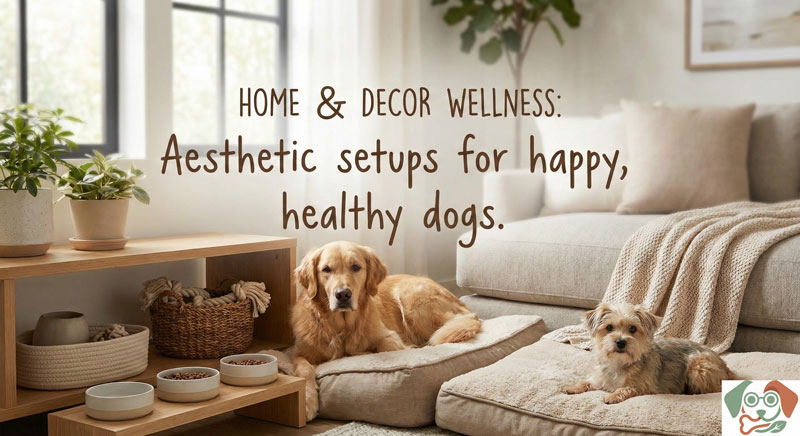
Designer crate cover guide: Comfort hacks for loose stools without overheating
Meta description: Easy, humane crate cover tips to comfort dogs with loose stools without overheating—apartment to suburban homes.
Quick Summary
- Use a breathable, well-ventilated crate cover to create a cozy den without trapping heat.
- Keep your dog hydrated and on a vet-approved diet if stools are off.
- Introduce the cover gradually, and stick to a calm crate routine.
- Watch for signs of overheating or illness and seek vet advice if needed.
Why This Matters for Your Dog
A crate cover can calm your dog and reduce stress, which sometimes helps with digestion and stool consistency. But a cover that blocks airflow or traps heat can make things worse. The goal is a comfortable, air-flow friendly den that supports good digestion, not a dark cave that overheats. This guide gives you practical, beginner-friendly steps you can try at home—whether you live in a sunny apartment or a roomy suburban home.
Key Factors
- Breathable materials: cotton, cotton blends, or lightweight canvas work best. Heavy fabrics trap heat.
- Ventilation: keep mesh panels or partial openings so air can circulate.
- Temperature: monitor inside-crate temps; aim for a cool, comfortable feel, not stifling warmth.
- Hydration and diet: consistent water and vet-approved dietary guidance help with stools.
- Routine: regular potty breaks, meals, and crate time reduce stress.
- Cleaning: fresh, washable covers prevent odor and keep surfaces hygienic.
Step-by-Step What To Do
1) Observe the stool and comfort level
– Note color, consistency, and frequency for 24–48 hours. Any blood, vomiting, or lethargy needs vet input.
– Check if your dog seems more anxious when the cover is on or off.
2) Pick the right breathable crate cover
– Choose a cover made of cotton or a lightweight fabric. Avoid vinyl or thick, non-porous materials.
– Look for built-in ventilation like mesh panels, or allow openings near the crate’s top and sides.
– Ensure the cover fits your crate snugly but can be easily removed for quick checks.
3) Set up a safe, comfortable crate space
– Place a soft, washable crate mat inside. Add a favorite toy for comfort.
– Position the crate away from direct sun and drafts. In an apartment, keep it in a quiet living corner; in a suburban home, a calm den or laundry room can work well.
– Keep a water bowl nearby or a water bottle attached to the crate if your dog is used to that setup.
4) Introduce the cover gradually
– Start with the cover half-on for 5–10 minutes to give your dog time to adjust.
– Increase coverage slowly over several days, always allowing quick removal if your dog shows stress or overheating signs.
– Monitor temperature inside the crate and remove the cover if your dog seems warm.
5) Maintain a calm crate routine
– Feed on a consistent schedule; give a potty break after meals.
– Use the crate for short, positive sessions (with treats and praise) and slowly extend time as your dog stays relaxed.
– If your dog parks at a dog park or enjoys visits, crate time can offer a predictable, safe space after those activities.
6) Support digestion with gentle, vet-approved steps
– Hydration is key. Offer fresh water regularly. If your dog won’t drink, ask your vet about electrolyte options.
– Diet: avoid dramatic changes. If you suspect a food issue, discuss a bland, easily digestible option with your vet (e.g., boiled chicken and rice is a common starter, but follow your vet’s guidance).
– Probiotics or stool-support options can be discussed with a veterinarian. Do not self-prescribe.
7) Keep cleanliness top of mind
– Wash the cover and crate mat regularly in a mild detergent.
– Dry completely before reusing to prevent dampness and odor.
– Wipe the crate interior if there are accidents; check for chew damage or wear.
Mistakes to Avoid
- Blocking airflow: covering vents or using heavy fabrics that trap heat.
- Over-wrapping: leaving the dog in a covered crate for long periods without breaks.
- Ignoring hydration: stool issues often need more fluids, not less.
- Using punishment-based methods for stool changes or crate time.
- Delaying vet advice when diarrhea persists or worsens.
When to Call a Vet or Certified Professional
- Diarrhea lasts more than 24–48 hours, or you see vomiting, lethargy, blood in stool, or signs of dehydration.
- Your dog is a puppy, senior, or has a stressful history; these groups are more vulnerable to dehydration.
- The stool changes are sudden and accompanied by fever, pain, or significant appetite loss.
- You’re unsure about diet changes or medications to help digestion.
Disclaimer: This article isn’t a substitute for professional veterinary care. If your dog seems unwell or symptoms persist, contact your veterinarian.
FAQs
-
Will a crate cover help with loose stools?
It can reduce stress and create a calm space, which sometimes helps digestion. It’s not a treatment, but part of a broader care plan. -
What is a designer crate cover?
It’s a decorative, purpose-built cover that fits over a crate while prioritizing breathability and ventilation. -
What materials should I look for?
Look for cotton or lightweight fabrics with vented panels. Avoid heavy plastics and non-porous fabrics. -
How do I clean the cover?
Use a mild detergent; wash and air-dry completely before reuse. Check your fabric care label. -
How long should I keep the cover on?
Start with short supervised periods, then adjust based on your dog’s comfort and heat cues. Remove for temperature checks or if your dog shows stress. -
How can I tell if my dog is overheating inside the crate?
Signs include excessive panting, drooling, bright red tongue, or seeming disoriented. If you see these, remove the cover, ventilate the space, and offer water. If symptoms persist, seek veterinary care.
If you’re a dog parent in an apartment or a suburban home, small changes can make a big difference. A breathable crate cover, gentle crate training, and a consistent routine work together to support your dog’s comfort and digestion. Remember to stay observant, patient, and kind as you tailor the setup to your dog’s needs.