
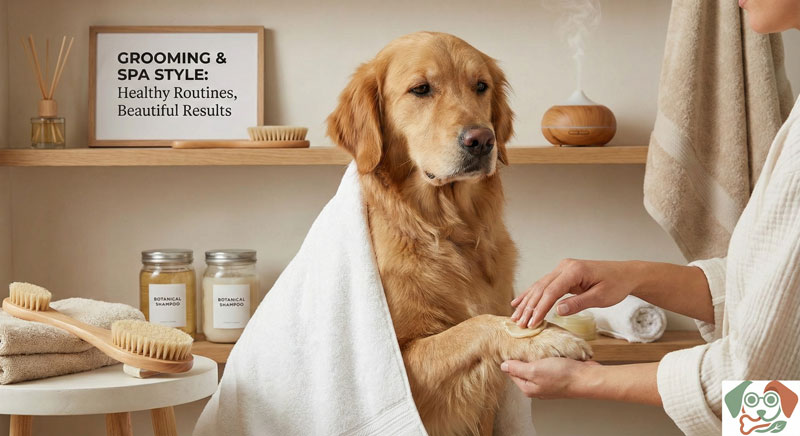
Coat Detangling for Doodles: Bow Tie Tips that Avoid Seasonal Allergies and Matting
Meta description: Bow-tie detangling Tips for doodles to prevent matting and ease seasonal allergies—practical grooming for American homes.
Quick Summary
- Brush your doodle every day with a soft brush to prevent mats.
- Use a fragrance-free detangler spray and a gentle, hypoallergenic shampoo.
- Section the coat and work from the ends to the skin, not the other way around.
- Create a simple bow-tie style to keep hair out of eyes and off the neck.
- Schedule regular trims with a professional groomer or vet-recommended groomer.
- If you notice redness, swelling, or persistent itching, call your veterinarian.
Why This Matters for Your Dog
Doodles have hair that tends to tangle easily. Mats can pull on the skin, cause discomfort, and make it harder for your dog to move freely. Regular detangling helps keep skin healthy and reduces friction that can worsen seasonal allergies. A neat bow-tie style not only looks cute but keeps hair away from the eyes and reduces irritation around the face and neck. With simple routines at home, you can protect your dog’s coat, skin, and mood—whether you live in a cozy apartment or a sunlit suburban yard.
Common Causes (Key Factors)
- Infrequent brushing leading to mats, especially behind the ears, at the neck, and on the chest.
- Long, loose hairs catching on collars, furniture, and park benches.
- Humidity or dry air that makes hair sticky and prone to tangling.
- Seasonal itching from allergies that makes dogs scratch and rub, which cords tangles into mats.
- Gaps in grooming due to busy schedules or avoiding grooming in extreme weather.
- Inexperienced handling: tugging on mats can hurt and create fear around brushing.
Step-by-Step What To Do
1) Gather kid-friendly supplies
– Soft-bristle brush for everyday top brushing.
– Wide-tooth comb for detangling knots.
– Sleek detangler spray and a mild, fragrance-free shampoo (dog-safe and hypoallergenic if possible).
– Towels, a non-slip mat, and a calm space (bathroom or bathroom sink works well in apartments; a utility tub or mudroom works for larger homes).
– Soft hair ties or clips for bow-tie styling; avoid metal parts that can snag.
– A gentle blow-dryer on cool/high-quiet setting (optional, but helpful if your dog tolerates it).
2) Prep a calm grooming routine
– Do brushing sessions after meals or playtime when your dog is more relaxed.
– In apartments, choose a small, quiet area away from busy doors and windows; in suburban homes, a larger space allows more movement.
– Short, five-to-ten-minute sessions are best for beginners; gradually extend as your dog gets comfortable.
3) Wet or wipe down, then detangle
– If your dog tolerates baths, a lukewarm bath with fragrance-free shampoo helps loosen mats. If not, wipe down with a damp cloth and detangler spray along the coat.
– Avoid over-wetting to prevent skin irritation. Focus on the areas prone to mats: behind the ears, under the jaw, and around the neck.
4) Section the coat into manageable parts
– Use your hands or clips to create two or three big sections on the body, plus smaller sections around the face and legs.
– Work on one section at a time to avoid getting overwhelmed.
5) Detangle from the ends up
– Lightly spray detangler on the ends first.
– Gently comb through with a wide-tooth comb, then use a soft brush to smooth.
– If you hit a stubborn knot, stop and re-wet the area with a little detangler, then gently work from the ends toward the skin. Never yank.
6) Bow-tie styling for a tidy look
– The bow tie helps keep hair away from the eyes and mouth and creates a cute, tidy look.
– How to form it: part the hair on both sides of the neck into two equal sections. Gather the first section toward the center of the neck and secure with a soft elastic band near the base (but not tight against the skin). Do the same with the second section so two loops resemble a bow. Adjust so the center knot sits just below the chin or a bit higher on the neck, depending on your doodle’s coat length.
– If your dog hates clips, consider a simple, soft band and a gentle touch. Always check that any tie is not too tight and that it sits comfortably against the skin without pinching.
– Finish by smoothing the rest of the coat with a light brush to prevent any stray hairs from peeking out.
7) Drying and protective finishing
– If you used water, dry on a cool or warm setting (not hot) while brushing to prevent static and tangling.
– Use a fragrance-free, dog-safe conditioning spray for shine without buildup.
– Make sure the coat is completely dry before letting your dog roam the house to prevent damp smells and skin issues.
8) Daily and weekly maintenance
– Quick daily routine: 5–10 minutes of brushing, especially after meals or outdoor activity.
– Deep detangling: 20–30 minutes once or twice a week, depending on coat length and activity.
– Professional grooming every 6–8 weeks is a common guideline; your vet or groomer can tailor this to your dog’s coat and skin needs.
Mistakes to Avoid
- Rushing through mats: pulling or tugging can hurt, increase anxiety, and create more tangles.
- Using human products or scented shampoos on dogs; fragrances can irritate sensitive skin and trigger itching.
- Skipping sessions in humid seasons or busy weeks; mats form quickly when brushing is skipped.
- Neglecting to check for skin irritations or redness under mats; early signs help prevent bigger problems.
- Relying on heavy tools for stubborn mats; often, a gentler approach with detangler and patience works best.
- Leaving a bow-tie too tight or with rough edges that can irritate the neck.
When to Call a Vet or Certified Professional
- You notice persistent redness, swelling, crusting, discharge, or a bad odor around skin or coat.
- Your dog experiences ongoing itching, hair loss, or sores not improving with home care.
- Mats are severe, covering large areas or close to the skin, causing pain or restricted movement.
- Your dog shows signs of stress or fear during grooming that doesn’t improve with gradual desensitization.
- You’re unsure how to safely trim or remove a difficult mat without risking skin injury.
Note: This guidance helps with comfort and care but is not medical advice. If you have health concerns about your dog’s skin, coat, or allergies, consult a veterinarian for a personalized plan.
FAQs
Q: Can I detangle if my doodle has a few small mats?
– A: Yes. Spritz with detangler, work from the ends, and gradually work toward the roots. Reward calm behavior to keep brushing a positive experience.
Q: How often should I brush a doodle in an apartment vs. a suburban home?
– A: Daily quick brushing suits both settings. In apartments, shorter sessions can fit into mornings or evenings; in suburban homes, you can schedule a longer weekly detangling session.
Q: Do doodles really have seasonal allergies?
– A: Many dogs show seasonal itchiness or skin changes at certain times of year. If you notice persistent itching, licking paws, or red skin, speak with your veterinarian. Grooming routines can help reduce irritation when done gently and consistently.
Q: What if I don’t know how to cut a mat safely?
– A: It’s safer to seek a professional groomer or ask your vet for a demonstration. A gentle trim performed by a skilled groomer is better than risky DIY cuts.
Q: Are bow ties safe for dogs?
– A: When done with soft bands and not too tight, bow ties are safe and can be adorable. Always supervise your dog to prevent chewing or tangling.
Q: How do I start a grooming routine with a new doodle?
– A: Begin with short, calm sessions. Reward calm behavior with treats and praise. Gradually increase the duration as your dog becomes more comfortable with brushing, detangling, and the bow-tie styling.
If you stay consistent, your doodle will benefit from a healthier coat, less matting, and a happier grooming routine. Remember to keep things gentle, reward-based, and patient—your dog will thank you with more comfortable, confident days at home, at the park, and on walks.