
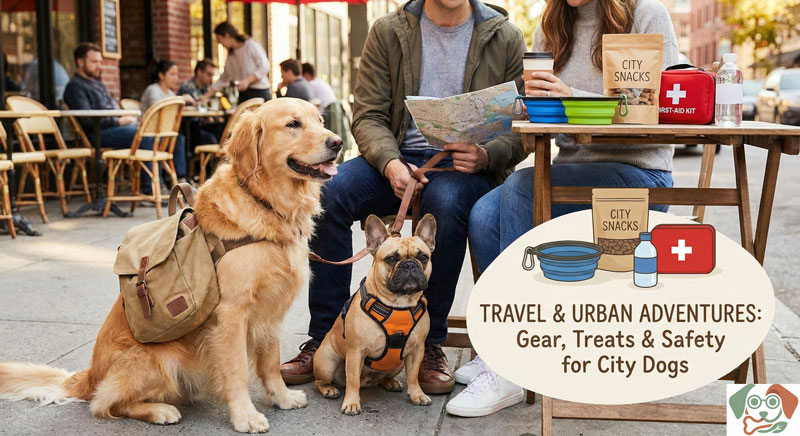
City walk essentials: long line setup to avoid seasonal allergies on pavement
Meta description: City walks with a long line help reduce pollen exposure on pavement while keeping your dog safe, happy, and healthy.
Quick Summary
- A long line keeps your dog near you while you steer them away from pollen-heavy pavement during allergy season.
- Use a comfortable harness, a sturdy 10–20 ft leash, and reward-based training to guide your dog.
- Plan routes, check the weather, and rinse paws after walks to cut exposure risks.
- Common mistakes: using a retractable leash, letting the dog run free on busy sidewalks, or ignoring signs of irritation.
- When in doubt about allergy symptoms, consult your vet for guidance.
Why This Matters for Your Dog
Seasonal allergens can irritate noses, eyes, and skin. Pollen, dust, and road grime cling to paws and fur and can be tracked indoors, triggering sneezes or itching. A long line gives you control while still letting your dog explore safely. It also reduces pavement contact during peak pollen times, helping your dog stay comfortable on city walks. For apartment dwellers, a long line can create space for safe, controlled exploration in tight sidewalks; in suburban neighborhoods, it supports more distance while staying within safe sight.
Key Factors (Common Causes of Pavement-Related Allergy Exposure)
- Pollen and dust on hot pavement. Heat can trap more allergens on surfaces your dog touches.
- Irritants from car exhaust and street grime that cling to fur.
- Dry, cracked pavement that irritates sensitive paws and pads.
- Wet conditions that spread mud and pollen more easily inside your home.
- Young dogs or dogs with sensitive skin prone to itching after contact with environmental allergens.
Step-by-Step What To Do
1) Choose gear that fits your home.
– Use a well-fitted front-clip or back-clip harness (not a collar) to protect the neck.
– Pair with a 10–20 ft standard long line. For apartments, 10–15 ft is often enough; for suburban walks, 15–20 ft gives more room to steer away from pollen patches.
2) Prep the walk.
– Check pollen counts and forecasted winds. Plan routes with shaded, less-pollen streets when possible.
– Clean the dog’s paws before coming inside if you expect heavy pollen on pavement. A quick wipe with a damp cloth works well.
3) Set up the long line properly.
– Attach the line to the harness and keep the handle in a comfortable grip.
– Do a quick balance check: you should be able to reach your dog with a gentle tug or cue without pulling hard.
4) Teach gentle proximity cues.
– Establish a “follow” cue or “near me” using rewards.
– Reward when the dog stays within a safe distance and looks up to you for direction.
5) Practice reward-based steering.
– Use treats and praise to guide your dog away from the hottest pollen patches.
– If the dog drifts toward a curb or street, calmly redirect with a cue and a reward when they back off.
6) Build safe routines at home and outside.
– After each walk, wipe paws, check for redness or irritation, and inspect fur for clingy pollen.
– If you live in an apartment, keep a small mat near the entry for quick paw checks and a crate or mat for rest after the walk.
7) Crate or rest after city walks.
– A calm rest period helps the coat shed pollen more effectively than rushing to other activities.
– Regular grooming sessions, including brushing, reduce pollen carried into living spaces.
8) Vet-friendly hygiene habits.
– If your dog shows persistent sneezing, coughing, itching, or paw-chewing after walks, note when it happens and share this with your vet. This is a non-diagnostic tip only; a professional can assess allergies or irritants and suggest a plan.
Mistakes to Avoid
- Using a retractable leash on busy sidewalks. It reduces control and can lead to sudden pulls or tangles.
- Letting the dog roam freely on crowded pavement during allergy season. You miss chances to steer away from pollen patches.
- Ignoring paw hygiene after walks. Pollen and asphalt grime can irritate skin and pads.
- Choking or harsh corrections. Stick to humane, reward-based moves and gentle redirections.
- Skipping routine vet checks when you notice ongoing symptoms.
When to Call a Vet or Certified Professional
- Your dog has persistent sneezing, coughing, snoring changes, or itchy skin that lasts more than a few days.
- There are red paw pads, swelling, or unusual discharge.
- You’re unsure whether symptoms point to seasonal allergies or another condition.
- You’d like a personalized plan for your dog’s exposure to city environments.
Note: This article offers general care tips and is not a substitute for veterinary advice.
FAQs
-
Q: Is a long line safer than a regular leash in cities?
A: A long line gives you space to steer away from pollen while maintaining control, which often improves safety and reduces irritation risk. -
Q: How long should a walk be when using a long line?
A: Start with 15–20 minutes and adjust based on your dog’s energy, weather, and comfort. Shorter, more frequent sessions can reduce allergen exposure. -
Q: Can I train my dog to ignore all pollen patches?
A: You can train to gently avoid patches by using rewards to redirect attention. It’s about gradual exposure and consistent cues. -
Q: What about dog parks during allergy season?
A: If pollen is heavy, it may be better to skip or shorten dog park visits and focus on controlled city walks with a long line until allergies ease. Always follow park guidelines. -
Q: Are there grooming tips that help?
A: Regular brushing, paw cleaning after walks, and wiping down fur can reduce indoor pollen. A veterinarian can advise on seasonal skincare if irritation occurs.
If you’re a beginner, remember: progress comes in small steps. Start with a shorter line in low-traffic, lower-pollen zones, celebrate small wins with treats, and gradually extend your practice as your dog grows more confident. Your city walks can be safer, calmer, and more enjoyable for both you and your dog when you pair a thoughtful long-line setup with reward-based training and simple daily routines.