
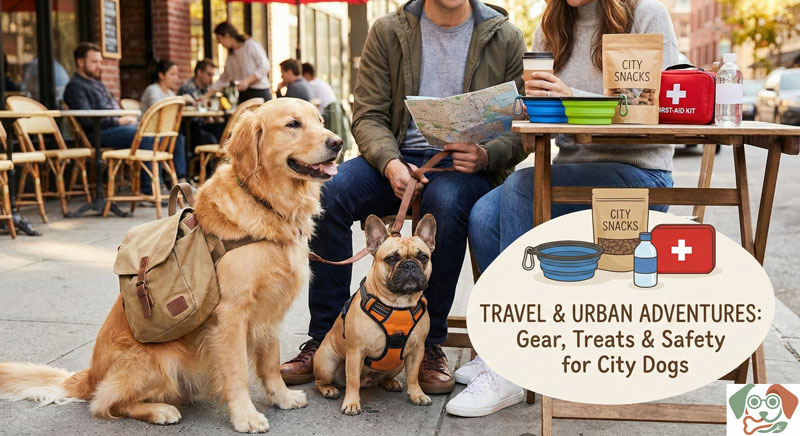
The Chic Transit Kit: Snood, Wipes, and Treats for Dehydration Management
Meta description: A beginner-friendly guide to a chic transit kit—snood, wipes, and treats—for easy dehydration management in dogs.
Quick Summary
- The chic transit kit helps you spot and respond to dehydration on the go.
- Components: a lightweight snood, unscented dog wipes, and tasty, hydration-friendly treats.
- Use in apartments, suburban homes, car trips, dog parks, and crate routines.
- Act quickly if signs worsen; always back up with a vet visit when needed.
- Training tip: reward-based, humane steps to encourage drinking and resting.
Why This Matters for Your Dog
Dehydration can sneak up during hot days, long walks, or car rides. In flats, a lack of space means you’ll rely on routines and portable gear more often. In the suburbs, dogs might enjoy longer outdoor trips, which increases hydration needs. A simple transit kit keeps water, comfort, and bite-sized encouragement within reach. It also makes post-play hangs, crate time, and vet visits smoother by reducing stress around hydration checks.
Common Causes (Key Factors)
- Heat and sun exposure during walks or park visits.
- Intense play followed by limited water access.
- Delayed water intake after exercise or travel.
- Illness or dental issues that make drinking harder.
- Environmental factors, like dry air in apartments or heated cars.
Signs of dehydration to watch for:
– Dry gums, sticky saliva, and tongue sticking to the mouth.
– Lethargy, sunken eyes, or less curiosity.
– Delayed skin elasticity in some dogs (if you gently test, the skin may stay tented briefly).
Note: This is not medical advice. If you’re unsure or dehydration seems severe, contact your vet promptly.
Step-by-Step What To Do
1) Build your transit kit
– Snood: choose a light, breathable fabric. It can stay around the neck for comfort, warmth, or a bit of shade during sunny days. In hot weather, you can dampen it with cool water and gently wring it out before placing it around the neck for a calming cooling effect.
– Wipes: carry unscented dog wipes. They’re great for wiping the muzzle after drinking, cleaning a muddy mouth, or refreshing during a rest break. Use gentle strokes and avoid vigorous rubbing.
– Treats: pick soft, tasty, small bites that your dog loves. Use these to encourage small sips or to reward calm behavior during hydration breaks. If you’re giving any broth or moisture-rich snacks, choose dog-safe options and serve in small amounts.
2) Plan for apartment life
– Schedule regular mini-breaks during long indoor sessions to offer water or moisture-rich treats.
– Keep the snood handy for chilly evenings or air-conditioned rooms where your dog might get a bit stiff or anxious during car rides or crate time.
– Use wipes after outdoor potty visits to keep lips clean and encourage licking at the water bowl later.
3) Plan for suburban life
– On walks or trips to the park, pause in shade every 10–15 minutes and offer a sip of water. If your dog isn’t drinking yet, you can dampen a wipe and lightly moisten the lips to stimulate interest.
– When returning to the car, recheck water availability. A small, hand-held bottle with a squeeze cup can pair nicely with the wipes and treats.
4) During crate training and rest
– Place the snood loosely around the neck for comfort during calming crate breaks.
– After activity, present a few small hydration-friendly treats to encourage drinking and resting.
– If your dog shows signs of dehydration, use the wipes to gently soothe the mouth area and offer water in small, frequent sips, not large gulps.
5) In transit and vet visits
– Keep the kit in an easy-to-reach bag or backpack. It should be accessible during rides or park trips.
– If you need to visit the vet, bring the snood and wipes for comfort, and some treats to keep your dog calm in the waiting room.
6) Humane, reward-based reminders
– Always reward your dog for drinking or trying new fluids. Use the treats as positive reinforcement after water intake.
– Do not force water or use ice-cold drinks abruptly. Encourage steady, calm drinking.
Safety note: Do not diagnose or dose medications. For health topics, this guide offers general tips only. If dehydration is suspected or if your dog has a medical condition, consult a veterinarian.
Mistakes to Avoid
- Forcing water or using large boluses at once; it can cause choking or distress.
- Giving sugar-heavy human beverages or electrolytes without vet advice.
- Assuming a dog will drink enough without offering water regularly during outdoor activities.
- Using a dampened snood as a sole cooling method in extreme heat; always provide shade and fresh water as well.
- Skipping vet visits when dehydration signs are persistent or worsening.
When to Call a Vet or Certified Professional
- Dehydration signs persist beyond a few hours despite sipping water.
- Your dog is vomiting, has diarrhea, or shows extreme lethargy.
- There’s a noticeable drop in activity, pale gums, or rapid heart rate.
- Your dog has a known medical condition that affects hydration (old age, kidney issues, diabetes).
- If you’re unsure, it’s better to consult a vet for guidance.
Vet disclaimer: This article is for general information and is not a substitute for professional care. If dehydration is suspected or symptoms worsen, contact your veterinarian promptly.
FAQs
- What is dehydration in dogs? It’s when a dog loses more fluids than they take in. It can show as dry gums, lethargy, or sunken eyes.
- How can I rehydrate my dog safely? Offer small sips of fresh water and moisture-rich treats. If your dog won’t drink, use a damp wipe to moisten the lips and gums and try again after a short break. Do not force large amounts at once.
- Are electrolytes okay for dogs? Only with veterinary guidance. Some products are designed for pets, while others can be unsafe. Check with your vet before giving any electrolyte product.
- Can a snood help with dehydration management? A snood can provide comfort and help with temperature regulation when dampened lightly in hot weather. It’s not a cure, but it can aid relaxation during transit and rest.
- What if my dog hates water? Start with small amounts, use tasty treats to reward sipping, and keep a calm routine. Wipes can help stimulate the mouth area to encourage drinking.
- Do I need a vet after every dehydration episode? Not every time, but persistent or severe signs require a vet visit. If you’re unsure, call your vet for advice.
With these practical steps, your chic transit kit becomes a friendly, humane safety pocket for daily life. Whether you’re in a city apartment, a quiet suburban street, or heading to the dog park, you’ll have a reliable, gentle way to support your dog’s hydration, comfort, and well-being.