
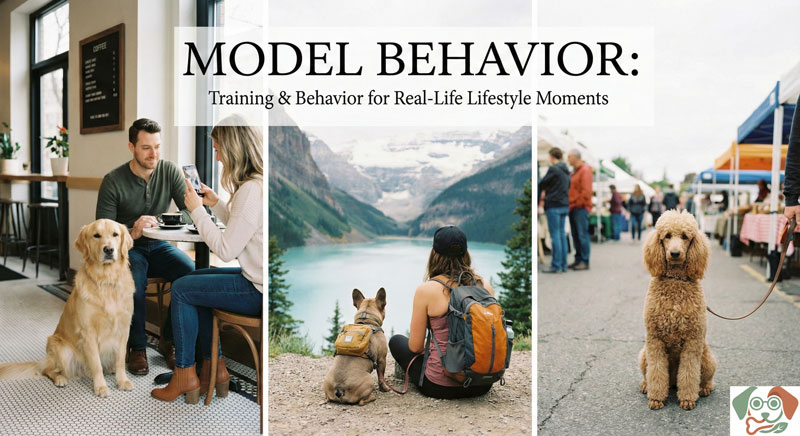
Loose-Leash Walking Made Chic: Reward Plans That Avoid Reverse Sneezing and Keep Energy Steady
Meta description: Simple, humane rewards for loose-leash walking that keep energy steady and minimize reverse sneezing—apartment or suburban 생활 tips for American dog owners.
Quick Summary
- Teach your dog to walk calmly on a loose leash using small, frequent rewards.
- Use front-clip harnesses, clear cues, and short practice sessions.
- Build energy management with breaks, sniff time, and crate routines.
- Know how to handle reverse sneezing calmly during walks.
- When to seek help from a vet or trainer: persistent issues or health concerns.
Why This Matters for Your Dog
A calm, well-mannered walk makes daily life easier. It protects your dog from injuries and reduces stress for everyone in the family. Steady energy helps with potty training, socializing, and safety on sidewalks, in parks, and at apartment buildings. Reward-based, humane methods work best and are easier to maintain in a busy American schedule. This plan suits an apartment hallway, a suburban cul-de-sac, or a neighborhood park, and it fits beginners who want clear steps and quick wins.
Key Factors (Common Factors That Affect Loose Leash Walking and Breath Flare)
- Energy level and routine: dogs with pent-up energy pull more. A steady schedule helps.
- Gear fit: a well-fitted front-clip harness or head halter reduces pulling and is easier on your dog’s neck.
- Environment: busy sidewalks, scents, and other dogs can trigger excitement or sniffing that pulls you off balance.
- Breathing and triggers: some dogs sneeze or “reverse sneeze” when excited or surprised. Prepare to pause and calm the dog rather than push through.
- Training consistency: short, daily practice beats long, infrequent sessions.
- Health basics: hydration, warmth, and general fitness influence energy and breathing. Always check with a vet if something feels off.
Note: This post offers practical, reward-based guidance. It does not replace veterinary advice. If your dog shows coughing, wheezing, or frequent or painful breathing changes, contact your veterinarian promptly.
Step-by-Step What To Do
1) Gear up and set the stage
– Choose a well-fitted front-clip harness or a well-fitting “no-pull” harness. Avoid tight collars that can cause pulling or neck strain.
– Use a standard 4–6 foot leash. Long lines can tempt your dog to surge; a shorter leash keeps you in control.
– Have a pocket with tasty, small treats and a couple of dog-safe toys. Use high-value rewards for good days and ordinary treats for everyday practice.
– Clear a simple practice space: a quiet apartment hallway, or a calm segment of your yard or street. Suburban sidewalks work well too.
2) Build a basic crate and routine foundation
– Crate time helps energy management. Start with 5–10 minutes at a time, gradually increasing as your dog shows comfort.
– Pair crate time with calming activities (a chew toy, a small puzzle). This reduces anxiety that can spike walking tension.
– Create a predictable daily pattern: morning walk, meal times, play, crate, evening walk. Predictability lowers stress and improves focus.
3) Start with short, frequent leash-walk sessions
– Begin with 2–3 short sessions each day, 5–8 minutes each in a low-distraction setting.
– Before you step outside, give a quick cue like “Let’s go” and a quick reward only when the leash is slack.
– If the leash tightens, stop. Stand still, breathe, and wait for your dog to give you space or look back. When the leash slackens, praise and reward. This teaches that pulling doesn’t move you forward.
4) Teach “walk nice” and a clear rewards system
– As you move, reward your dog for staying by your side and having a loose leash. Use a treat in your left hand or a clicker if you use one.
– When you see your dog start to pull, pause and wait for the leash to loosen before resuming. Repeat consistently.
– Add a verbal cue like “easy” or “by my side” when your dog matches your pace. Reward immediately.
5) Manage energy and teach sniff breaks
– Dogs need both exercise and sniffing time. Alternate brisk walking with short sniff breaks at 20–30 second intervals.
– If your dog is a heavy sniffer, you can cue a brief sniff after several steps of walking. Reward with a single high-value treat when the leash is slack again after sniffing.
– In an apartment, designate a “sniff corner” or a short yard corner for a planned sniff break during your walk.
6) Address reverse sneezing calmly
– Reverse sneezing is common and usually not dangerous, but it can startle you and your dog. If you hear a sudden, loud inhalation with rapid, repeated snorting:
– Pause walking briefly. Keep the leash slack.
– Check for triggers: cold air, drafts, strong scents, or excitement from a passing dog.
– Calm your dog with a soft voice, slow breathing, and a gentle pat. Offer a small reward once the episode ends.
– After a short pause, resume at a calm pace with a shorter leash and a positive cue.
– If reverse sneezing becomes frequent, or if you notice coughing, gagging, nasal discharge, or breathing distress, contact your vet. This post is for general guidance and not a diagnosis.
7) Practice in different settings
– Apartment hallways: practice starting near the door, then walking toward the building lobby or common area. Keep sessions short and rewarding.
– Suburban blocks: practice around the block with planned stops for sniff breaks. Use residential crosswalks and avoid heavily trafficked times if your dog is tense.
– Dog parks: start with quiet times and a short leash-tied entrance. Reward calm behavior on the edge of the park before allowing closer access to others. Use a longer leash only after you have solid control on a shorter one.
– Crate integration: after a walk, place your dog back in the crate with a chew toy or puzzle to settle energy and reinforce a calm transition.
8) Build a sustainable plan
– Schedule two to three 5–10 minute walks daily, plus one longer walk (15–25 minutes) on weekends if your dog tolerates it.
– Include two daily sniff sessions of 1–2 minutes to satisfy curiosity and lower stress.
– Rotate treats and rewards to keep things interesting, using a mix of kibble bits, small soft treats, and occasional high-value rewards.
9) Safety reminders for daily life
– Always supervise leash use. If a dog lunges toward a street or another dog, calmly redirect to your cue and reward when calm.
– If you’re in a busy area, avoid retractable leashes. They encourage inconsistent teaching and can be unsafe.
– Maintain consistent cues across family members so your dog learns the same rules everywhere.
Mistakes to Avoid
- Yelling, scolding, or jerking the leash: this creates fear and may worsen pulling.
- Relying on a collar: use a harness that discourages pulling; never leave a dog unattended with a harness that could slip off.
- Expecting one long walk to fix behavior: short, frequent training is more effective.
- Ignoring arousal cues: if your dog is overly excited, pause and use a calm, steady pace before resuming.
- Overusing rewards in a way that makes the dog expect constant treats on walks: keep a balance with praise and occasional rewards when needed to shape behavior.
- Using a highly distracting environment without gradually increasing difficulty: start in low-distraction spaces and slowly add more background activity.
When to Call a Vet or Certified Professional
- If reverse sneezing is frequent, severe, or accompanied by coughing, gagging, nasal discharge, or breathing distress.
- If your dog shows persistent lethargy, loss of appetite, or unusual breathing at rest.
- If leash walking remains tense despite consistent practice or your dog seems overly anxious in daily life.
- If you’d like personalized guidance, a certified dog trainer or behaviorist can help design a plan tailored to your dog’s breed, age, and energy level.
- Safety note: this content does not diagnose medical conditions. For health concerns, contact your veterinarian promptly.
FAQs
-
What is loose-leash walking, exactly?
Loose-leash walking means your dog walks beside you with the leash relaxed, not taut. You move at a pace your dog can match without pulling, and you reward calm behavior. -
How long does training take?
It varies by dog. Most owners see improvements in 2–6 weeks with daily short sessions. Consistency is key. -
Can reverse sneezing be dangerous?
It’s usually harmless but can be a sign of irritation or a trigger like excitement or cold air. If it’s frequent or severe, talk to your vet. -
My dog is a rescue with noise and leash issues. Is it harder?
It can be more challenging, but small, patient steps and a predictable routine help a lot. Work with a trainer if needed. -
Can I use treats on walks without spoiling my dog?
Yes. Use treats strategically—reward only for loose-leash walking and calm behavior. Mix in praise and occasional rewards to keep it balanced. -
What about apartment life vs. a suburban home?
Apartments often require more frequent short practice sessions and frequent sniff breaks to burn energy without overwhelming the stairs or shared hallways. Suburban homes give more space for longer walks, quieter streets for practice, and easy access to yards for crate routines and energy burn. Adapt the plan to your space, but keep the core principle: reward calm, keep leash slack, and practice daily.
Safety: This post emphasizes humane, reward-based methods. It does not provide medical dosing or diagnosis. For health concerns, contact your veterinarian. For training, consider consulting a certified professional if you need extra support or tailored plans for your dog.
If you keep these steps steady and gentle, loose-leash walking can become a stylish, practical part of your daily routine. Your dog will learn to stay by your side with energy that’s steady, and you’ll both enjoy safer, happier outings—from apartment door to park path.