
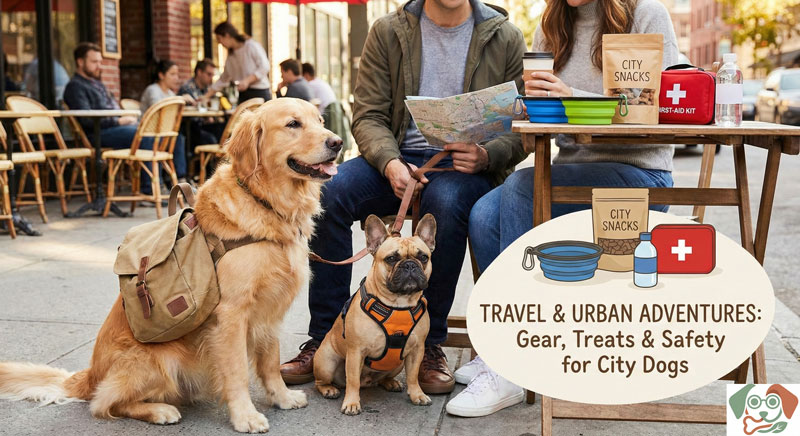
Meta description: Camping gear guide for dog owners: use a step-in harness and tasty snacks to help your pup stay calm on trips.
Quick Summary
- A well-fitting step-in harness helps reduce stress and leash pulling on trails and campsites.
- Pack high-value snacks to reward calm behavior and ease transitions.
- Practice harnessing, stepping in, and basic leash walking at home before your trip.
- Create a calm campsite routine with water, shade, a comfy crate or tether, and consistent breaks.
- Keep safety in mind: hydration, heat awareness, and respectful handling at dog-friendly spots.
Why This Matters for Your Dog
Camping can be exciting, noisy, and new. A step-in harness gives you gentle control without pressure on the neck. Snacks create positive associations with new sounds, smells, and crowds. With some prep, your dog can enjoy the outdoors while staying calm and safe. This helps prevent stress-related accidents and strengthens your bond.
Common Factors
- Unfamiliar sounds: crackling tents, campers, and wind can unsettle dogs.
- Crowds and trails: busy campsites or dog-friendly parks add overstimulation.
- Leash tension: pulling increases anxiety for an anxious dog.
- New sleeping spots: unfamiliar beds or crates can trigger stress.
- Weather and heat: heat, sun, or rain change routines and energy levels.
- Routine shifts: feeding times, potty breaks, and rest periods may be off.
Key factors to focus on: harness fit, predictable routines, high-value treats, and a safe crate or resting space.
Step-by-Step What To Do
1) Choose the right step-in harness
– Look for a harness that belly- and chest-fit, with a simple two- or three-strap design and a secure leash attachment.
– Pick reflective materials for low light walks and easy visibility near campsites.
– Check for adjustable girth and chest width so you can grow with your dog. A three-finger snug test (you can fit three fingers under the strap) is a helpful rule of thumb.
2) Fit and test at home
– Measure neck and chest girth; choose the correct size per the manufacturer’s chart.
– Put the harness on at home and let your dog sniff it first. Reward calm behavior with a small treat.
– Practice short, indoor sessions: step in, fasten, walk a few steps, then remove and praise.
3) Introduce harness gradually and build confidence
– Over 3–7 days, repeat short sessions. Increase duration as your dog stays relaxed.
– Pair the harness with treats and a favorite toy to build positive associations.
– Keep sessions short after the first signs of stress and end on a calm note.
4) Snacks strategy for stress management
– Bring high-value, easy-to-digestion treats (small bites work best at camp).
– Use a treat pouch or lightweight container for quick access.
– Schedule rewards at key moments: when leaving the car, during transitions, after calm behavior, and after encountering new sights or noises.
– Pack a mix of familiar favorites and travel-safe options.
5) Pre-camp conditioning at home
– Do short car rides to simulate travel and reward calm riding.
– Practice crate time or x-pen setup in your living room or bedroom; gradually extend time.
– Take short walks with the harness on and practice gentle leash handling on familiar routes.
6) Packing and campsite routine
– Essentials: step-in harness, leash, collapsible bowls, plenty of water, snacks, poop bags, a basic first-aid kit, and a familiar toy or blanket for comfort.
– At the campsite, set up a quiet space with a crate or x-pen if your dog is crate-trained. Place it in a low-traffic area.
– Keep a predictable schedule: potty breaks, meals, play, and rest times. Bring shade or a sun umbrella and an elevated spot to avoid hot ground.
7) On the trail and at the campsite
– Start slow; observe signs of stress (panting, yawning, lip-licking). If you see these, slow down, offer a quick break, and reward calm behavior.
– Use the harness for gentle guidance rather than correction. Reward good attention to you and to your surroundings.
– Always supervise around campfires, cooking areas, and cooking smells. Keep your dog away from hot surfaces.
8) Night and morning routines
– Maintain a consistent bedtime routine. A familiar blanket or toy can help comfort your dog.
– Keep water accessible. Plan for cooler evening hours and morning walks.
9) Returning home
– Recreate a similar routine back home to ease the transition: same feeding times, potty breaks, and a gradual taper of camping-specific activities.
Mistakes to Avoid
- Forcing the harness or using aversive methods to “train out” stress.
- Leaving a harness on unsupervised in hot weather or while your dog is in a tent without supervision.
- Overloading with treats or giving big treats during every moment of stress.
- Ignoring early stress signals and pushing through without rest or breaks.
- Skipping crate training or a calm resting space, increasing the chance of restlessness.
- Not adjusting routines when returning from camping, leading to confusion for your dog.
When to Call a Vet or Certified Professional
- If stress signs persist or worsen over several sessions, or if your dog shows extreme panting, collapse, vomiting, or not eating after camping.
- If you notice injury, limping, or signs of heat-related illness (excessive drooling, lethargy, confusion).
- If training feasibility or behavior concerns persist despite consistent, humane efforts.
- For specialized help, consult a licensed veterinarian or a certified dog trainer or animal behaviorist.
Note: This article offers general guidance. It does not replace the advice of a veterinarian. If your dog has medical issues or you’re unsure about symptoms, contact your vet promptly.
FAQs
-
Will a step-in harness reduce pulling?
A well-fitted step-in harness can reduce neck strain and provide better control, especially for calm handling in busy campsites. -
What snacks work best for stress?
High-value, small treats work best. Keep them portable and easy to chew. Avoid overfeeding during trips. -
How long should I practice before camping?
Start at least 2–3 weeks before your trip with short sessions; ramp up gradually to longer, more varied environments. -
Is crate training essential for camping?
A calm sleeping or resting space helps most dogs feel secure. If your dog is crate-trained, it often reduces stress at a campsite. -
How should I handle crowds at dog-friendly parks?
Keep your dog on a short leash until you know the area and other dogs. Use treats to encourage calm behavior and give space to others as needed. -
What about health checks before camping?
Ensure vaccines are up to date and discuss parasite prevention with your vet. A quick check before a trip helps catch issues early.
By preparing with a sturdy step-in harness, tasty snacks, and a clear plan, you can help your dog feel safe and comfortable on camping trips. Small, steady steps at home translate to confident, enjoyable adventures outdoors.