
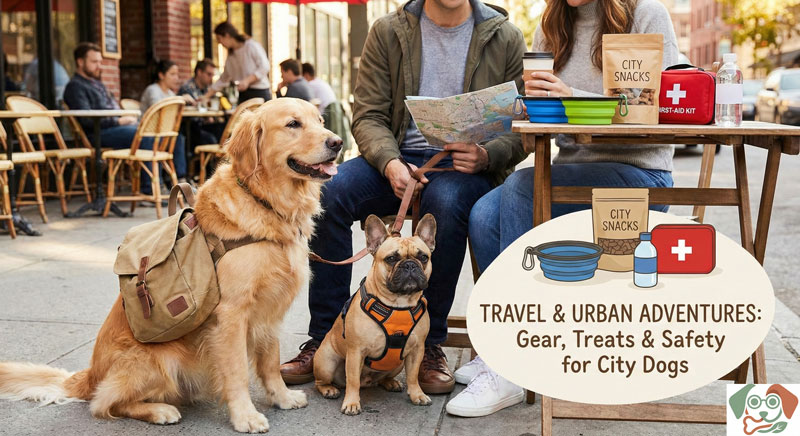
Camping gear guide: Prevent low energy with the right leash and snacks
Meta description: Learn how to keep your dog energized on camping trips with the right leash, harness, snacks, and simple routines.
Quick Summary
- Choose a leash and harness combo that gives you control on trails and in camp.
- Pack easy, energy-boosting snacks and test them before your trip.
- Practice leash skills and crate routines at home and at nearby parks.
- Plan a simple daily routine for energy management during camping.
- Know when to seek veterinary or professional help.
Why This Matters for Your Dog
Camping can be fun, but it also wears dogs out fast. A secure leash and the right snacks help you manage energy, reduce stress, and keep your pup safe. With a calm, well-exercised dog, camp life becomes smoother for you both—whether you’re in an apartment-building neighborhood planning a weekend escape or a suburban cabin adventure.
Key Factors
- Leash and harness: The right setup prevents fatigue and gives you better control on uneven ground, in crowds, and near camp pets.
- Snack planning: Portable, dog-safe snacks keep energy steady between meals and during hikes.
- Routine: A simple daily schedule helps your dog conserve energy for active camping moments.
- Training basics: Reward-based, humane methods build good behavior without shaming.
- Safety first: Hydration, sun protection, and crate training support a relaxed experience.
Step-by-Step What To Do
1) Pick the right leash, harness, and gear
– For most camping trips, choose a sturdy 4–6 foot non-elastic leash. It gives you control without dragging your dog.
– A comfortable harness with a front-clip can help with steering on uneven trails. Consider an extra-soft webbing to prevent chafing.
– If your dog tends to pull, a front-clip harness or a humane head halter can reduce strain while training. Avoid overly long, retractable leashes on busy campsites or trails—they can lead to less control.
– In apartments or condos, practice leash walking in hallways or small parks before your trip. In suburban areas, practice on sidewalks with light traffic and crowds.
2) Build a portable energy-snack kit
– Pack bite-sized treats that travel well: small jerky pieces, freeze-dried liver, or dehydrated cheese bites.
– Add safe fruit or veggie snacks in small pieces (apple slices without seeds, blueberries, carrot sticks).
– Pre-portion snacks into small bags or a single treat pouch to avoid overfeeding.
– Keep a water bottle and collapsible bowl handy at all times.
3) Practice leash skills and crate routines at home
– Start in a quiet room, then move to a yard or local park. Practice “heel,” “sit,” and “wait” with rewards.
– If your dog is crate-trained, bring a crate to the campsite and practice meals and naps inside it to reduce travel stress.
– During practice, reward calm behavior during transitions—coming inside, leaving the door, or stopping at a trailhead.
4) Prepare for the trip (crates, water, gear)
– Bring a travel-friendly water bottle, a collapsible bowl, and a small first-aid kit for dogs.
– Pack a lightweight crate or a portable pen for safe rest at the campsite.
– Check the weather and plan sun protection, especially for dogs with thin fur or light skin.
5) On the trail and at camp: energy management
– Start slow: Let your dog sniff, acclimate, and warm up before longer walks.
– Use shorter, frequent walks with a few rest stops to prevent fatigue.
– Offer snacks after exertion or at moments when energy dips. Use treats as a reward for calm behavior during setup and meals.
– Keep a consistent feeding schedule, even on trips. If your dog eats twice daily, try to keep similar times.
6) Vet considerations and pre-trip checks
– A quick pre-trip check with your veterinarian is a good idea, especially for dogs with health concerns or seniors. This is not a diagnosis here—just a reminder to confirm vaccines, flea/tlea protection, and general wellness before camping.
– Bring any regular medications and a copy of your dog’s medical info in case of emergency.
7) After the trip: reset routines
– Return to your home routine gradually. Reintroduce a normal walking schedule and crate time to discourage lingering excitement or anxiety.
– Observe energy levels over the next few days and adjust leashes and snacks as needed.
Common Mistakes to Avoid
- Choosing a leash purely by price—comfort and fit matter for safety.
- Using a retractable leash on busy campsites or trails.
- Feeding large snacks right before intense activity; small, frequent bites work better.
- Skipping crate training or relaxation exercises at the campground.
When to Call a Vet or Certified Professional
- If your dog shows persistent fatigue, limping, vomiting, or signs of heat stress.
- If you notice changes in appetite, water intake, or bowel habits during or after camping.
- If fear, excessive barking, or aggression appears or worsens in new environments.
Note: This article provides general guidance. It does not replace veterinary advice or professional training. If you have health concerns for your dog, contact your veterinarian.
FAQs
- Q: What leash type is best for a hiking dog?
A: A sturdy 4–6 ft leash with a comfortable harness. A front-clip harness can help with control on difficult terrain. - Q: How do I keep energy up without overfeeding?
A: Use small, portable snacks and keep a consistent feeding schedule. Offer a treat after steady walking or at rest stops. - Q: Is crate training necessary for camping?
A: It can help provide a familiar, safe space at the campsite, reducing stress for some dogs. - Q: Can I give my dog human foods as snacks?
A: Some dog-safe fruits and vegetables are okay in small pieces. Avoid grapes, raisins, chocolate, onions, and xylitol. Always check safety first. - Q: What if my dog pulls on the leash?
A: Consider a front-clip harness and reward-based training to encourage loose leash walking.
This camping gear guide is designed to be practical and beginner-friendly for everyday American dog parents. With a reliable leash setup, well-timed snacks, and simple routines, you can help your dog stay energized, safe, and happy on your next outdoor adventure.