
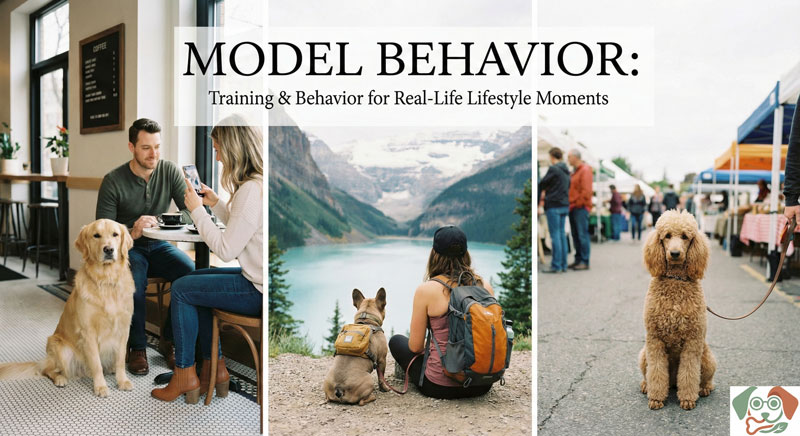
Camera Shy to Camera Ready: Reduce Bad Breath with reward timing and a smart collar
Meta Description: Turn camera shy into camera ready. Learn reward timing and how a smart collar helps curb your dog’s bad breath with practical, humane tips.
Quick Summary
- Bad breath is often dental-related. Daily brushing, Dental Chews, and regular vet checks help.
- Reward timing means giving praise and a treat right after a dog looks at the camera or follows a cue.
- A smart collar can remind you when to practice, track activity, and cue rewards—without stress.
- Build a simple, home-friendly routine for apartment living or a suburban home, plus crate training, dog parks, and vet visits.
- Use humane, reward-based methods. If something feels off, call your vet.
Why This Matters for Your Dog
Healthy breath starts with mouth care, not a magic trick. When a dog learns to associate calm behavior with rewards, photos go smoother and anxiety drops. A smart collar makes timing easier, helping you stay consistent. Together, these tools support everyday routines at home, at the park, and during vet visits. The goal is a happier dog with fresher breath and a confident, camera-ready smile.
Key Factors (Common Causes)
- Plaque and tartar buildup from infrequent brushing.
- Gum disease or tooth decay.
- Dry mouth or dehydration.
- Diet and dental treats—some treats help, others only mask odor.
- Less obvious causes: kidney or metabolic issues (usually with other signs).
- Note: persistent bad breath or changes in appetite, drinking, or urination warrant a vet check. This article isn’t medical advice; a vet can diagnose dental problems and offer treatment options.
Step-by-Step What To Do
1) Start with dental basics
– Pick a dog-safe toothpaste and a soft brush. Start with a tiny amount on your finger to get your dog used to the sensation.
– Aim for a quick daily session. Even 30 seconds is a good start; increase gradually as your dog tolerates it.
– If brushing is hard at first, try dental wipes or a finger brush. Pair these with praise and a small treat after each session.
2) Introduce reward timing for camera work
– Choose a simple cue (for example, “look” or “watch me”). Say the cue, wait for eye contact, then reward with a treat and praise.
– Use the dog’s favorite treat—small, dental-friendly options work best.
– Practice in short bursts: 3 to 5 minutes, 2–3 times a day. Keep sessions fun and pressure-free.
3) Bring in a smart collar to support training
– A smart collar can set gentle reminders for you (via a phone app or the collar itself) to start a practice or reward session.
– Look for features like reminder alerts, activity tracking, and the ability to schedule short training prompts.
– Do not rely on the collar to force behavior. Use it as a helpful nudge for your routine and pair it with humane rewards.
4) Create home routines that fit your living space
– Apartment living: Use a hallway or living room corner for quick camera practice. Keep sessions short, and use a treat-drawer or pocket within easy reach.
– Suburban home: Set up a small “photo corner” by a window. Add a soft mat and a favorite toy to create a calm space before you begin.
– Crate training: If your dog is crate-trained, do a few camera sessions near the crate to keep calm and build positive associations.
– Daily rhythm: Morning brushing, afternoon cue-and-look practice, evening reward session. Tie the smart collar reminders to these times.
5) Reinforce dental health beyond brushing
– Offer dental chews or dental-friendly toys approved by your vet. Use them as part of the daily routine, not as a single solution.
– Provide fresh water at all times and encourage hydration, which helps overall oral health.
6) Practice in real-life settings
– Apartment: Do short sessions after meals when your pup is calmer.
– Suburban park: Use quieter times to practice first, then gradually add a few people or dogs once your dog is comfortable.
– Vet visits: Bring your pup’s routine dental care notes to the appointment and ask about a dental check, scaling, or cleaning if needed.
7) Align with your vet’s guidance
– Schedule routine dental checkups based on your vet’s advice. They may recommend professional cleaning or specific dental diets.
– Share your dog’s training progress and any changes in breath. This helps tailor a plan that fits your dog’s health.
Mistakes to Avoid
- Forcing saliva or punishment: Keep sessions short, positive, and pressure-free.
- Overloading treats during training: Use small, dental-friendly treats to avoid weight gain.
- Relying only on a collar: The collar is a helper, not a replacement for brushing, dental chews, and vet care.
- Waiting too long to seek help: If breath remains consistently bad, visit the vet to rule out illness.
- Expecting instant results: Consistency over several weeks yields better camera-ready behavior and breath.
When to Call a Vet or Certified Professional
- If bad breath is persistent despite brushing and dental chews.
- If you notice red or swollen gums, bleeding, drooling, reduced appetite, or weight changes.
- If the dog seems lethargic or drinks/urinate unusually often.
- A vet can assess dental health and discuss needed treatments or nutrition changes.
- Vet disclaimer: This article is educational and not a substitute for professional medical advice. For concerns about your dog’s health or dental care, please consult your veterinarian.
FAQs
-
Q: Will brushing my dog’s teeth hurt him?
A: Most dogs tolerate gentle brushing with praise and short sessions. Start slowly and make it a calm, positive time. -
Q: Can a smart collar fix bad breath?
A: Not on its own. A smart collar helps you stay on track with reward timing and routines, while brushing, dental chews, and vet care address the breath issue. -
Q: How long does it take to see improvement in breath?
A: With daily brushing and consistent dental care, you may notice improvement in a few weeks, but healthy breath requires ongoing maintenance. -
Q: Are dental treats safe for small dogs?
A: Choose veterinarian-approved dental chews and size-appropriate options. Always supervise chewing and adjust portions to fit your dog’s diet. -
Q: What if my dog is camera-shy by nature?
A: Start with small, easy cues and short sessions. Use the collar’s reminders to prompt you, not to pressure the dog. Celebrate tiny wins and build up gradually.
Final Thoughts
Camera shyness doesn’t have to be permanent. Pair reward timing with a humane, positive training approach, and use a smart collar to support consistency. Combine daily tooth brushing, dental-friendly treats, and regular vet checks to improve your dog’s breath and confidence in front of the camera. With patience and routine, you can capture those warm, natural moments—without stress for you or your pup.