
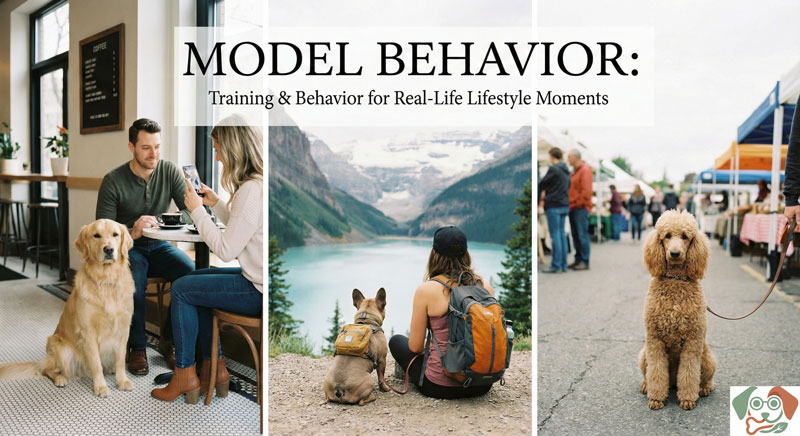
Camera Shy to Camera Ready: Reduce reactivity with reward timing and a travel carrier
Meta description: Practical, reward-based steps to help camera-shy dogs become camera-ready using reward timing and a travel carrier.
Quick Summary
- You can help a dog who reacts to cameras or people behind a camera.
- Use humane, reward-based training and a travel carrier as a safe space.
- Build calm behavior through short, daily sessions at home, in your apartment or a suburban yard.
- Plan gradual exposure: simple cues, thoughtful rewards, and slower progression.
- Know when to seek help from a professional.
Why This Matters for Your Dog
A dog that stays calm around cameras is happier and less stressed. It makes photo sessions, social media moments, vet visits, and daily life easier. Reward timing helps your dog learn what you want, not just what you don’t want to do. A travel carrier gives a predictable safe space your dog can retreat to when things get lively. With gentle practice, your dog can grow more confident in your routine and around everyday triggers.
Common Factors (Key Factors)
- Triggers: doorbells, pedestrians, kids riding bikes, photographers, flashes.
- Arousal: leash tension, stiff body, tense tail, fast movements.
- Habits: rushing a session, rewarding only after a strong reaction.
- Environment: small apartments vs. open yards; noise levels; lighting.
- Crate step: a safe carrier helps reduce overwhelm when new stimuli appear.
Step-by-Step What To Do
1) Set up a calm baseline at home
– Choose a quiet room with good lighting. Keep sessions short (3–5 minutes at first).
– Have tasty, easy-to-pick treats ready. Use a clicker if you have one, but a verbal “Yes!” works too.
– Practice a simple “watch me” cue. Reward your dog for looking at you without bouncing or barking.
2) Introduce the travel carrier as a safe space
– Pick a sturdy carrier that’s large enough for your dog to stand, turn, and lie down.
– Place the carrier in a familiar spot (living room corner or near the couch). Add a comfy bed and a high-value treat or favorite toy inside.
– Start by tossing treats near the entrance, then just inside the door. Gradually encourage your dog to step inside for short periods.
3) Begin camera-friendly exposure with reward timing
– Use a real camera or phone on a stand at a distance first. Have a helper stay calm and quiet.
– Encourage your dog to notice the camera but not react. Reward quiet glances toward you or calm behavior before any camera movement.
– When the camera comes into frame, reward at moments you see calm behavior (looking at you, staying seated, or moving toward the carrier). Deliver rewards quickly and consistently.
4) Build reward timing that reinforces calm, not reaction
– The goal is to reward the dog for the behavior you want (calm, looking at you, relaxed posture) rather than for simply being near the camera.
– If the dog looks toward the camera and then zones out, mark the moment of calm and give a treat. If there’s a small reaction, pause, take a breath, and try again with a shorter exposure.
5) Practice in real-life settings
– Apartment setup: switch between the living room and hallway to simulate common photo moments. Use a quiet hallway for walk-by photo attempts.
– Suburban setting: practice near the yard fence or open porch. Schedule shots after a short walk when your dog is already settled.
– Vet visits and car rides: use the carrier for transport. Practice gentle handling near the carrier with praise and treats.
6) Combine crate training with daily routines
– Use the travel carrier for crate training at rest times (naps, after meals).
– Feed meals or treats near the carrier to pair it with positive experiences.
– In busy times (neighbors walking by, mail delivery), have a quick, calm training moment in or near the carrier.
7) Keep sessions positive and gradual
– End each session on a calm note with a favorite toy or long, gentle praise.
– Increase exposure slowly: more distance, shorter pauses, or slightly louder triggers as your dog stays relaxed.
8) Practical daily routine ideas
– Apartment: morning walk, snack near the carrier, a short camera practice after breakfast, evening play in a quiet room.
– Suburban: after yard play, a short training “watch me” sequence, then a photo moment in the living room with the camera on a stand.
Mistakes to Avoid
- Forcing the dog to “face the camera” when already stressed.
- Punishing sniffing, lip-licking, or moving away during exposure.
- Waiting too long to step back if your dog shows fear—gradual exposure is safer.
- Rushing sessions or skipping days—consistency beats intensity.
- Ignoring body language signals (frozen posture, tucked tail, wide eyes).
When to Call a Vet or Certified Professional
- If your dog shows extreme fear, aggression, or panic that doesn’t improve with gentle practice.
- If there are sudden changes in appetite, sleep, or daily behavior.
- For a tailored plan, a veterinary behaviorist or certified trainer can help assess reactivity and adapt rewards and exposure safely. If needed, discuss safe use of any aids or additional support with your veterinarian.
Safety note: This article offers practical, humane guidance. It does not diagnose conditions or prescribe medications. For health concerns, always consult your veterinarian. For training, seek a qualified professional if you need extra help.
FAQs
- Can I use a smartphone camera? Yes. Start with still photos and slow movements. Gradually add video if the dog stays calm.
- Will a travel carrier really help? Many dogs use a carrier as a secure space and show less reactivity when they have that refuge.
- How long will this take? Progress varies. Many dogs show improvement in 3–8 weeks with consistent daily practice.
- What about apartments with thin walls? Work in a quiet corner of your apartment and schedule sessions when there’s less external noise.
- Should I use treats every time? Yes, consistency helps. Use high-value treats for more challenging steps, and keep sessions short to maintain motivation.
- Do I need a trainer? If you’re new to training or if your dog’s reactions are strong, a certified positive-reinforcement trainer can guide you with personalized plans.
With steady, kind steps and a cozy travel carrier, your dog can move from camera shy to camera ready—calm, confident, and happy in everyday moments.