
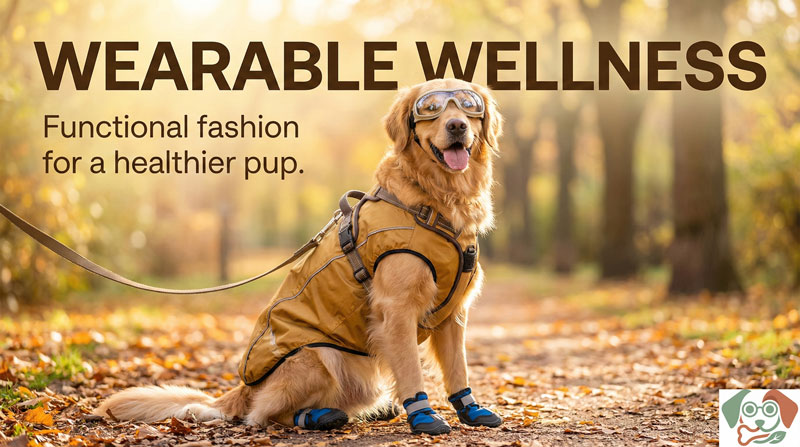
Booties 101: Prevent reactivity on pavement and keep the outfit on point
Meta description: Booties 101: humane steps to protect paws, curb pavement reactivity, and keep your dog’s outfit on point.
Quick Summary
- Booties protect paws from hot, cold, rough pavement, salt, and chemicals.
- They can help reduce pavement-triggered reactivity by shielding sensitive pads.
- Start with careful measuring, gentle break-ins, and reward-based training.
- Practice in an apartment hallway before outdoor walks; then extend to suburban sidewalks.
- Pair booties with routines: crate time, regular nail care, and consistent walking schedules.
- Choose style and fit that suit your dog’s comfort and your lifestyle.
Why This Matters for Your Dog
Pavement can be hard on paws. Hot summer sidewalks, icy winter concrete, or salted streets can irritate pads. Even dogs who seem calm at home may react to harsh surfaces, fast passes from bikes, or loud noises on concrete. Booties add a protective layer without replacing good training. They also help keep a coordinated look if you enjoy matching outfits or seasonal gear. For many dogs, paw protection reduces stress during daily walks and trips to busy places like the vet or park. This supports a calmer routine and a safer, more enjoyable outdoor life for you both.
Key Factors (Common Causes of Pavement Reactivity)
- Surface heat, cold, and rough texture can sting pads and cause hesitation or tension.
- Salt, ice melt, and chemical de-icers can irritate skin or cause sensitivities.
- Minor pad injuries or cracked pads may trigger grumpy reactions on contact.
- Anxiety or overstimulation near busy streets can show as reluctance to move.
- Dry skin, allergies, or nails that are too long can magnify discomfort on hard ground.
- A poor fit or bulky bootage can create new stresses, making the dog dislike wearing booties.
Step-by-Step What To Do
1) Decide if booties are right now
– If your dog pulls, freezes, or shows stress on hot or cold days, booties can help.
– If you’re in an apartment with long hallways or a small outdoor space, practice indoors first.
2) Measure paws accurately
– Have your dog stand naturally. Measure widest part of the paw and the length from paw pad to tip of the longest toe.
– Check the bootie size chart before buying. Leave a finger’s width of room for movement, but not so loose they slip off.
3) Choose the right boot type
– Look for non-slip soles, soft inside, and secure closures (Velcro straps or buckles).
– Consider height that covers the paw pad and a little above the ankle for stability.
– Pick a color or design you like—fashion can be fun, but fit matters more.
4) Break in gradually at home
– Put the boots on for 5–10 minutes, then take them off and reward with treats.
– Do two or three short sessions a day. Build up to 20–30 minutes as you see no rubbing.
5) Practice first in familiar, low-stress spaces
– Start in a quiet apartment hallway or living room.
– Reward calm behavior, gentle walking, and following cues while wearing booties.
6) Move to the outdoors in small steps
– Try a short, quiet street walk on a leash. Watch for signs of discomfort: limping, licking, or rubbing.
– Increase time slowly over days or weeks. Always reward progress.
7) Create a daily routine that fits your home
– Apartment dwellers can pair bootie wear with crate time or supervised indoor activities to reduce anxiety.
– Suburban homes can combine booties with short driveway strolls, then longer sidewalks or parks as comfort grows.
8) Care and maintenance
– Clean boots after use; dry fully to prevent odor or mildew.
– Check seams and closures for wear after each outing.
– Keep nails trimmed so the boots fit cleanly and stay in place.
9) Dress up and match outfits
– Use booties that come in neutral tones or colors that match your pup’s gear.
– Pair with a light harness, a coordinating collar, and a stylish yet practical jacket if needed.
– Always prioritize comfort; if your dog balks, shorten wear time and adjust fit.
Mistakes to Avoid
- Choosing too-small or too-bulky boots. Fit is everything.
- Skipping the break-in period. Rushing can create resistance to booties.
- Leaving booties on for too long without checking for rubbing or chafing.
- Ignoring signs of overheating or numbness in paws.
- Using worn or damaged booties that don’t grip well or slip off.
- Expecting a single solution for all surfaces or dogs; tailor steps to your dog.
When to Call a Vet or Certified Professional
- You notice persistent limping, swelling, or bleeding from a paw.
- Redness, sores, or signs of an allergic reaction appear after wearing booties.
- Your dog shows severe anxiety that doesn’t improve with gradual acclimation.
- You suspect dermatitis, fungal issues, or other skin problems on the paws.
- If you’re unsure about the paw health, trim nails gently, but seek veterinary guidance before major changes.
Note: This post provides general guidance. If you have health concerns, consult a veterinarian or certified trainer for personalized advice. Training should be humane and reward-based; seek professional help if your dog shows high fear or aggression triggers.
FAQs
-
Do booties really reduce pavement reactivity?
They can help by shielding sensitive pads and reducing direct discomfort. Pair booties with calm, gradual exposure and positive reinforcement. -
How do I pick the right size?
Measure accurately, follow the brand’s size chart, and choose boots that allow a little movement without being slack. If in doubt, size up slightly and use extra secure closures. -
Can I use booties year-round?
Yes, when appropriate. In hot weather, ensure the surface isn’t exceeding a safe temperature. In cold weather, booties provide warmth and grip. -
Will my dog chew the booties?
Some dogs chew out of boredom or anxiety. Supervise early wearing, distract with treats, and consider a bite-resistant material if needed. -
How long should I keep booties on during a first outdoor walk?
Start with 5–10 minutes, then gradually increase. End sessions if your dog shows stress or rubbing. Always reward the calm behavior. -
How do I clean and store booties?
Wipe clean after use, air-dry completely, and store in a dry place. Check for wear before each use. -
Are booties disguising a paw problem?
Booties protect but do not fix underlying issues. If you notice ongoing discomfort, consult your vet promptly.
Final Thought
Booties aren’t magic; they’re a practical tool. When paired with humane, reward-based training and a steady routine, they can reduce pavement-related stress and help your dog look and feel confident on walks. With mindful fitting, patient break-ins, and daily care, apartment life or suburban adventures can stay calm, safer, and more stylish for you and your four-legged friend.