
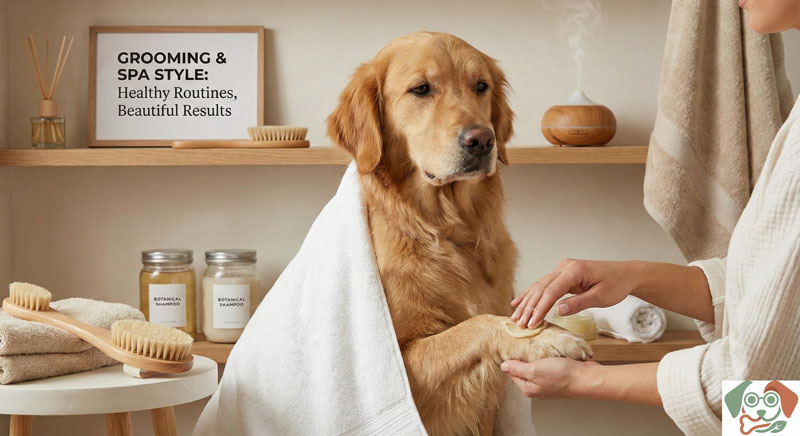
Grooming after the Beach: Prevent Seasonal Allergies and Keep Coats Soft
Meta description: After the beach, groom your dog to prevent seasonal allergies and keep coats soft with simple, home-friendly steps.
Quick Summary
- Beach days bring sand, salt, and sun that can irritate skin and coat.
- A simple post-beach routine helps prevent seasonal allergies and keeps fur silky.
- The plan fits both apartments and suburban homes with easy, everyday steps.
Why This Matters for Your Dog
A day at the shore can leave your dog coated in sand and salt. Salt can dry skin, while sand grains can irritate and scratch. Sun exposure can fade color and dry out coats. Rubbing and licking after a sandy outing can worsen irritation. A quick, gentle grooming routine after the beach helps your dog stay comfortable, reduce itchiness, and keep fur soft and glossy. Keeping up with this routine also lowers the chance of hotspots and skin infections, which are common when skin stays damp or irritated.
Key Factors
- Sand and salt irritate skin and coat.
- Sun exposure dries skin and can dull fur.
- Damp coats trap moisture and promote matting.
- Paws and paw pads can crack from salt and hot pavement.
- Seasonal allergens from the outdoors can flare up itching in some dogs.
- A routine that fits your home (apartment vs. suburban) makes care consistent.
Step-by-Step What To Do
1) Rinse off: Use lukewarm water to rinse the entire body, focusing on legs, belly, chest, and underarms where salt and sand cling. This helps remove irritants before they dry in.
2) Gentle drying and brushing: Towel dry first, then brush with a soft-bristled brush or wide-tooth comb. Start at the head and work down, relaxing the coat so you don’t pull.
3) Check ears and eyes: Wipe the outer ear and the corners of the eyes with a damp cloth. Keep ears dry to prevent infections; don’t insert anything deep into the ear canal.
4) If needed, bathe with a mild dog shampoo: Use a gentle, dog-safe shampoo only as needed (not every day). Rinse completely to avoid residue that can irritate skin.
5) Dry thoroughly: Use a towel and, if your dog tolerates it, a low-heat hair dryer held at a safe distance. A completely dry coat helps prevent dampness that invites irritation.
6) Paw care: Inspect paw pads and between toes for salt crystals or sand. Rinse and dry between the toes. Apply a dog-safe paw balm if the pads look dry or cracked.
7) Skin and coat check: Look for redness, irritation, hot spots, or new lumps. If you notice anything unusual, note it for your next vet visit.
8) Home care after the beach: Wash or wipe down collars and leashes, shake out towels, and vacuum the car and home. Wash dog bedding if sand gets tracked in. A quick wipe-down of surfaces helps reduce indoor grit.
9) Routine rhythm: For many dogs, a post-beach grooming session becomes a small, predictable routine. In apartments, this may be quicker; in suburban homes, you might add a longer brush-out or a light trim.
10) Optional calm-down time: If your dog is tired after the beach, a short crate rest with a chew toy or a quiet cozy corner helps them unwind and prevents overeager licking.
Mistakes to Avoid
- Using human shampoo or hot water, which can dry or irritate skin.
- Scrubbing harshly or pulling on mats; gentle touch works best.
- Skipping drying, which invites dampness, odor, and skin trouble.
- Forgetting to clean ears, which can lead to infections.
- Not cleaning paws, allowing salt or sand to linger between toes.
- Ignoring signs of irritation or hotspots—address early.
When to Call a Vet or Certified Professional
- Persistent itching, redness, swelling, or hair loss beyond a day or two.
- Open sores, oozing, or hot, painful areas.
- Recurrent hotspots or ear infections.
- New bumps or lumps that grow or change.
- If your dog has known allergies and itching seems severe or lingering.
Note: This guide provides general tips. It does not replace veterinary advice. If you see concerning skin reactions, please contact your veterinarian or a certified professional for guidance.
FAQs
- How often should I bathe after the beach? Generally, every few weeks is fine unless your dog gets unusually dirty, itchy, or sweaty. Use dog shampoo and rinse thoroughly. Over-bathing can dry skin.
- Can I use baby shampoo? It’s best to use dog-specific shampoo. Human products can upset a dog’s skin pH and cause irritation.
- What about fleas and ticks after the beach? A quick post-beach check and routine grooming can help, but use veterinarian-approved preventives as recommended for your area and dog.
- How can I outfit my apartment routine? Keep baths short, have a compact grooming kit, and brush indoors or on a balcony if weather allows. A smaller space may mean a quicker wipe-down and more frequent brushing.
- Is crate training relevant here? A calm, comfortable post-beach routine can include a brief crate rest to help your dog unwind, especially after a beach outing. It’s part of a gentle daily routine that supports good behavior and safety.
A regular, gentle post-beach grooming routine is a simple way to prevent seasonal allergies from flaring up and to keep your dog’s coat soft and comfortable. With small, practical steps—rinsing, brushing, drying, and a quick paw check—you can turn beach days into healthy, happy memories. If you ever have concerns about your dog’s skin, coat, or allergies, your veterinarian can tailor care to your pet’s needs and lifestyle.