
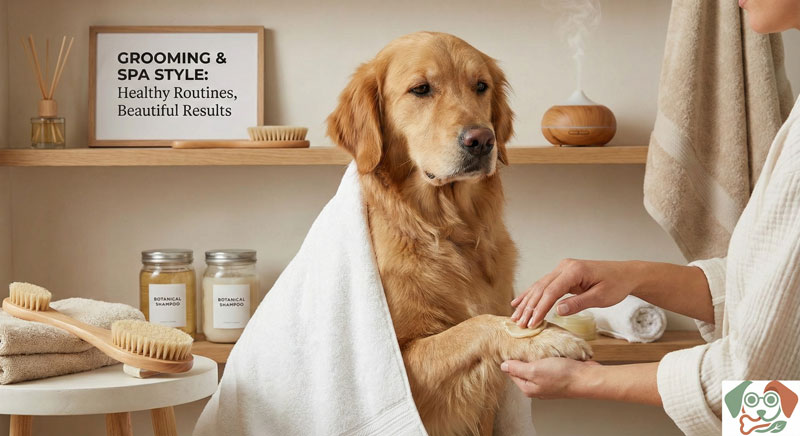
At-home blowout: Lick mat routine to prevent tartar buildup and keep coats camera-ready
Meta description: A beginner-friendly lick mat routine with a gentle blowout helps support dental care and a shiny coat for busy U.S. homes.
Quick Summary
- A calm lick mat session paired with a light coat blowout can support dental health and a glossy look.
- Keep sessions short, positive, and supervised. Use dog-safe toppings and a pet-friendly dryer on low heat.
- Adapt the routine to apartment life or a suburban home, and pair it with regular brushing and vet visits.
- This method isn’t a substitute for brushing or professional dental care but complements good dental hygiene.
Why This Matters for Your Dog
Tartar buildup can lead to gum inflammation and other issues. A lick mat encourages slow licking, which increases saliva and can help rinse the mouth a bit while also reducing stress. A quick, gentle blowout helps remove loose fur and promotes a smooth, camera-ready coat. For many dogs, this routine also creates a calm, predictable moment you can look forward to each day. Remember: dental health comes from multiple habits—brushing, dental chews, regular vet checks, and a balanced diet.
Common Causes
- Irregular brushing and dental care; tartar forms when plaque isn’t cleaned.
- Infrequent grooming leaving loose hair and mats that dull the coat.
- Inadequate saliva flow due to fast eating or not providing mental stimulation.
- Stress or overstimulation during grooming, which makes future sessions harder.
- Diet too rich in sugar or not offering dental-supportive foods.
Step-by-Step What To Do
1) Pick the right lick mat and safe toppings
– Choose a durable, dishwasher-safe silicone lick mat. Avoid mats with sharp edges.
– Use dog-safe toppings: plain peanut butter (check for xylitol-free brands), plain yogurt, or mashed pumpkin. Always confirm no xylitol or added sugars.
– Start with a thin layer so your dog can easily reach the center and feel successful.
2) Prep your space and tools
– Set up in a quiet area: kitchen floor, living room, or crate corner. Place a towel or mat under the lick mat to catch drips.
– Have a brush, a low-heat pet dryer, and a small towel ready. In an apartment, pick a spot near a window or a bathroom for ventilation.
3) Introduce the lick mat slowly
– Show the mat to your dog with a small lick of topping. Let them sniff and approach.
– If your dog is unsure, start with a shorter session (3–5 minutes) and gradually add time as they stay relaxed.
4) Combine with a gentle blowout routine
– After the licking session or during a calm lick, turn on a pet-safe dryer on the lowest heat setting. Keep the dryer at a safe distance (at least 6–8 inches away from the skin) and move it slowly.
– Brush in long, gentle strokes before switching to the remaining coat to lift dead fur. Avoid focused heat on any one area.
5) Create an apartment-friendly or suburban-friendly schedule
– Apartment: 2–3 sessions per week, 8–12 minutes each, with the blowout kept brief and low-heat.
– Suburban home: you can add longer sessions on non-crate days or after a walk. Use the crate to create a safe, cozy “grooming zone” and reward with praise and a favorite treat.
– End with a quick cuddle and a pat on the head, then allow a normal cool-down period.
6) Clean up and track progress
– Wash the lick mat after every use. Inspect the mouth gently when you’re brushing later in the day.
– Note what toppers work, what lengths your dog enjoys, and any signs of discomfort. Keep records to share with your vet during visits.
7) Tie it to a broader routine
– Pair lick mat sessions with daily brushing, dental chews, and regular vet checkups.
– Schedule a monthly “grooming day” that sticks to these steps so your dog understands what’s coming and stays calm.
Mistakes to Avoid
- Using toppings with sugar or xylitol; both can be harmful. Always verify ingredients.
- Rushing the session or forcing your dog to lick when they’re not interested.
- Leaving the lick mat unattended with a dog’s mouth on it for long periods; supervise to Prevent choking.
- Using a high-heat dryer or holding it too close; this can burn the skin.
- Skipping aftercare: don’t skip brushing or dental checks just because the coat looks nice.
- Neglecting to wash the mat regularly; this can harbor bacteria and odors.
When to Call a Vet or Certified Professional
- If you notice persistent Bad Breath, red or swollen gums, difficulty chewing, or drooling that’s excessive.
- If a dog shows signs of mouth pain or if there is a sudden change in appetite.
- If you suspect skin irritation from the lick mat or a reaction to a topping.
- For guidance on a custom dental plan, especially if tartar buildup is heavy or if you’re unsure about brushing technique.
- This post is not a substitute for veterinary care. If in doubt, call your vet.
FAQs
- Are lick mats safe for all dogs?
Most dogs tolerate lick mats well when used properly. Start slow and supervise. If a dog shows anxiety or stress, shorten sessions and try again later. - How long should a lick mat session last?
Start with 3–5 minutes and gradually extend to 10–15 minutes as your dog relaxes. - Will lick mats remove tartar?
Lick mats can help with saliva distribution and brushing satisfaction, but they are not a substitute for regular brushing and dental checks. - Can puppies use lick mats?
Yes, with supervision and shorter sessions. Ensure toppings are puppy-safe and avoid choking hazards. - How do I clean a lick mat after use?
Rinse with warm soapy water, scrub if needed, and let it dry completely before the next use. - What if my dog hates the blow dryer?
Take it slow. Let the dog sniff the dryer first, then turn it on at a distance. Reward calm behavior and gradually reduce the distance as they become comfortable.
With patience and consistency, your dog can enjoy a calm at-home blowout and a friendly lick mat routine that supports dental health and a camera-ready coat. Always pair this with regular brushing, dental chews, and routine vet visits for the best long-term results.