
Meta description: Learn an at-home lick mat routine to curb car sickness and keep your dog’s coat camera-ready with gentle, reward-based steps.
Quick Summary
- A lick mat is a simple, humane tool to slow eating, soothe nerves, and make car rides calmer.
- Use safe, dog-friendly fillings and short, positive sessions tied to daily routines (apartment or suburban homes).
- Pair the mat with crate training, regular brushing, and brief car-practice runs for best results.
- If car sickness or coat issues persist, talk with a veterinarian or certified trainer.
Why This Matters for Your Dog
A lick mat provides mental engagement and a gentle outlet for stress. For many dogs, licking slowly on a soft spread can reduce nausea during car trips and reduce anxiety before leaving the house. The routine also helps keep coats looking camera-ready by promoting a calm, focused state and giving you a chance to brush or inspect fur during the session. This approach fits everyday life in an American home, whether you live in an apartment with limited space or in a suburban house with a yard. It can support crate training, daily routines, vet visits, trips to the park, and general safety habits.
Key Factors
- Car sickness triggers: anxiety, motion, too-full stomach, and rapid transitions. A calm, predictable pre-trip routine helps.
- Coat Health: dry indoor air, friction from brushing, and uneven grooming can dull coats. A short lick-mat session pairs licking with a quick brush.
- Food safety: choose dog-safe flavors and avoid any human foods toxic to dogs (like xylitol, chocolate, grapes).
- Age and health: puppies, seniors, or dogs with GI issues may need shorter sessions or different fillings.
- Training style: keep sessions humane, reward-based, and never forced. End on a positive note.
- Environment: apartment routines may require more compact spaces; suburban homes offer more room for a dedicated mat area or crate practice.
Step-by-Step What To Do
1) Select a lick mat and safe fillings
– Choose a silicone lick mat with shallow wells and ridges.
– Pick dog-safe spreads: plain unsweetened yogurt (if tolerated), mashed banana, canned pumpkin (plain, not pie filling), pumpkin puree, or a small spoon of natural peanut butter without xylitol. Check ingredient lists.
– Avoid dairy for dogs that are lactose sensitive or prone to GI upset. Skip any spread that your dog dislikes or that triggers GI trouble.
2) Prep a calm, convenient setup
– In an apartment: place the mat on a low table or the kitchen floor near a non-slip mat; keep towels handy.
– In a suburban home: a crate corner or a dedicated mat mat can be used; you can also use a playpen to reduce distractions during the session.
– Have a brush, wipes, and treats nearby for a quick coat check after.
3) Start with a short, positive session
– Put a small amount of spread on a few wells. You don’t need to fill the mat at first—just get your dog used to licking.
– Sit with your dog. Use a calm voice and a gentle tone. Offer a treat at the end to reinforce calm behavior.
4) Tie it to a routine
– Morning routine: after waking, before leaving for work, offer a 6–10 minute lick-mat session. This helps with stress before the day starts.
– Car prep: if you’re doing a trip, offer a 5–8 minute mat session about 15–30 minutes before getting in the car. Then move to the car calmly.
– Crate time: place the mat in the crate for a calm chew and lick. It can ease separation anxiety during crate training.
5) Use it to support car rides
– Do not feed a large meal right before long trips. Aim for a light snack and a lick mat session earlier in the day.
– For short trips, a quick 5–8 minute lick-mat session can help reduce rapid appetite-driven movement and nausea.
– During the ride, consider keeping the vehicle quiet and comfortable. A dog-safe seatbelt or crate helps safety.
6) Build grooming into the session
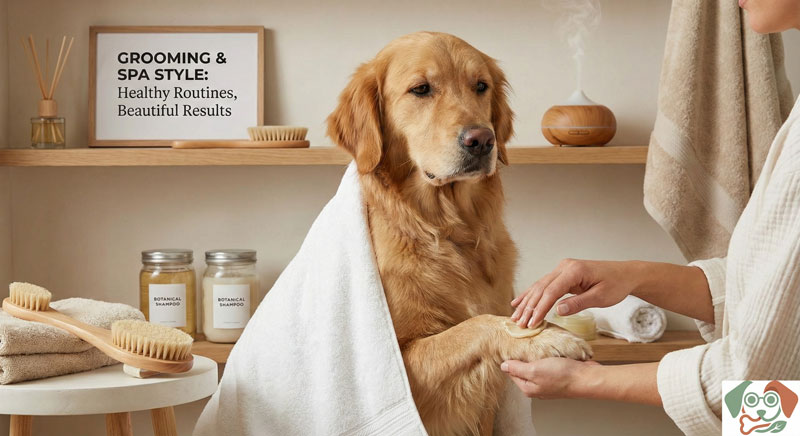
– While your dog licks, use a soft brush nearby for a quick grooming check.
– After the lick mat, give praise and a small brushing session to help coat shine. This builds a calm association with grooming and riding.
7) Transition to Camera-ready coat care
– Finish with a brief brush and a gentle wipe-down if your dog tolerates it.
– Reward with praise and a favorite treat to reinforce the tidy, camera-ready look.
8) Clean up and reset
– Wash the mat with warm soapy water, rinse, and dry.
– Wipe hands and any surfaces the dog touched. Store away until next use.
Mistakes to Avoid
- Forcing a dog to lick or using harsh methods. Always use a calm voice and allow breaks.
- Using unsafe ingredients. Never feed xylitol-containing foods or sugar-laden spreads.
- Using the mat as punishment or as a bribe for Bad behavior. Pair with positive reinforcement and calm greetings.
- Filling the mat too full or too liquidy. It’s easier to lick if the spread is well balanced and not messy.
- Over-reliance on the mat. It’s a tool, not a cure-all. Combine with other routines like crate training, potty breaks, and exercise.
When to Call a Vet or Certified Professional
- If car sickness symptoms persist despite the mat routine (vomiting that continues, drooling, lethargy, or loss of appetite), talk to your veterinarian.
- If you notice persistent GI distress or signs of pancreatitis, seek veterinary care.
- If your dog has a known medical condition (diabetes, food allergies, digestive issues), discuss any new lick-mat routines with your vet.
- This approach is a supportive enrichment activity, not a substitute for medical treatment. A veterinarian or certified trainer can tailor a plan to your dog’s needs.
FAQs
- Can I use human peanut butter? Choose brands without xylitol and minimal salt. Check the label.
- Are dairy products safe for dogs? Some dogs tolerate yogurt or yogurt-based spreads, while others don’t. Start with small amounts and watch for GI upset.
- How long should the lick-mat session last? Start with 5–8 minutes, then adjust based on your dog’s tolerance and interest.
- Can I use the mat for puppies? Yes, if the puppy tolerates it and you supervise closely. Keep portions small and sessions short.
- Will lick mats replace brushing? No. Use them together for coat care and enrichment.
- What if my dog is anxious around car rides? Pair the mat with short, gradual car exposure. Add a comfort item and a familiar scent to the crate or seat area.
- How do I clean the mat? Rinse, wash with mild soap, and air dry. Avoid harsh chemicals that could leave a strong scent.
Closing thoughts
A thoughtful lick-mat routine can be a friendly, practical addition to daily care for many dogs. It supports calmer car rides and a tidier, camera-ready coat by combining enrichment, gentle grooming, and predictable routines. Start small, stay consistent, and celebrate the small wins with praise and tasty rewards. If you ever feel unsure, your veterinarian or a certified trainer can help you tailor the approach to your dog’s unique needs. With patience and kindness, this at-home routine can become a cherished part of daily life for you and your furry friend.