
At-home blowout: Lick mat routine to prevent weight gain and keep coats camera-ready
Meta Description: A friendly at-home lick mat routine to curb weight gain and keep coats camera-ready for dogs.
Quick Summary
- A daily lick mat routine helps slow eating, curb weight gain, and support a glossy coat.
- Place mats in kitchen, crate, or designated play area—adaptable for apartments or suburban homes.
- Use humane, reward-based training with safe fillings; finish with brushing to keep that camera-ready coat.
- Pair the routine with regular walks, crate training, and vet checks for a well-rounded day.
- Watch for signs that you need to involve a vet or certified professional.
Why This Matters for Your Dog
Many dogs chow down too quickly and snack on high-calorie treats all day. A lick mat makes meals last longer, which can help with weight management. The routine also keeps minds busy and reduces boredom, a common trigger for unwanted chewing or overeating. When you finish with a quick brush, you support a smooth, shiny coat that looks great in photos or on video calls.
Common Causes (Key Factors)
- Easy access to high-calorie treats and big portions.
- Fast eaters who gulp air and feel hungry soon after.
- Boredom or separation anxiety during the day.
- Limited exercise in small spaces or busy schedules.
- Seasonal shedding and coat maintenance needs.
- Inconsistent routines between apartment life and suburban days.
Step-by-Step What To Do
1) Pick a simple daily window: morning or evening, about 15–30 minutes total when you’re home.
2) Choose a lick mat: silicone, easy to clean, dishwasher-safe, and sized for your dog.
3) Pick safe fillings. Good options: a thin layer of dog-safe peanut butter (xylitol-free), plain yogurt (if your dog tolerates dairy), canned pumpkin or mashed banana, and small amounts of soft kibble or wet dog food. Always avoid chocolate, grapes, onions, garlic, and any human foods your vet has flagged as risky.
4) Prepare the mat. Spoon a thin layer of filling, then sprinkle a few kibble bits or tiny treats for texture and interest.
5) Set up a safe spot. In an apartment, you might place the mat on a towel in a quiet corner of the kitchen. In a suburban home, a crate or a low-ploor mat near the living room works well. The goal is a calm, supervised space.
6) Introduce with positive cues. Show the mat, use a happy voice, and offer a treat to start. If your dog is new to licking toys, let them sniff first and reward calm behavior.
7) Make it a routine. Use the mat after meals or as a mid-day calm activity. If you’re using a crate, slide the mat inside to reinforce crate time.
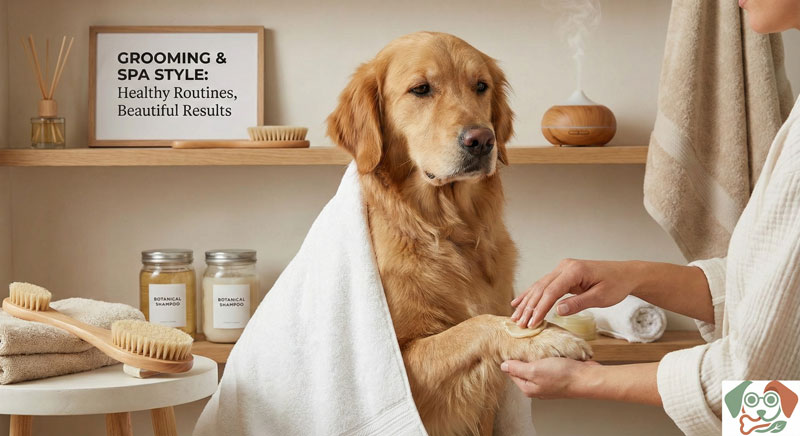
8) Add grooming time after licking. Gently brush your dog while they finish the session. The brushing should be calm and rewarding, ending with praise.
9) Finish with a quick safety check. Make sure the fill is not choking hazard and there are no small pieces your dog could swallow.
10) Clean and store. Rinse the mat after use and let it air dry. Keep it in a dedicated spot to make it part of daily life.
11) Track and adjust. If your dog loses interest, switch fillings, or mix in a new texture. If weight is an issue, talk to your vet about portions and a plan.
Safety note: This guidance is for everyday care and training. It is not a medical diagnosis or medication advice. If your dog has health concerns, allergies, or obesity, consult a veterinarian for a personalized plan.
Mistakes to Avoid
- Using foods with hidden sugars or high fat without vet guidance.
- Filling the mat too thickly; dogs can chew and swallow large chunks.
- Letting your dog gorge or be unsupervised while the mat is in use.
- Ignoring changes in weight, appetite, or coat condition.
- Forcing the routine if your dog is stressed—keep sessions short and positive.
- Skipping cleanup or using damaged mats that harbor bacteria.
- Relying solely on the mat for training; pair with regular exercise and mental challenges.
When to Call a Vet or Certified Professional
- Your dog shows sudden weight gain or loss or has a hard time maintaining a healthy weight despite adjustments.
- There are persistent skin, coat, or allergy signs, or if digestion is unusual.
- Your dog has a chronic illness (like diabetes) or is on a special diet—seek professional guidance before changing foods.
- You notice choking, coughing, vomiting, or gagging during mat sessions.
- You want a formal weight-management or grooming plan tailored to your dog’s breed, age, and activity level.
Vet disclaimer: This article provides general care ideas. For weight management, health concerns, or dietary changes, consult your veterinarian or a certified veterinary nutritionist.
FAQs
- Is peanut butter safe for dogs? Yes, if it is xylitol-free and given in small amounts. Always check the label.
- Can I use yogurt in the mat? Plain, unsweetened yogurt can work if your dog tolerates dairy. Start with a tiny amount to test digestion.
- What if my dog is allergic to dairy or peanuts? Try pumpkin puree or mashed banana, and consult with your vet for safe alternatives.
- How do I know if my dog is overweight? If you can’t feel your dog’s ribs easily or you see a broad waistline with a soft fat pad around the abdomen, talk to your vet about a plan.
- Will the lick mat help with coat shedding? Indirectly yes. A calmer dog may groom itself less frantically, and brushing after a mat session helps keep the coat slick and shiny.
- How should I clean the mat? Rinse with warm, soapy water after use and air-dry. Most silicone mats are dishwasher-safe—check the product label.
By incorporating a gentle lick mat routine into your daily life, you can help manage your dog’s weight, provide mental stimulation, and support a coat that’s ready for camera moments—whether you’re in a cozy apartment or a roomy suburban home. Pair this with regular walks, crate training, and routine vet visits, and you’ll have a simple, humane plan that fits a busy American lifestyle.