
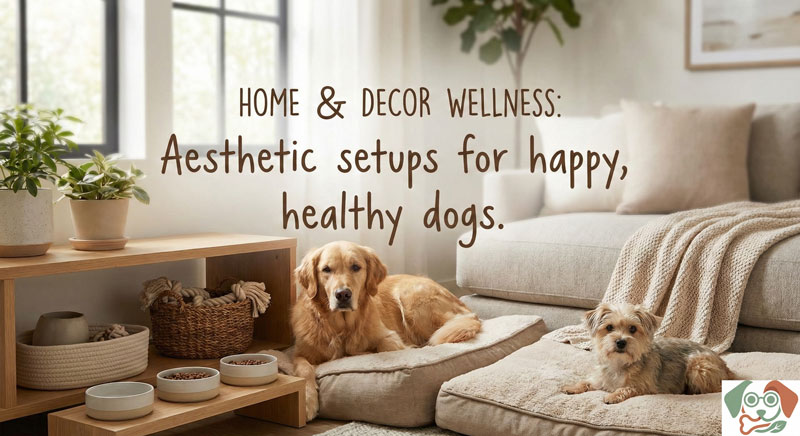
Meta Description: A practical guide to a slow-feeder feeding station that reduces reactivity and supports healthy weight for your dog.
Quick Summary
- Create a calm, attractive feeding station with a slow feeder.
- It helps slow eating, support healthy weight, and ease meal-time reactivity.
- Use reward-based training and simple routines you can do at home, apartment or suburb.
- Include crate-friendly setup, easy cleaning, and regular vet checks as needed.
Why This Matters for Your Dog
For many dogs, meals can trigger bursts of energy or stress. A slow feeder turns a quick gulp into a calm activity. That small shift can help with digestion, reduce bloat risk, and support steady weight. A neat feeding station lowers clutter, which makes the whole routine easier to fit into your day. You’ll also teach calm behavior around meals, which can lessen attention-seeking or reactive moments at home, at the park, or in the lobby of an apartment building. Most important: this is a humane, reward-based approach that respects your dog’s pace and needs.
Common Causes (Key Factors)
- Speed eating: gulping food can upset digestion and increase anxiety during meals.
- Reactivity cues: sights, sounds, or people that spark excitement around feeding times.
- Poor routine: irregular meals or free-feeding can fuel overeating and stress.
- Inconsistent setup: a chaotic feeding area makes it hard for dogs to settle.
- Training gaps: dogs benefit from a predictable routine that reinforces calm behavior.
- Weight concerns: many dogs gain weight slowly when meals are not measured or paced.
Step-by-Step What To Do
1) Assess your dog
– Check age, breed, and any medical issues with your vet. Note current weight and appetite.
– Vet disclaimer: this guide is for general information and does not replace professional care. If you have health concerns, talk to your veterinarian.
2) Pick a feeding station style
– Options: a puzzle feeder, a slow-bowl insert, or a shallow elevated tray with obstacles.
– Choose something that fits your space and your dog’s size. If you rent an apartment, pick a compact option; in a suburban home, you can have a larger setup near a crate or mat.
3) Create a quiet, reachable space
– Place the station on a non-slip mat in a low-traffic corner. In an apartment, near a kitchen nook; in a house, by the crate or a dining room alcove.
– Keep the area free of toys during meals to avoid distraction.
4) Set up a consistent feeding routine
– Feed at the same two times daily, with measured portions.
– Use a dedicated bowl or feeder only during mealtime; store food in a sealed container.
5) Introduce the slow feeder with gentle steps
– Start with a short, calm session. Sit with your dog, cue “eat, take it slow” and reward small calm moments.
– If your dog easily finishes or becomes excited, lengthen the task gradually or switch to a less challenging feeder.
6) Use reward-based cues
– Teach a simple cue like “easy” or “sip and chew.” Reward calm behavior with a treat or praise after each bite taken slowly.
– Keep rewards within reach but not in the feeding bowl to avoid overeagerness.
7) Progress gradually
– Increase the appeal of the task by adding a short scent cue (like a dab of low-sodium broth on the edge) or a favorite kibble in pockets of the feeder.
– If your dog shows significant reactivity at meals, shorten meal times and reward calm behavior between bites.
8) Maintain safety and cleanliness
– Wash the feeder daily or after soiling. Rinse, dry, and inspect for wear.
– Check for choking hazards: avoid small parts, ensure the feeder pieces are intact, and supervise meals.
9) Adapt to home variations
– Apartment: keep the station near a quiet wall, away from doors, with low noise. Short, consistent meals work well here.
– Suburban home: you can place the station near a crate, making it part of a calm training corner. Use a larger mat and some light background noise to normalize the routine.
10) Crate training tie-ins
– If your dog is crate-trained, you can place the feeding station just outside the crate or inside it (if your crate supports it) during a quiet training phase. It can build a calm eating habit and give your dog a secure space.
11) Monitor and adjust
– Observe weight, energy, and stool quality. If weight shifts, adjust portions in consultation with your vet.
– If reactivity doesn’t improve after several weeks, consider a certified trainer or veterinary behaviorist for a tailored plan.
Mistakes to Avoid
- Punishing or scolding during meals. Use gentle, reward-based cues only.
- Keeping unlimited food available. Free feeding often leads to over-eating and stress.
- Choosing a feeder that’s too complex for your dog’s level. Start simple and progress.
- Overloading the station with treats. Reserve rewards for calm, slow eating.
- Ignoring cleaning. A dirty feeder invites bacteria and plateaus progress.
When to Call a Vet or Certified Professional
- If your dog suddenly gains or loses weight, or has a persistent appetite change.
- If you notice vomiting, diarrhea, or signs of GI distress during meals.
- If reactivity around meals is severe, involves guarding, or escalates to aggression.
- If the dog has dental pain or trouble chewing.
- A vet or certified trainer can tailor a plan to your dog’s needs and ensure safe training methods.
Vet disclaimer: This article provides general information and should not replace professional medical advice. Always consult your veterinarian for health concerns or before starting new feeding or training routines.
FAQs
-
Will a slow feeder help with reactivity?
It can, by slowing the pace and allowing calmer behavior between bites, but it’s part of a broader plan.Consistency and positive reinforcement matter most. -
What if my dog gulps food anyway?
Try a more challenging feeder, or slightly smaller portions that require more bites to finish. Always reward calm chewing. -
How long should meals take?
Aim for 5–15 minutes per meal, depending on your dog’s size and the feeder. Use timing as a cue for calm transitions. -
Can puppies use slow feeders?
Yes, with supervision and age-appropriate feeders. Puppies learn impulse control as they grow; keep sessions short and positive. -
Where should I place the feeding station in an apartment?
Pick a quiet, low-traffic corner, near a crate or mat. Avoid high-traffic doorways. Keep the space clean and well lit. -
How do I start if I travel or have visitors?
Maintain a routine by offering meals at set times, even on busy days. Use a portable, travel-friendly feeder if needed, and still reward calm behavior.
This approach keeps mealtime calm, predictable, and enjoyable for both you and your dog. With patience and consistency, your dog can learn to take meals slowly, reduce reactivity around feeding times, and maintain a healthy weight—all in a simple, stylish setup that fits an American home.