
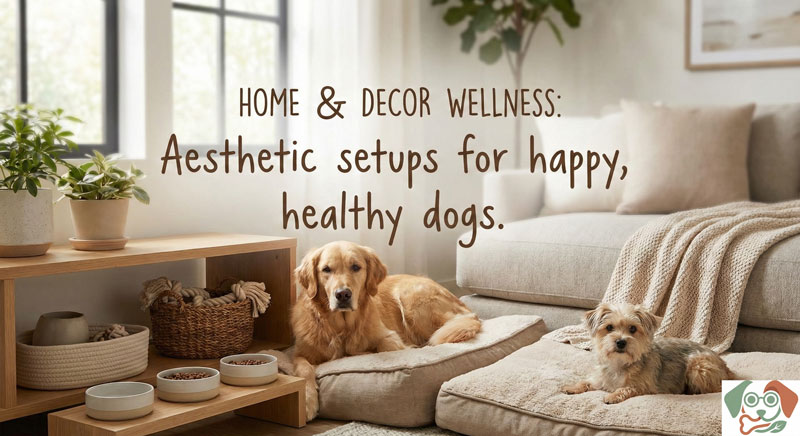
Meta description: Create a chic calm corner to reduce overheating in dogs with textures, chews, and quiet routines—practical tips for apartments and homes.
Quick Summary
- A chic calm corner helps your dog stay cool and relaxed.
- Use cozy textures, safe chews, and a steady quiet routine.
- Adapt the setup for apartment living or a suburban home.
- Teach a reward-based routine that keeps heat worry-free.
Why This Matters for Your Dog
Heat stress is common in dogs, even in “not that hot” weather. Overheating can sneak up during walks, car rides, or naps near a sunny window. A focused calm corner gives your dog a reliable, inviting space to cool down and decompress. Texture-rich surfaces feel comfortable on hot paws, and a routine makes cooling part of daily life. This approach is humane, simple to set up, and easy to adjust as your dog grows or seasons change.
Key Factors (Common Causes)
- Direct sun or poor airflow in a room.
- Excess activity during heat, especially after meals.
- Thick fur, brachycephalic breeds, or older dogs who struggle to regulate temperature.
- Inadequate hydration or a lack of a predictable rest routine.
- Overstimulation from noise or quick, high-energy play.
A balanced calm corner addresses these factors: shade and airflow, textures that feel soothing, safe chews for gradual cooling, and quiet routines that give your dog predictable rest times.
Step-by-Step What To Do
1) Create the chic calm corner
– Pick a low-traffic spot that stays cool most of the day. In an apartment, near a window with light shade or next to an air vent can work. In a suburban home, choose a quiet corner away from doors that slam but close enough to family activity.
– Use a crate, a soft bed, or a cushioned mat as the central piece. If your dog loves company, a crate with a comfortable blanket can feel like a den. If your dog prefers open space, a soft bed on the floor works too.
– Add a small side table or a knee-height chair to create a cozy “nest” wall of texture.
2) Layer in textures that soothe
– Textures matter. Add a cooling mat or a breathable memory-foam bed for hot days. Place a soft quilt or fleece blanket over the mat for extra comfort and warmth in cooler evenings.
– Include a couple of non-slip rugs or a plush rug to protect paws on slick floors.
– Use one or two chew-safe toys that are soft or lightly textured. Rotate them every few days so the corner feels new without overexciting your dog.
3) Pick safe chews for calm focus
– Choose chews that are long-lasting and easy on the teeth, such as durable dental chews or thick, properly sized chews recommended for your dog’s age and size.
– Avoid rawhide in many dogs’ diets, and supervise any chew session. Cut larger chews into manageable pieces if needed.
– Keep chews to a set portion to Prevent overindulgence, which can raise body heat during digestion.
4) Build a quiet routine around the corner
– Set a daily schedule: a morning break after a short walk or play, a mid-morning rest, an afternoon quiet period, and an evening wind-down.
– Teach a simple cue like “chill” or “corner” to invite your dog to the calm spot. Use gentle praise and a small treat when your dog settles there.
– Keep the environment calm during these times: low lights, soft music or white noise if helpful, and minimal sudden noises.
– Include cooling-down breaks after energetic activities, long meals, or outdoor play.
5) Train with humane, reward-based steps
– Start with short sessions. Ask your dog to stay in the corner for 15–20 seconds, then gradually extend as your dog relaxes.
– Reward calm behavior with a treat, praise, or a favorite toy. The goal is to reinforce the sense that the calm corner is a safe, positive space.
– If your dog gets up or becomes restless, calmly guide them back and try again after a brief pause.
6) Keep it adaptable to your home
– Apartment setup: keep the corner near where the family spends time, but away from direct sun. Ensure the space remains well-ventilated and easily reachable for quick drinks.
– Suburban home: you can place the corner in a living room or a sunlit room with a fan or AC; a doorway barrier can help limit noise while preserving access to humans.
7) Daily use and checks
– Refresh textures weekly to maintain interest. Wash blankets and clean the mat as needed.
– Hydration matters. Provide fresh water nearby, ideally at the corner. A shallow dish or a water bottle in reach helps prevent dehydration during heat.
– Observe body signs: panting, drooling, droopy ears, or seeking shade are cues to move to cooler areas and potentially shorten play.
8) Vet-friendly safety reminders
– This guide is for general well-being and comfort. It is not medical advice. If overheating symptoms appear (excessive panting, bright red gums, vomiting, confusion, collapse), contact a vet promptly.
Mistakes to Avoid
- Placing the corner in direct sun or a stuffy room. Always ensure shade and airflow.
- Forcing your dog to stay in the corner when they clearly want to move. Use gentle guidance and praise.
- Overloading on new textures or chews at once. Introduce one or two items at a time to avoid overstimulation.
- Skipping hydration or not adjusting the routine during heat waves, extreme humidity, or after heavy exercise.
- Relying on a single method; combine textures, chews, and a consistent quiet routine for best results.
- Using punishment or scolding to enforce rest. Reward-based training builds trust and success.
When to Call a Vet or Certified Professional
- If your dog shows signs of overheating: heavy or rapid panting, bright red or dark gums, dizziness, confusion, vomiting, or fainting.
- If you notice persistent lethargy, loss of appetite, or unusual behavior after hot days or exercise.
- If your dog has chronic heat intolerance, is very old, very young, or has a medical condition.
- Vet disclaimer: This is not a diagnosis or medical treatment. A licensed vet can evaluate hydration status, heart rate, and any underlying issues, and advise appropriate steps.
FAQs
- Can this help my dog with anxiety? Yes. A predictable quiet corner can reduce stress by creating a safe space, especially when paired with gentle training and positive reinforcement.
- Do brachycephalic or senior dogs need extra care? Absolutely. Short-nosed breeds and seniors often feel heat more quickly. Provide easy access to shade, water, and cooler surfaces. Use shorter sessions and increased rest periods.
- How long should my dog stay in the calm corner? Start with brief rests (5–10 minutes) and extend as your dog grows more comfortable. Always tailor to your dog’s needs and energy level.
- Can I use a crate for this? A crate can work well as the corner, especially for dogs who like den-like spaces. Ensure good ventilation and a comfortable bed, and never leave a crate in an overly hot area.
- What about fans, a cooling mat, or air conditioning? All are helpful. Use a fan for air circulation, a cooling mat for surface cooling, and AC or shade for temperature control. Combine them for best results.
- How do I introduce changes gradually? Add one new texture, one new chew, or one quiet routine at a time. Praise calm behavior and give gentle rewards as your dog adapts.
Conclusion
The chic calm corner is a practical, beginner-friendly way to help your dog stay cool and relaxed. By layering textures, safe chews, and a steady quiet routine, you create a dependable space that respects your dog’s needs and your home layout. Whether you live in a small apartment or a spacious suburb, a well-planned corner can boost comfort, reduce overheating risk, and support happier, calmer daily life for you and your dog. Regular check-ins, gentle training, and smart hydration are simple steps that make a big difference.