
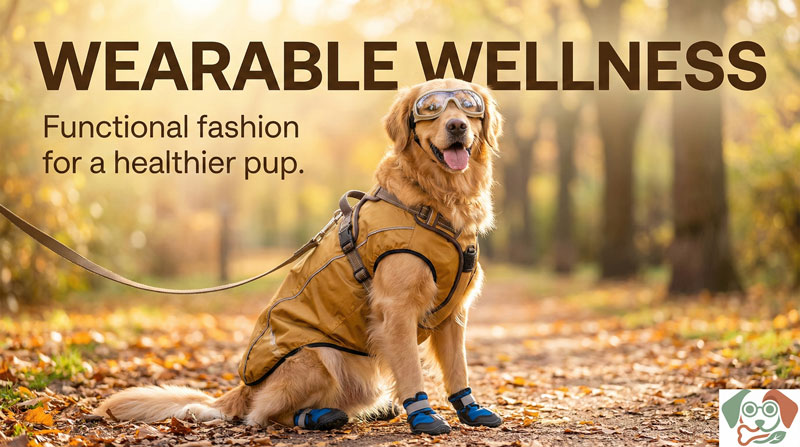
Meta description: A practical guide on cooling vests, obesity risk, and safety for dogs at fall festivals.
Quick Summary
- Cooling vests help with heat and comfort, not with preventing obesity.
- Fall crowds can stress dogs and tempt extra treats. Plan exercise, portions, and breaks.
- Use humane, reward-based training to handle crowds. Prep at home first, then gradual exposure.
Why This Matters for Your Dog
Fall festivals bring crowds, scents, and plenty of treats. A cooling vest can help your dog stay comfy in warm moments, but it isn’t a magic fix for Weight Gain. Obesity comes from longer-term energy balance—food portions, treats, and activity levels. Pair a cooling vest with steady routines, good hydration, and regular vet checks to keep your dog both comfortable and healthy during busy weekends.
Key Factors
- Obesity risk: Overfeeding, large treats, inconsistent meals, and too little daily activity can tip the scale. Age and breed also influence weight.
- Heat and crowds: Festivals mean sun, pavement, and many people. Overheating and stress can hit pets hard.
- Cooling vests: They help with body temperature on hot days or during active play, but they don’t substitute proper diet or consistent exercise.
- Training and safety: Short, reward-based sessions help dogs tolerate crowds. A calm dog is safer and happier in busy areas.
Step-by-Step What To Do
1) Plan ahead (a few days before)
– Vet check: Ask your vet to confirm your dog’s ideal weight and how to portion meals. Get a quick body condition score so you know if you’re on track.
– Cooling vest fit: Choose a vest that fits snugly but not tight. Try it on at home first for 10–20 minutes, then gradually lengthen wear time.
– Feeding plan: Use a consistent daily schedule. If you’re unsure about portions, follow your vet’s guidance or the dog food’s feeding chart, adjusted to your dog’s weight.
– Hydration and gear: Pack a collapsible bowl, water, and a portable shade or towel. Bring a leash, harness, and a well-fit collar.
2) At home: apartment vs. suburban routines
– Apartment: Short, frequent walks (3–4 times daily), puzzle feeders for mental stimulation, 10–15 minute training sessions with treats. Use the cooling vest during hotter parts of the day, but monitor for signs of cooling too fast or discomfort.
– Suburban home with yard: Combine leash walks with quick yard breaks. Offer enrichment toys and timed treats to avoid grazing all day. Keep the vest handy for sunny festival days but remove for rest in shade.
3) Before entering the festival area
– Warm-up and rest: Short walk, then a quiet period in a crate or quiet corner at the event entrance. This reduces overstimulation.
– Training for crowds: Practice polite leash manners and sit/lie down on cue with rewards. Keep sessions short and fun.
– ID and safety: Ensure ID tags are current. Bring a leash with a secure harness. Have a plan to exit calmly if your dog starts stressing.
4) During the festival
– Leash and pace: Keep your dog on a secure, comfortable leash. Walk slowly, give breaks in shaded spots.
– Hydration and cooling: Offer water often. If using a cooling vest, check that it’s dampened or cooled as intended, and remove if the dog seems uncomfortable.
– Treats and temptations: Use low-value, high-forward treats sparingly. Reward calm behavior and stepping away from crowds when needed.
– Rest time: Schedule short rests in a quiet zone. A crate or portable crate at an event can give safe space.
5) After the event
– Return to routine: Resume regular feeding times and portions. A short walk on the next day helps readjust.
– Weight check: Weigh your dog or do a quick body check to see if weight is staying on track. If you notice gain, adjust portions or increase activity gradually.
– Vet follow-up: If you have concerns about weight, energy, or health after busy weekends, book a quick check-in with your vet.
Mistakes to Avoid
- Relying on a cooling vest as a weight-control tool. It’s for comfort, not weight management.
- Ignoring your dog’s signals of overheating or stress. Take breaks, move to shade, and hydrate.
- Feeding ad hoc treats at festivals. It’s easy to go over daily calories.
- Skipping acclimation. A dog unaccustomed to crowds can become overwhelmed quickly.
When to Call a Vet or Certified Professional
- Signs of overheating: excessive panting, drooling, weakness, confusion, staggering, or vomiting.
- Persistent weight concerns: unexplained weight gain or loss, or a noticeable change in body condition score.
- Behavioral concerns: extreme fear, aggression, or inability to handle routine outings after exposure to crowds.
- General health questions: if you’re unsure about the cooling vest fit or meal portions, a quick consult can help.
Note: This article provides general guidance and is not a substitute for personalized veterinary advice. If you have health concerns about your dog, contact your veterinarian.
FAQs
- Can a cooling vest prevent obesity? No. It helps with temperature and comfort, not energy balance. Use it for heat management, not weight control.
- How do I know if my dog is overweight? A simple check: feel the ribs with light touch; you should be able to feel them with a light layer of fat. Look for a visible waist and a gentle tummy tuck when viewed from above. For a precise assessment, ask your vet about the body condition score.
- How should I manage portions with busy weekends? Keep a stable feeding schedule indoors. If you’ll be away, consider a timed feeder or a trusted caregiver to control portions and avoid extra treats.
- Is crate training useful around crowds? Yes. A crate gives your dog a safe, quiet space during busy events. Use it with positive reinforcement so your dog associates it with calm, happy moments.
- What’s the best way to use training at festivals? Start with short, reward-based sessions at home, then gradually introduce your dog to quieter, shorter festival experiences. Reward calm behavior with praise and small treats, keeping sessions positive and humane.
If you’re a first-time dog parent navigating fall festivals, you can build a simple, calm routine that supports weight health, safety, and enjoyment for your dog. A cooling vest can be a comfort tool, but the core approach stays with consistent meals, regular activity, and gentle, reward-based training.