
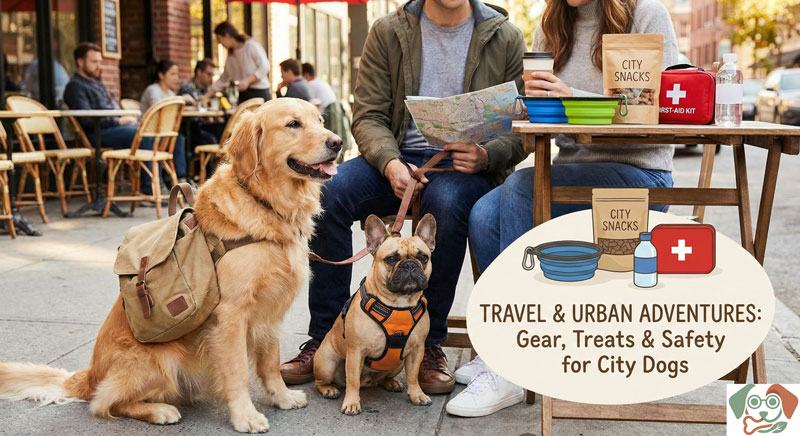
The Chic Transit Kit: Raincoat, Wipes, and Treats for Stiff Hips Management
Meta description: A practical, beginner-friendly guide to a chic transit kit for dogs—raincoat, wipes, and hip-friendly treats to ease stiffness on the go.
Quick Summary
This post helps you build a simple transit kit for your dog—a stylish raincoat, dog-safe wipes, and treats that support hip comfort. It offers practical steps for apartment and suburban living, routines, crate training, vet visits, park outings, and daily care. It emphasizes humane, reward-based methods and clear action steps.
Why This Matters for Your Dog
Hip stiffness is common as dogs age or with certain breeds. Subtle signs like slower stairs, reluctance to jump, or taking longer to rise can point to arthritis or hip dysplasia. A practical transit kit keeps your dog comfy on the go, supports joint-friendly routines, and makes rainy days easier. Small daily habits add up: warm-ups before walks, gentle movement, clean paws, and timely vet checks all help your dog stay happy and active.
Common Causes (Key Factors)
- Aging joints and arthritis
- Hip dysplasia or genetic predispositions
- Weight gain or obesity increasing joint stress
- Sudden changes in activity or overexertion
- Cold, wet weather causing stiff muscles
Early signs to watch for: stiffness after rest, limp or favoring a leg, reluctance to climb stairs, slower sprints at the park, or shrinking playtime.
Step-by-Step What To Do
1) Build the transit kit
– Raincoat: Choose a lightweight, adjustable coat that covers chest and back. Ensure a secure fit with a Velcro or zipper closure and a leash slit if needed.
– Wipes: Pick dog-safe, unscented wipes for paws, fur, and underbelly. Look for mild formulas without alcohol.
– Treats: Select soft, easily chewed treats that your dog loves and that fit your vet’s guidance for joints (no hard dosage rules here—just check labels and talk to your vet about appropriate options).
– Optional add-ons: a collapsible water bowl, a small towel, and a portable poop bag kit for quick cleanups.
2) Dress rehearsal at home
– Introduce the raincoat slowly in a friendly, rewards-based way. Let your dog sniff, offer praise, and give a small treat. Practice for short windows (5–10 minutes) and gradually extend.
– Practice wearing the coat during calm, indoor moments before outdoor use.
3) Tailor routines for apartment vs. suburban homes
– Apartment: Short, brisk walks with a few minutes of sniffing time to satisfy curiosity. Add indoor enrichment like a low-impact toy jog or a short fetch game in a safe space.
– Suburban: Plan two to three short walks daily. Include a warm-up period of 3–5 minutes of slow walking or gentle circles before brisk walking. Use the transit kit when rain hits or when you drive to the park.
4) Cleanliness and comfort after wet days
– After a rain walk, use wipes to clean paws and fur. Check for debris between toes. Dry the coat and fur if damp; a quick towel dry helps prevent chill and stiffness.
5) Gentle mobility and warm-up
– Before longer outings, do light, dog-friendly movements: easy sit-to-stand, gentle heel-walking, and short circles to loosen hips. Reward consistently with praise and a treat.
– If your vet has recommended specific movement routines, incorporate them as directed.
6) Car rides and crate setup
– If you transport in a car, use a secure crate or dog seat belt harness. A ramp or step stool helps your dog enter and exit safely, reducing strain.
– In a crate, provide a comfy bed, a calm corner, and a familiar toy to ease transitions, especially on travel days.
7) Dog parks and social time
– Choose shaded, safe parks and observe ground conditions. Keep a gentle pace, avoid rough games, and ensure a relaxed return home.
– After park time, use wipes on paws and check for burrs, sticks, or mud that could irritate joints.
8) Vet visits and routine care
– Schedule regular check-ins with your veterinarian, especially if stiffness or gait changes appear. Bring notes on changes in activity, appetite, weight, or medication responses.
– Discuss weight management, joint-supportive foods or treats, and any supplements the vet recommends. Do not change meds or dosages on your own.
9) Crate training and daily rhythm
– Crate training supports safety and rest. Use positive reinforcement, keep the crate inviting, and integrate crate time into the daily routine so rest becomes a normal part of life.
Important safety note: This guide does not replace veterinary advice. If your dog shows persistent pain, swelling, or a sudden lameness, contact a veterinarian promptly. This information is for general care and training ideas.
Mistakes to Avoid
- Ignoring early signs of discomfort or pain
- Overexerting a stiff dog on cold or rainy days
- Skipping warm-ups before walks or play
- Forcing the raincoat on without gradual introduction
- Using harsh corrections during movement or training
- Giving human products or unverified supplements
- Neglecting regular vet check-ins or weight management
When to Call a Vet or Certified Professional
- Persistent limping or swelling lasting more than 2–3 days
- Severe pain, reluctance to move, or visible signs of distress
- Sudden changes in gait, appetite, or energy
- Severe stiffness after rest that doesn’t improve with gentle movement
- Your dog has a history of hip issues and you notice new symptoms
A brief vet disclaimer: If you’re worried about stiffness or pain, a professional exam is the best next step. Your vet can guide diagnosis, dietary plans, exercise routines, and any joint-support options appropriate for your dog.
FAQs
-
Do raincoats really help my dog with hip stiffness?
They help keep your dog comfortable during wet days, which reduces chilling and stiffness from damp weather. The coat itself won’t fix hips, but staying warm and dry supports daily comfort and movement. -
Are wipes safe for dogs?
Use dog-safe wipes with mild formulas and no strong fragrances. Avoid eyes, nose, and mouth, and check the product label for any ingredients your dog might be sensitive to. -
Can I use human products on my dog?
Human wipes or lotions can irritate a dog’s skin. Use products labeled for dogs and follow the label directions. -
How long will it take to see improvement in stiffness?
Results vary by dog, age, breed, and overall health. Consistent daily routines, appropriate movement, weight management, and veterinary guidance typically yield gradual improvements over weeks to months. -
How do I start crate training for a nervous or stiff dog?
Start with a comfortable crate, place treats near the entrance, and gradually reward entering the crate. Keep sessions short and positive. Use a cue word to signal calm rest and provide a cozy bed. -
How often should I visit the vet for hip concerns?
Regular check-ins are best, especially as dogs age or if symptoms progress. Your vet can determine a timetable for exams and any diagnostics needed.
A Final Note
Your chic transit kit is more than gear; it’s a daily habit that supports comfort, safety, and confidence for you and your dog. With thoughtful preparation, gentle routines, and kind, reward-based training, your dog can stay active and happy—whether you’re navigating a city apartment, a suburban porch, or a park-filled weekend. Keep things simple, celebrate small wins, and lean on your vet for guidance tailored to your dog’s unique needs.